
How Animal Hospitals Provide Dental Care For Pets
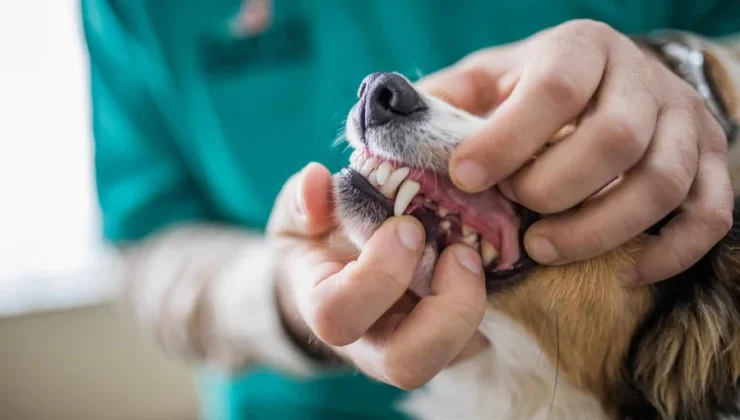
Caring for your pet’s teeth is as important as any other health check. You ensure their well-being. A veterinarian in central Fontana knows that dental care prevents pain, infections, and other serious issues. Pets, like humans, face dental problems. These become more severe if ignored. Common issues include plaque, gingivitis, and broken teeth. Visiting your veterinarian ensures these problems are addressed early. Dental exams, cleanings, and treatments form the core of your pet’s dental care. During a visit, the vet checks for signs of decay or disease. X-rays often reveal hidden concerns. The vet then cleans your pet’s teeth, removing harmful plaque. This routine care is essential for their comfort and health. You also learn how to maintain their dental hygiene at home. Regular vet visits keep your pet happy and healthy. Your compassion for their well-being shows in every decision you make. You ensure they live a pain-free life.
Understanding Pet Dental Diseases
Dental diseases in pets often start with plaque buildup. This evolves into tartar and leads to gingivitis. If untreated, it causes periodontal disease, affecting gums and bones. Broken or fractured teeth are common in active pets. These issues cause pain and infection if not treated. Recognizing signs like bad breath, difficulty eating, or swollen gums is crucial. Your awareness helps prevent these problems from escalating. You protect your pet’s health by staying informed.
Key Procedures in Pet Dental Care
Animal hospitals offer a range of dental services. These include examinations, cleanings, and sometimes more extensive procedures. Initially, pets receive a thorough examination. This often includes X-rays to detect hidden issues. The cleaning process removes plaque and tartar buildup. In some cases, extractions are necessary for damaged teeth. Each step is carefully performed to minimize stress and ensure safety.
| Procedure | Description |
|---|---|
| Examination | Checks for plaque, tartar, and gum health. X-rays may be taken to view hidden areas. |
| Cleaning | Removes plaque and tartar under anesthesia to ensure thoroughness and safety. |
| Extraction | Removes damaged or diseased teeth to prevent further health issues. |
Why Routine Dental Care Matters
Routine dental care offers significant benefits. It prevents diseases that cause pain and discomfort. Regular check-ups ensure problems are caught early. This approach reduces the need for extensive procedures. Your pet enjoys improved overall health. Clean teeth also contribute to better breath and a happier, more comfortable life.
At-Home Dental Care Tips
You play a vital role in maintaining your pet’s dental health. Brushing your pet’s teeth regularly is effective. Special toothbrushes and toothpaste designed for pets make the task easier. Dental treats and toys also help reduce plaque. Always choose products recommended by professionals. Consistency in these practices leads to healthier teeth and gums.
Learn more about preventive dental care for pets at the American Veterinary Medical Association. Their guidelines offer reliable advice to keep your pet’s mouth healthy.
Choosing the Right Animal Hospital
When selecting an animal hospital, consider their expertise in dental care. Look for facilities with experienced staff and modern equipment. A supportive environment ensures your pet remains calm and safe. Your choice impacts your pet’s comfort and the effectiveness of care.
Conclusion
Dental health is essential for your pet’s overall well-being. Regular visits to the veterinarian address potential issues before they become serious. You learn valuable at-home care techniques for ongoing maintenance. This commitment results in a happier, healthier pet. By prioritizing their dental health, you show your love and responsibility as a pet owner.