
How Animal Hospitals Provide Safe Anesthesia And Monitoring
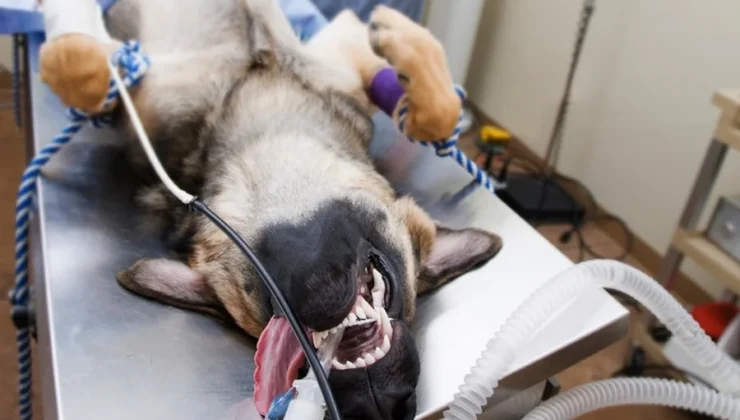
When your pet needs surgery, you feel a hard mix of fear and doubt. You wonder if the anesthesia is safe. You question who is watching your pet every second. You want clear answers, not guesses. Animal hospitals use strict steps to keep pets safe before, during, and after anesthesia. They check health history. They run tests. They choose the right drugs and doses for each pet. Then they watch heart rate, breathing, blood pressure, and temperature without pause. Trained staff stay at the patient’s side from start to finish. Care does not stop when the surgery ends. Care continues through recovery until your pet can stand, eat, and respond. This blog explains how hospitals protect your pet during anesthesia so you can walk in with less fear and more trust in your Royal Palm Veterinarian.
Step 1: Careful Planning Before Anesthesia
Safe anesthesia starts long before your pet reaches the surgery room. You help by sharing honest details. The team helps by asking clear questions.
- Current medicines and supplements
- Past surgeries or reactions
- Heart, lung, or kidney disease
- Seizures or fainting
- Recent vomiting, diarrhea, or coughing
Next, the team performs a full exam. They listen to the heart. They check gums. They feel the belly. Then they order lab tests when needed. That often includes blood work to check red cells, white cells, platelets, liver values, and kidney values.
Step 2: Choosing The Right Anesthetic Plan
After the exam and tests, the team builds a plan for your pet. It is not one size fits all. Age, breed, weight, and health history all matter.
The plan often includes three parts.
- Pre-anesthetic drugs to calm and reduce pain
- Drugs to start sleeping through a vein
- Gas anesthesia with oxygen to keep sleep steady
The team also places an IV catheter. That line allows fast access for fluids and emergency drugs if needed. Oxygen support is set up in advance. The team checks equipment before each case. They confirm that tubes, masks, and breathing hoses fit your pet’s size.
Step 3: Continuous Monitoring During Surgery
Once your pet is asleep, close watching starts. A trained nurse or technician stays at the table. A veterinarian leads the medical choices. Together, they track numbers and body signs from start to finish.
Common Monitoring During Pet Anesthesia
| What They Monitor | What It Shows | How Often They Check |
|---|---|---|
| Heart rate and rhythm | Heart strength and warning signs of stress | Every few minutes and on screen |
| Breathing rate and depth | How well your pet moves air | Constant watching |
| Blood pressure | Blood flow to brain, heart, and kidneys | Every few minutes |
| Oxygen level | How much oxygen is in the blood | Continuous digital reading |
| Body temperature | Risk of getting too cold or too hot | Regular checks and on screen when possible |
The team also watches gum color, jaw tone, and reflexes. Those simple signs show how deep the sleep is. If any value drifts, they act. They adjust the gas level. They give fluids. They change your pet’s position. They call for more help if something feels wrong.
The American Veterinary Medical Association explains the value of this close watching in its guide on your pet’s anesthesia.
Step 4: Keeping Your Pet Warm And Comfortable
Pets lose heat fast under anesthesia. Cold bodies recover more slowly. Cold also affects the heart and immune system. To prevent that, the team uses warmers.
- Warm air blankets
- Warm water pads with covers
- Warmed IV fluids when needed
The team also protects the eyes with ointment. They pad bony spots. They place your pet in safe positions. They support the neck and back. These small steps reduce soreness and stress when your pet wakes up.
Step 5: Pain Control Before, During, And After
Pain control is not an extra. It is part of safe anesthesia. Pain causes a fast heart rate, high blood pressure, and slow healing.
Your pet may receive
- Pain shots before surgery
- Local blocks near the surgery site
- Constant pain infusions during surgery
- Oral pain medicine for home
Good pain control keeps your pet calmer when waking. It also reduces the chance of biting, thrashing, or ripping stitches from fear.
Step 6: Careful Recovery And Discharge
The risk does not end when the last stitch is placed. Recovery is a fragile time. Your pet moves from deep sleep to light sleep to full wakefulness. During this time, the team continues to watch breathing, color, and comfort.
A staff member stays near until your pet can
- Swallow well
- Hold up the head
- Move without falling
Only then do they prepare for discharge. You receive clear, written, and spoken instructions. Those include feeding rules, activity limits, pain medicine schedules, and signs that need an urgent call.
How You Can Help Keep Anesthesia Safe
You share in this safety work. Your choices matter.
- Follow fasting directions exactly
- Give regular medicines only as instructed
- Bring all pill bottles to the visit
- Tell the team about any new cough, limp, or change in behavior
- Keep your pet calm and quiet after surgery
If you feel unsure, ask. Ask who will watch your pet. Ask what monitors they use. Ask about pain control. Honest questions show that you care. Strong teams respect that and give straight answers.
Facing Surgery With Less Fear
Anesthesia will always bring concern. You care deeply. That concern shows love. Yet you do not need to feel helpless. You now know that animal hospitals use clear steps. They plan. They monitor. They protect. They stay at your pet’s side until the job is truly done.
With that knowledge, you can stand in the waiting room with more calm. You can trust the process. You can walk out with your pet in your arms and feel that you made a hard choice with clear eyes and steady courage.