
How Clear Aligners Support Better Oral Hygiene Habits
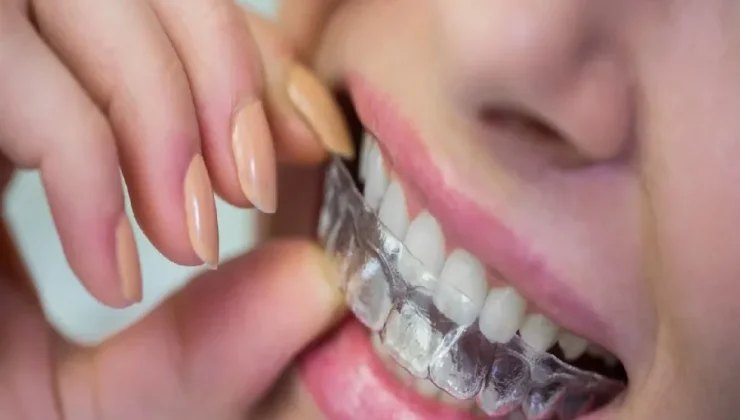
Crooked teeth do more than change your smile. They trap food, collect plaque, and make brushing and flossing feel impossible. You may scrub and floss every night and still feel unsure. Traditional braces can help your bite. However they also create new corners where germs hide. Clear aligners change that pattern. The smooth, removable trays give you room to clean every tooth and reach your gums without struggle. You can brush, floss, and rinse the way you already know. You can also see what you are doing. That builds steady habits you can keep for life. If you use clear aligners in Villa Rica, GA, you gain more than straighter teeth. You gain a simple routine that protects your mouth from decay, bleeding gums, and bad breath. This guide explains how clear aligners support cleaner teeth, stronger gums, and better daily habits.
Why straighter teeth stay cleaner
Teeth that crowd or twist create tight spots where your brush cannot reach. Food sits. Plaque grows. Gums swell and bleed. The Centers for Disease Control and Prevention explains that plaque and poor brushing raise your risk for cavities and gum disease.
Clear aligners move teeth into a line that is easier to clean. You gain three clear benefits.
- Fewer trapped food particles between teeth
- Smoother paths for toothbrush bristles and floss
- More even contact between teeth, so you chew and clean better
When teeth line up, plaque has fewer hiding places. You spend less time fighting buildup and more time keeping a steady routine.
How removable trays support daily brushing and flossing
Fixed braces stay on your teeth all day and all night. Wires and brackets block your floss. They also need extra tools and extra time. Many people feel tired and skip steps. Over time, that pattern harms gums and enamel.
Clear aligners come out before you eat or clean your teeth. That single step changes your routine.
- You brush every surface of every tooth
- You floss between teeth from top to bottom
- You can use simple tools you already know
You spend your energy on cleaning your teeth instead of working around metal parts. That reduces frustration. It also makes you more likely to keep brushing twice a day and flossing once a day. The National Institute of Dental and Craniofacial Research explains that these habits lower the risk of gum disease and tooth loss.
Cleaner teeth with clear aligners vs traditional braces
The table below shows simple differences in daily care with clear aligners and traditional braces. It focuses on cleaning and habit building, not on treatment results.
| Topic | Clear aligners | Traditional braces
|
|---|---|---|
| Brushing access | Full access to all tooth surfaces after removing trays | Limited access around brackets and under wires |
| Flossing routine | Standard flossing between teeth | Need threaders or special tools |
| Risk of trapped food | Lower when trays are removed before eating, and teeth are cleaned | Higher around brackets and under wires after meals |
| Cleaning time | Shorter routine for most people | Longer routine to reach around hardware |
| Ease for children and teens | Familiar brushing and flossing steps | New tools and motions to learn |
| Motivation to keep habits | Higher because the routine feels simple | Lower for some due to effort and frustration |
Healthy habits that aligners can strengthen
Clear aligners work only when you follow a routine. That same structure can support stronger hygiene habits for you and your family. Three daily patterns matter most.
1. Brushing with care
You remove the trays. You brush in the morning and at night. You reach every tooth along the gumline. You brush the aligners with a soft brush and cool water. Then you place them back on clean teeth. The cycle repeats every day. Over time, this rhythm turns into a firm habit.
2. Flossing every day
With aligners, you can slide floss gently between teeth. You do not need to thread under wires. That makes it easier to keep a daily flossing rule for children, teens, and adults. Less bleeding and less soreness can also reduce fear and help people stick with the routine.
3. Rinsing and watching what you drink
You take aligners out when you drink anything except water. You rinse your mouth before you place them back. This step keeps sugar and acid off your teeth and out of the trays. It also makes you more aware of how often you sip sweet drinks during the day.
Keeping aligners clean to protect your mouth
Aligners sit close to your teeth for many hours. If they stay dirty, they hold germs against your enamel and gums. A simple cleaning plan can protect you.
- Rinse aligners with cool water whenever you remove them
- Brush trays gently with a soft brush once or twice a day
- Avoid hot water that can change the tray shape
- Store trays in a clean case when they are not in your mouth
This routine keeps trays clear. It also prevents odor and staining. Children can help with these steps and learn responsibility for their own care.
Supporting children and teens with aligners
Families often worry that children will forget to wear or clean aligners. Clear rules and simple tools can help.
- Set phone alarms for brushing and tray changes
- Use a chart on the fridge to track wear time and cleaning
- Keep a travel case and small brush in school bags
Each small success builds confidence. Children learn that their choices protect their health. That lesson can last long after treatment ends.
When to talk with a dental professional
Clear aligners are not right for every mouth. Some bite problems need other care. You should talk with a dentist or orthodontist if you notice any of the signs below.
- Teeth that overlap or twist
- Jaw pain when chewing
- Frequent mouth cuts from biting cheeks or tongue
- Gums that bleed even with steady brushing and flossing
A professional exam can show if clear aligners fit your needs. You can also ask for help with brushing and flossing methods that match your mouth and your family routine.
Clear aligners as a path to lasting habits
Clear aligners straighten teeth. They also invite you to clean your mouth with care every day. You remove the trays. You brush. You floss. You rinse. You place the trays on clean teeth. Over months, this pattern can turn into a steady habit that protects you long after treatment ends.
When you choose treatment that supports your daily routine, you protect more than your smile. You protect your comfort, your confidence, and your long-term health.