
How Forestry Mulching Help To Manage Invasive Plant Species?
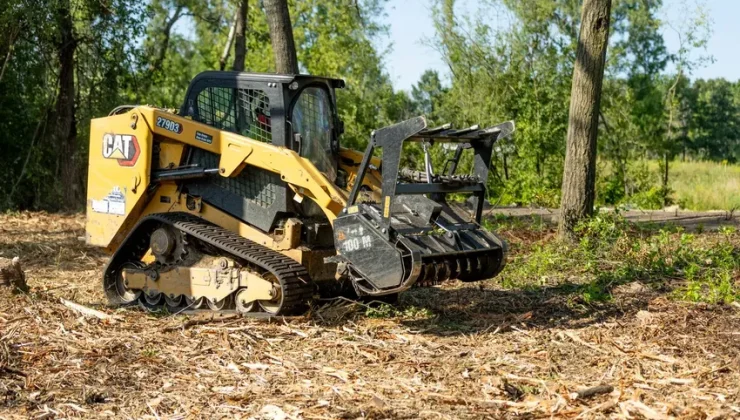
Invasive plant species is among the greatest challenges that land managers, farmers, property owners and developers often face. It is because these aggressive plants can quickly multiply on a property displacing natural plants and vegetation and in result making it hard for property owners to manage the land. Unattended, invasive species will absorb extensive territory, harm ecosystems, and drive up costs of maintenance.
Luckily, forestry mulching has been one of the best ways of curbing invasive vegetation. This new method of land management employed by professionals like GPH Grading Company not only eliminates undesired vegetation, but also assists in returning balance in the landscape. The forestry mulching provides an effective, long-term solution to landowners who want to ensure their land is healthy and productive by eliminating invasive species and reducing the amount of disturbance on the land.
Eliminates Thickly-Grown Vegetation:
The effectiveness of forestry mulching is one of the greatest benefits since it is effective in eliminating huge masses of invader vegetation. Specialized mulching machines have the power to cut even tough brush, small trees, vines and overgrown plant growth that might prove hard to control with other conventional means. The machines cut off the undesired vegetation into mulch, clearing up the area without use of multiple machines or lots of manual effort. This enables property owners to repossess overgrown land in a quicker and improved way.
Helps to Prevent any More Spread of Invasives:
Most invasive plants spread through the production of seeds or underground roots. When these plants are not treated, they may grow up to other sections of the property. Forestry mulching is beneficial in breaking this cycle of growth to destroy the mature vegetation before it can spread any more. By eliminating invasive plants at the early stages, future infestations are prevented as well as the cost of warring them decreases in the long run.
Minimizes Soil Disturbance:
Conventional land clearing practices usually can incorporate substantial excavation or disturbance of the ground. Although these methods eliminate vegetation, they have a tendency of excavating soil and creating some of the best conditions to have invasive species re-introduced.
Mulching in forests also reduces the disturbance of the soil since the vegetation is processed on the ground. Root systems of the desirable plants and natural makeup of the soil are usually left untouched and they contribute to the recovery of the lands in a healthy manner.
Forms A Shield Covering Of Mulch:
When vegetation is cut during forestry mulching, it is turned into a layer of organic mulch which will be left on the property. This mulch has various advantages which endorse invasive plant control. The mulch aids in restraining the growth of weeds since they receive insufficient sunlight for the seeds. It is also used to retain moisture and enhance the health of the soil, provide favorable conditions upon which favorable vegetation will grow.
Promotes Native Vegetation:
However, invasive species tend to take over the areas by outcompeting indigenous vegetation. When such aggressive vegetation is eliminated, then more chance is given to recovering and growing of native vegetation. Forestry mulching involves a more balanced environment that allows the native grasses, shrubs as well as trees to re-establish. Well established native vegetations are usually more resistant to the future invasive species issues.
Lessens The Use Of Chemical Treatments:
Invasive species are commonly controlled by the use of herbicides, although some property owners opt to reduce the use of chemicals where feasible. Forestry mulching provides a physical method, which can hugely decrease the chemical applications used extensively. Although certain cases might still warrant specific treatments, forestry mulching could be a good initial measure in controlling invasive vegetation by physical elimination.