
How General Dentistry Offers Solutions For Sensitive Teeth
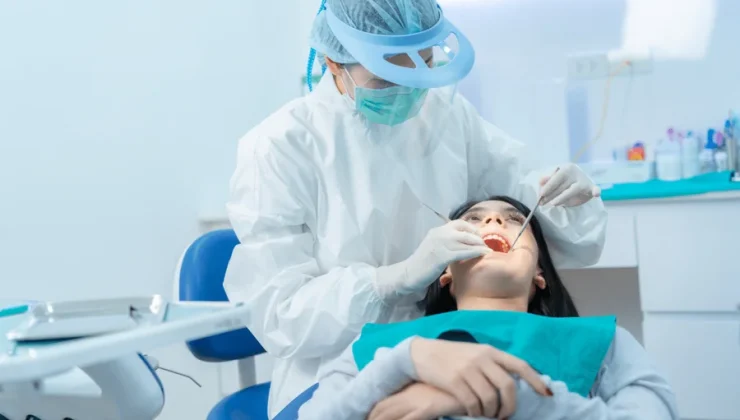
Sensitive teeth can turn simple moments into sharp reminders of pain. A cold drink, a warm meal, or even a deep breath in winter air can hit like a shock. You might start to avoid certain foods or smile less. You may also feel alone or unsure about what is happening. General dentistry offers clear, practical answers. A dentist can find the cause, ease the pain, and help you protect your teeth. A dentist in Bloomfield Hills can check for worn enamel, gum loss, tooth grinding, or hidden decay. Then you get a plan that fits your daily life. You learn what triggers to avoid, which products help, and which treatments give lasting relief. With steady care, you can eat, drink, and smile with less fear and more control.
What “Sensitive Teeth” Really Means
Tooth sensitivity is sudden pain when something touches a tooth. The pain often comes from:
- Cold food or drinks
- Hot food or drinks
- Sweet or sour food
- Brushing or flossing
- Even air on your teeth
Healthy enamel covers and shields the inner part of your tooth. When enamel wears away or gums pull back, the inner layer is exposed. Then everyday contact reaches the nerves. The result is a sharp sting that can feel unfair and draining.
Common Causes Your Dentist Checks First
A general dentist looks for clear causes. Three of the most common are:
- Enamel wear. Hard brushing, acidic drinks, or grinding can thin the enamel.
- Gum recession. Gums pull away and reveal the root surface.
- Tooth damage. Cracks, fractures, or untreated decay open a path to the nerve.
The dentist also checks for large fillings, old crowns, or whitening habits that may irritate your teeth. This exam is careful and structured. You get straight answers, not guesswork.
At Home vs In Office Solutions
You can try some steps at home. Yet many people need both home care and dentist care. The table below shows how they compare.
| Option | What It Does | Best For
|
|---|---|---|
| Desensitizing toothpaste | Blocks pain signals from the surface of the tooth | Mild, widespread sensitivity |
| Fluoride toothpaste or rinse | Strengthens enamel and root surfaces | Early enamel wear and kids or teens |
| Soft brush and gentle brushing | Prevents further wear and gum loss | People who brush hard or use stiff brushes |
| Office fluoride treatment | High strength fluoride to harden weak spots | Moderate sensitivity in several teeth |
| Bonding or sealant on roots | Covers exposed root and blocks triggers | Receding gums and exposed roots |
| Crown, filling, or onlay | Repairs cracked or worn teeth | One or two teeth with deep damage |
| Night guard for grinding | Protects teeth from clenching and grinding | People who grind during sleep or stress |
How General Dentistry Diagnoses the Cause
Your visit usually includes three steps.
First, you share what you feel. You describe when the pain starts, how long it lasts, and what sets it off. You also share your daily habits. This includes brushing, diet, and stress.
Second, the dentist does a full exam. The dentist uses air, cold, and gentle pressure to test each tooth. The dentist checks your gums, bite, and jaw. X rays may show hidden decay, cracks, or bone loss. The National Institute of Dental and Craniofacial Research explains how decay starts and why early care matters.
Third, you get a clear cause and a step by step plan. You know what to change at home and what treatment the office will provide.
Treatment Options Your Dentist May Suggest
A general dentist can use several tools to calm sensitive teeth.
- Fluoride varnish. A quick coating on the tooth that helps harden weak enamel.
- Desensitizing agents. Gels or pastes that seal the tiny tubes inside the tooth.
- Bonding. Tooth colored material that covers exposed root or worn edges.
- Fillings or crowns. These fix cracks or deep decay that cause sudden pain.
- Gum treatment. Cleaning and gum care to slow or stop gum loss.
- Night guards. A custom guard that shields teeth from clenching.
The dentist chooses the least intense option that still works. The goal is simple. Stop the pain and protect the tooth for the long term.
Daily Habits That Protect Sensitive Teeth
Your daily choices keep treatment working. Three habits matter most.
- Gentle brushing. Use a soft brush. Use short strokes. Do not scrub. Brush for two minutes twice a day.
- Smart food choices. Limit soda, energy drinks, and sour candy. Rinse with water after acidic food.
- Regular checkups. Cleanings and exams catch small problems early.
The Centers for Disease Control and Prevention shows that regular dental visits help lower tooth loss and pain. You lower stress, cost, and fear when you stay ahead of problems.
When Sensitivity Is an Emergency
Some pain means you need fast help. Call your dentist right away if you notice:
- Pain that throbs or keeps you awake
- Swelling in your face or gums
- Fever or a bad taste in your mouth
- Pain after a hit to the mouth
These signs can mean infection or a deep crack. Quick care can save the tooth and protect your health.
Taking Back Your Everyday Life
Tooth sensitivity can wear you down. It can change what you eat, how you talk, and how you smile. You do not need to wait or hope it fades. A general dentist can find the cause and guide you through simple steps that work.
With a clear plan, steady checkups, and a few new habits, you can cut the stings and shocks. You can sit with your family, share a meal, and drink something cold without bracing for pain. You deserve that kind of steady comfort.