
How Implant Dentistry Can Be Completed In Stages For Comfort
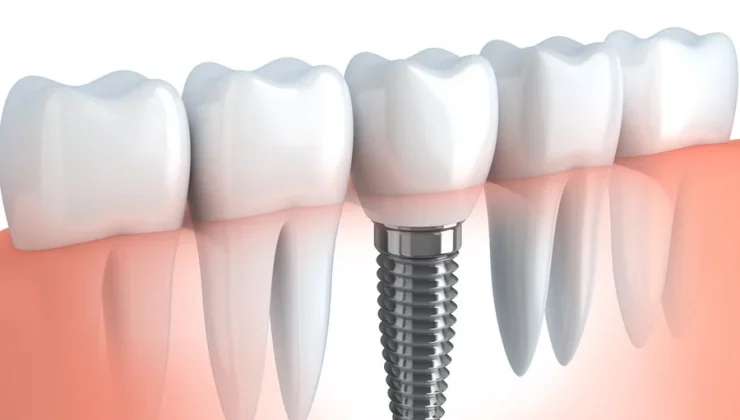
Dental implant treatment can feel scary when you think it all happens at once. You might worry about pain, long visits, or feeling judged for waiting. This is why doing treatment in clear stages can protect your comfort and your peace of mind. You take each step at a steady pace. You heal between visits. You stay in control. With staged care, you can ask questions, adjust your plan, and prepare your budget without pressure. This approach also helps you keep working, caring for your family, and living your life while treatment moves forward. If you are missing teeth, or your dentures hurt, staged care for dental implants in Falls Church can give you a quiet and steady path back to eating, speaking, and smiling with less strain. You do not need to rush. You only need a clear plan and a team that respects your limits.
Why implants are often done in stages
Implants replace tooth roots. The post in your jaw supports a crown, bridge, or denture. Your bone needs time to bond to that post. Your gums also need time to shape around the new tooth.
Staged care protects three things.
- Your comfort during and after each visit
- Your healing, so the implant has a strong hold
- Your schedule and money, so you can plan with less fear
You also gain space to think. You can bring family to visits. You can talk through options before any next step.
The main stages of implant treatment
Every person is different. Still, most treatment follows a simple pattern. Each stage has a clear goal.
Stage 1. Evaluation and planning
The first step is a full exam. This often includes
- Medical and dental history
- X rays or 3D scans
- Review of medicines and health limits
You talk about what you want. You also hear what is safe for your body. The dentist checks if you have enough bone for an implant. If bone is thin, you may need a bone graft.
Stage 2. Preparing your mouth
Some people need prep before the implant post goes in.
- Tooth removal if a tooth cannot be saved
- Bone graft to build up thin bone
- Treatment for gum infection
This stage protects the implant. Healthy bone and gums support the post. You heal for weeks or months. You can use a short term denture or partial so you are not left with a gap in front teeth.
Stage 3. Placing the implant post
Next, the dentist places the metal post in the bone. You are numb during this. Some people choose extra calming medicine. The gum is closed over or around the post. You then heal at home.
The bone slowly bonds to the post. This is called osseointegration. Healing time varies. It often takes several months. During this time you still eat, talk, and work. You may follow a softer diet for a short time.
Stage 4. Attaching the abutment
After the bone bonds, a small connector called an abutment is attached to the post. The gum then heals around it. This step shapes the gum so your crown or bridge looks natural.
Stage 5. Placing the final tooth or teeth
Last, the dentist places the crown, bridge, or denture. It attaches to the abutment. Your bite is checked. Your speech is checked. You learn how to clean around the implant.
The American Dental Association MouthHealthy site gives simple pictures and facts about this process.
How staged care compares to “all at once” care
Some ads promise new teeth in a day. That can sound tempting. For some people it works. For many, slower staged care feels safer.
| Topic | Staged implant care | “All at once” style care
|
|---|---|---|
| Comfort during healing | Short visits. Less work in one day. Body has breaks. | Long single visit. More swelling and soreness at once. |
| Healing time | Healing spread out. Bone protected between steps. | Some steps combined. Higher strain on bone at start. |
| Risk control | Chance to catch problems early before next stage. | Fewer checks between steps. Less room to adjust. |
| Budget planning | Costs spread across months. Easier to plan payments. | Large cost in one short window. |
| Family and work schedule | Visits spaced out. Time off work spread across weeks. | More time off in one block for long visits and healing. |
| Emotional strain | Time to process each step. Space to ask questions. | Many choices and changes packed into one day. |
What you can expect to feel at each stage
You may feel sore after surgery days. You may feel pressure, not sharp pain, during work when you are numb. Most people use simple pain medicine for a short time. Cold packs and soft foods help.
You also may feel shame or fear. You might think you waited too long. You might worry what your children or partner think. Hear this clearly. Tooth loss is common. Health changes, injuries, and money limits all play a part. Staged care gives you a way forward that respects your story.
Questions to ask your dentist
Before you start, ask direct questions.
- How many stages do you plan for my case
- How long do you expect each stage to take
- What are my choices for short term teeth during healing
- What can I eat after each step
- How will this fit with my health issues and medicines
- What will this cost at each stage
You deserve honest answers. You also deserve time to decide.
How to care for implants between stages
Good home care protects every step.
- Brush teeth and gums two times a day with a soft brush
- Clean between teeth and around implants each day
- Rinse with a simple salt water mix after surgery if told
- Do not smoke or vape. These slow healing and raise failure risk.
- Keep all follow up visits even if you feel fine
Taking the first step
You do not need to fix everything in one visit. You only need to start a calm plan. Staged implant care lets you move at a pace that matches your body, your money, and your heart. You can protect your comfort. You can guard your dignity. You can reach a steady smile one clear stage at a time.