
How Mini Buses Improve Transport for Schools and Daycare Centres
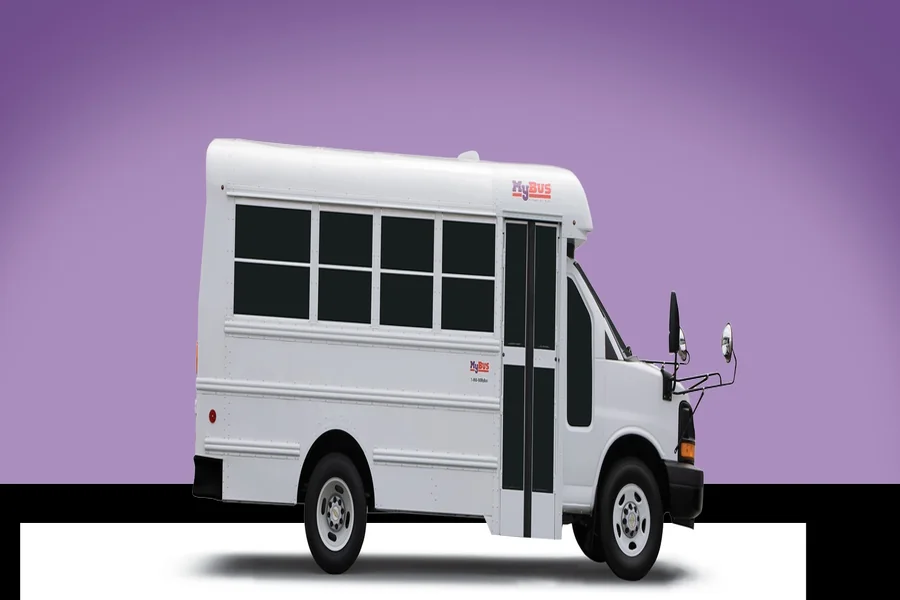
Reliable and safe transportation is a key concern for schools and daycare centres. Whether it’s for daily pick-ups and drop-offs, field trips, or after-school activities, getting children to and from locations efficiently is essential. Mini buses have become an increasingly popular choice for educational institutions of all sizes. Their practical design, size, and flexibility offer a number of benefits that make them ideal for school and childcare transport.
One of the main advantages of using mini buses in school settings is their size. A full-size coach can be excessive for small groups of students, particularly in early education or daycare settings. Mini buses typically seat between 9 and 30 passengers, making them perfectly suited for smaller groups. This helps reduce fuel consumption and operational costs while still providing ample space for children and accompanying staff.
Safety is another key benefit. Modern mini buses are equipped with a range of safety features that support secure travel for young passengers. These can include three-point seat belts, child-friendly step heights, GPS tracking, and speed limiters. Many mini buses used in school transport also have high-visibility markings and additional mirrors, allowing drivers to monitor all passengers more easily. In some cases, vehicles are custom-built to meet specific school safety standards.
Mini buses also offer greater flexibility and maneuverability compared to larger coaches. They can navigate narrow residential streets and tight drop-off zones more easily, which is particularly useful for urban or suburban school locations. This makes it simpler for schools to provide door-to-door service or access smaller venues for excursions and sports events.
Operational efficiency is another reason schools turn to mini buses. They’re easier to manage in terms of maintenance and staffing, and many models can be driven by staff members with the appropriate licence—sometimes without the need for a commercial bus licence, depending on regional regulations. This allows schools and daycare centres to better control their transport schedule without relying entirely on third-party operators.
From a budgeting standpoint, mini buses also provide cost-effective solutions for schools. Their lower fuel consumption and reduced maintenance costs make them more economical over time compared to larger vehicles. When owned and operated in-house, mini buses give schools the ability to respond quickly to scheduling changes, last-minute trips, or special events without incurring additional third-party fees.
In addition, mini buses support a more personal, supervised travel experience. With fewer passengers on board, staff members or teachers can more easily interact with and supervise children. This enhances comfort and reduces the likelihood of disruptions or safety concerns during the journey.
In summary, mini buses offer a practical, safe, and cost-effective transport solution for schools and daycare centres. Their size and flexibility make them ideal for everyday routes as well as special trips. As more educational institutions seek ways to improve logistics while prioritizing student safety, mini buses continue to stand out as a smart and reliable choice.