
How Preventive Exams Protect Pets From Long Term Health Issues
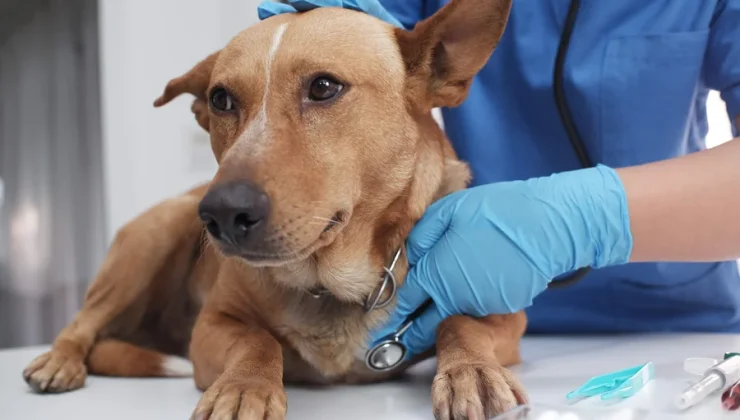
Preventive exams are crucial for your pet’s long-term health. Regular check-ups with a veterinarian in Guelph can catch issues early. This proactive approach helps avoid serious health problems later. Pets can’t always show you when something’s wrong. You have to be their voice and advocate. Routine exams can detect hidden conditions that might develop into major concerns. Addressing these issues early can save both pain and expense. During the exam, the vet assesses your pet’s overall health, updates vaccinations, and recommends necessary treatments. These visits also provide a chance to discuss any behavioral changes or unusual habits you’ve noticed. By staying informed and involved in your pet’s health, you’ll ensure a healthier, longer life for your furry friend. Remember, it’s not just about treating illness. Regular exams are your best strategy for prevention and peace of mind. Protect your pet’s future with preventive care now.
Understanding Preventive Care
Preventive care involves regular health assessments. These exams check for medical, dental, and developmental issues. They help in maintaining a solid health baseline. From this baseline, you can track any changes in your pet over time.
Key Components of a Preventive Exam
During a preventive exam, vets check several aspects:
- Weight and body condition
- Oral health
- Skin and coat condition
- Heart and lung function
- Joint health
- Vision and hearing
Each component plays a role in assessing your pet’s overall health. For instance, weight changes can indicate underlying health issues. Likewise, oral health affects more than just teeth; it can impact heart health, too.
The Role of Vaccinations
Vaccinations are a core piece of preventive care. Vaccines protect against diseases that can harm your pet. During exams, vets review and update these vaccines. This ensures your pet remains protected as they age.
Common Health Issues Prevented by Regular Exams
Routine exams help prevent several common issues:
- Dental disease
- Obesity
- Arthritis
- Heart disease
- Diabetes
Addressing these issues early can extend your pet’s life. Early intervention can reduce pain and improve their quality of life.
Comparison of Early vs. Late Detection
| Condition | Early Detection | Late Detection |
|---|---|---|
| Dental Disease | Routine cleaning, less pain | Tooth loss, severe discomfort |
| Obesity | Dietary adjustments, better mobility | Joint issues, heart problems |
| Arthritis | Joint supplements, improved comfort | Reduced mobility, chronic pain |
The Financial Perspective
Preventive care is cost-effective. Catching issues early reduces treatment costs. Investing in regular exams saves on expensive treatments later. According to the American Veterinary Medical Association, preventive care is an investment in your pet’s health and your financial peace of mind.
How to Prepare for a Vet Visit
Preparing for a vet visit is simple:
- List any changes in behavior or diet
- Bring vaccination records
- Prepare questions in advance
These steps ensure you cover all necessary topics during the visit. Your preparation helps the vet provide the best care possible.
Your Role in Preventive Care
As a pet owner, you’re essential in preventive care. Your observations matter. Vets rely on you to highlight changes in behavior or routine. Report these changes promptly to keep your pet healthy.
Overall, preventive exams are invaluable for your pet’s health. They provide insight into hidden issues before they become severe. Regular veterinary care ensures a longer, happier life for your pet. By prioritizing preventive care, you’re making a compassionate choice for your pet’s well-being.