
How Smartphones Changed the Way People Handle Car Accidents
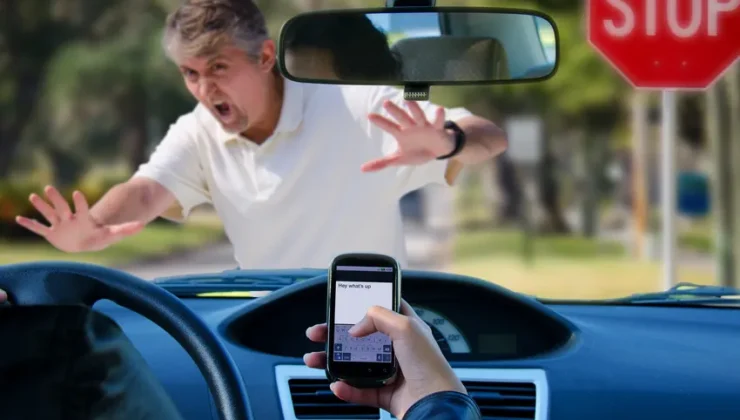
Not too long ago, handling a car accident looked very different. People relied on paper insurance cards, handwritten notes, and memory to keep track of important details after a crash. Today, smartphones have changed almost every part of that experience.
With smartphones, people can easily take pictures of the accident scene, notify their loved ones, or check their insurance coverage. While accidents are never easy, technology has certainly made things easier for many motorists.
Why Are Smartphones So Important After an Accident?
After making sure everyone is safe, many people immediately reach for their phones. Smartphones now give people quick access to tools and information that can help immediately after a crash.
People commonly use their phones to:
- Call emergency services – One of the first things many drivers do after an accident is contact emergency responders for medical assistance or police support, especially when injuries or traffic disruptions are involved.
- Contact family or friends – Accidents can feel overwhelming, so many people immediately reach out to someone they trust for reassurance, updates, or help with transportation and next steps.
- Access insurance information – Many insurance companies now offer mobile apps and digital insurance cards, making it easier to review coverage, file claims, or contact insurance representatives quickly.
- Document the accident scene – Smartphones allow drivers to take photos and videos of vehicle damage, road conditions, traffic signs, and other important details before conditions change.
- Use navigation or roadside assistance apps – Drivers often rely on apps like Google Maps or roadside assistance services to locate repair shops, towing services, hospitals, or alternate routes after an accident.
Having these tools readily available can help people feel more prepared and less overwhelmed in stressful situations.
How Photos and Videos Help After a Crash
One major way smartphones changed accident handling is through instant photo and video documentation. Instead of relying only on memory, drivers can now quickly preserve important details before conditions change.
Photos that can be taken include:
- Damage to vehicles
- The condition of the roads
- Signs or signals at the accident scene
- Skid marks
- Injuries
Videos can also help document surroundings and traffic conditions at the accident scene.
These records may later help clarify what happened during insurance discussions or accident investigations.
Why Digital Records Matter More Than Ever
Smartphones also make it much easier to keep accident-related information in one place. Instead of carrying folders or paper documents everywhere, many people now store important records digitally so they can access them anytime they need them.
This may include:
- Insurance cards – Digital insurance cards make it easier to quickly provide policy information after an accident or during the claims process.
- Medical paperwork – People often save discharge instructions, prescriptions, medical bills, and appointment details directly on their phones to make tracking appointments and expenses easier.
- Police report information – Contact details, report numbers, and accident documentation can be saved digitally for future reference.
- Repair estimates – Photos, invoices, and repair shop estimates are often stored in one place to help manage vehicle repairs and insurance communication.
- Screenshots of conversations or ride details – Messages with insurance companies, rental car providers, rideshare apps, or other drivers can help people keep track of conversations and timelines.
Cloud storage and file-sharing apps also allow people to back up important files so they remain safe and accessible later, even if a phone is lost, damaged, or replaced.
How Navigation Apps Became Helpful During Accidents
Apps like Google Maps do more than provide directions. People can use navigation apps to identify locations, review routes, and even pinpoint the location of an accident.
This becomes especially helpful when:
- Driving in unfamiliar cities
- Traveling on road trips
- Using rental cars
- Navigating busy highways
Many travelers visiting places like Las Vegas or Los Angeles rely heavily on navigation apps while dealing with heavy traffic and unfamiliar roads at the same time.
How Smartphones Help People Stay Organized and Connected
After an accident, people often need to communicate with several others at once. This may include insurance companies, family members, repair shops, rental car providers, or medical offices.
Smartphones can help people:
- Store essential contact details
- Track claim numbers
- Record conversation details
- Schedule appointments
- Transfer documents quickly
Staying organized can help make the entire process easier to manage.
What Happens When Accidents Happen During Travel?
Accidents during trips can feel even more overwhelming because people are away from home and unfamiliar with the area. In these situations, smartphones often become one of the most useful tools travelers have.
Phone use in emergencies often involves:
- Finding nearby hospitals or urgent care facilities
- Reaching out to roadside assistance
- Looking up towing services
- Obtaining travel insurance details
- Getting in touch with car rental agencies
When an injury or insurance claim is involved, many people turn to the internet for additional information. For example, if you are traveling in California, you may reach out to Los Angeles car accident lawyers following a car rental accident.
Having access to information quickly can make stressful situations easier to manage.
Are Smartphones Changing Insurance Claims Too?
Yes. Today, insurance companies often review digital evidence such as photos, videos, GPS records, timestamps, and dashcam footage during accident claims.
This gives insurers and drivers:
- Clearer timelines
- More detailed documentation
- Faster communication
- Easier access to records
As a result, many people now understand the importance of preserving evidence immediately after an accident.
Why Staying Organized Matters
One of the biggest advantages smartphones offer after an accident is organization. Simple practices such as sorting pictures into folders and maintaining consistent notes may go a long way during this process.
Some of the common uses of your smartphone include:
- Storage of documents related to the accident
- Documentation of medical appointments
- Store receipts and repair estimates
- Maintenance of communications related to the accident
Final Thoughts
Smartphones have changed how people handle accidents and recovery-related tasks. These devices allow drivers to take notes, keep things organized, communicate quickly, and access important information when they need it most.
Accidents are still difficult experiences, but technology has made it easier for people to manage what comes next. In many cases, having quick access to information and communication tools can help people feel more prepared, supported, and in control during an unexpected moment.
Author Bio:
Jaira Sales writes about travel, lifestyle, and everyday situations that people may unexpectedly face, including accidents and insurance concerns. Her work focuses on creating clear, practical, and reader-friendly content that helps individuals better understand legal and insurance-related concerns. Learn more at Jacoby & Meyers.