
How Technology Enhances Accuracy In Tax Accounting
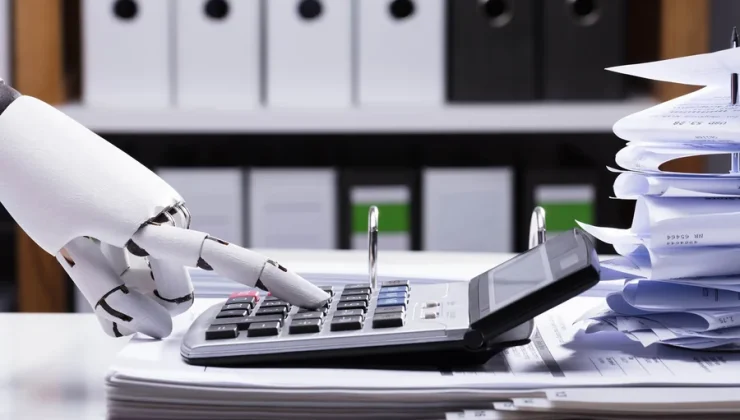
Technology changes how you handle taxes. It cuts guesswork and reduces costly mistakes. You see clear numbers instead of confusing piles of paper. Simple tools scan receipts, track income, and match records with bank data. Each step keeps your return steady and clean. You spend less time hunting for errors and more time making smart choices. Some tools even warn you when something looks wrong. That protects you from letters, audits, and stress. For people who use tax relief services in Elk Grove, CA, technology supports every move. It helps your tax professional check details fast and prove entries with strong records. You gain clear proof for every claim. That proof can ease talks with tax agencies and support requests for payment plans or penalty cuts. With the right tools, you stay ready, calm, and prepared each tax season.
Why Accuracy Matters For Every Household
Accurate tax returns protect your money, time, and peace of mind. You want three simple outcomes. You pay only what you owe. You keep every credit and deduction you earn. You avoid letters and audits that drain energy.
When numbers are off even by a little, you face three risks. You may overpay. You may trigger questions from tax agencies. You may miss support programs that help your family. Technology gives you clear records and strong proof, so you stand on solid ground.
Digital Records Replace Paper Piles
Paper fades, tears, and gets lost. Digital records stay clear and easy to search. You can scan pay stubs, receipts, and bank letters. Then you store them in secure folders by tax year.
Three simple habits help you keep order.
- Save every tax document to one secure folder.
- Use clear file names with dates and short labels.
- Back up your folder to an encrypted drive or trusted cloud service.
The Internal Revenue Service explains what records you must keep and for how long. You can follow that list and match each item with a digital copy. That match keeps your return honest and complete.
Automation Reduces Simple Human Errors
Manual entry creates many slips. You type a number wrong. You skip a form. You add numbers in your head and miss a line. Automation cuts those slips.
Modern tax tools can.
- Import W-2 and 1099 data directly from employers or banks.
- Pull interest and dividend numbers from financial accounts.
- Carry forward last year data so you keep track of carryovers and credits.
Each import lowers the number of keys you press. Fewer key strokes mean fewer mistakes. That simple change protects your refund and your personal records.
Matching Data With Official Records
Tax agencies use computers to match your return with data from employers, banks, and schools. When your numbers match theirs, your return moves through the system with less friction. When numbers clash, computers flag your file.
Tax software now helps you line up your records with official forms. It prompts you to enter each W-2 and 1099. It checks math in real time. It shows clear warnings when income or credits look out of place for your filing status or family size.
The IRS also offers tools such as the Tax Withholding Estimator. That tool helps you pick the right amount of tax from each paycheck. Good withholding means your year-end return matches your real income more closely.
Common Errors And How Technology Helps
| Common tax mistake | Traditional cause | How technology improves accuracy
|
|---|---|---|
| Wrong Social Security numbers | Typing from memory | Secure profiles store correct numbers for repeat use |
| Math errors on credits or deductions | Manual math on paper forms | Software calculates and updates totals instantly |
| Missing forms such as 1099s | Lost mail or poor filing habits | Digital import from banks and employers flags missing items |
| Wrong filing status | Guessing instead of checking rules | Step-by-step questions guide you to the correct status |
| Missed education or child credits | Not knowing current rules | Software prompts for school costs and dependents |
Keeping Families Safe From Fraud And Identity Theft
Financial crime steals more than money. It steals calm. Criminals try to use stolen Social Security numbers to claim refunds or open credit lines. Good security reduces that risk.
Strong tax tools support three layers of safety.
- Multi-factor logins that use a code in addition to a password.
- Encryption that scrambles your data during storage and transfer.
- Alert messages when someone tries to sign in from a new device.
You can add your own habits. Use unique passwords. Update them on a regular schedule. Store them in a trusted password manager. Avoid sending tax documents by plain email. Use secure portals when you work with a tax professional.
How Technology Supports Professional Guidance
Many families choose to work with tax professionals when they face large debts, complex returns, or back taxes. Technology helps that partnership. It gives both sides clear records and a shared view of your numbers.
When you upload digital documents, your tax professional can.
- Spot missing forms before filing.
- Test different payment plans or settlement options.
- Prepare for calls or letters from tax agencies with clear proof.
You gain faster answers, cleaner documents, and fewer surprises. That support matters when you already feel pressure from money problems or past mistakes.
Steps You Can Take Today
You do not need complex tools to gain better accuracy. You can start with three simple moves.
- Create a single digital tax folder for the current year and scan each document that arrives.
- Use a trusted tax program or online service that supports data import from banks and employers.
- Check your numbers line by line against official forms before you file.
Each step lowers stress for you and for your family. You trade confusion for clear records and grounded choices. That change is the quiet power of technology in tax accounting. It keeps your story honest, your numbers clean, and your future steadier.