
How to Restore Faded Car Paint and Bring Back the Shine
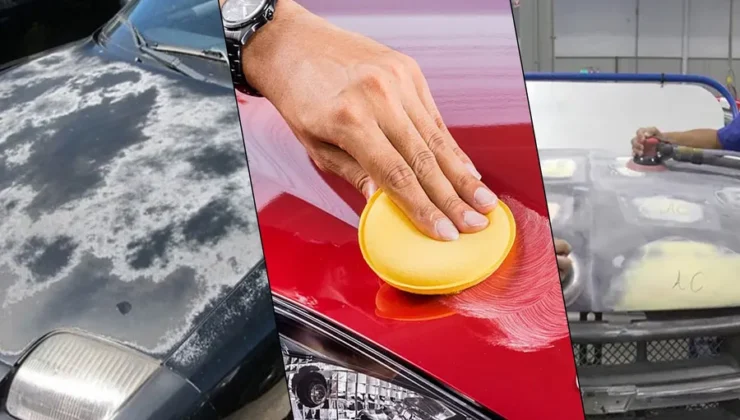
There’s a particular kind of sadness in looking at a once-glossy car that’s turned dull and chalky. The red has gone pink, the black has gone grey and the paint feels rough when you run your hand across the bonnet. It happens to plenty of cars in Australia, where years of harsh sunlight, salty air and the occasional neglected bird dropping take their toll.
The good news is that faded paint isn’t always a lost cause. In many cases, the damage is limited to the top layer, and careful correction can bring back a surprising amount of colour and gloss. The process involves cleaning, decontaminating and then using the right cutting and polishing compounds to remove the damaged layer and refine the finish underneath.
Why paint fades in the first place
Modern cars typically have a base coat that provides the colour, protected by a clear coat on top. UV exposure gradually breaks down that clear coat, causing oxidation. The surface becomes cloudy and dull, and the colour underneath can look washed out. Older cars, and some single-stage paints without a separate clear coat, can oxidise even more noticeably, leaving a chalky residue that comes off on a cloth.
Environmental contaminants make things worse. Industrial fallout, tree sap, road tar and bird droppings can etch into paint, while improper washing methods create fine scratches that scatter light and reduce gloss.
Before you start, it’s important to assess the damage. If the clear coat is peeling, flaking or has worn through to the base coat, polishing won’t fix it. That’s a job for a professional respray. But if the paint is dull without peeling, there’s a good chance you can restore it.
Start with a deep clean
Paint correction always begins with a thorough wash. Use a dedicated car shampoo and the two-bucket method to avoid dragging grit across the surface. Clean the wheels and lower panels separately, since they’re usually the dirtiest.
After washing, decontaminate the paint. Iron removers dissolve embedded metal particles from brake dust and industrial fallout. A clay bar or clay mitt, used with plenty of lubricant, lifts bonded contaminants that washing leaves behind. You’ll know it’s working when the paint goes from feeling gritty to smooth as glass.
Dry the car carefully and work in a shaded, cool area. Polishing in direct sun causes products to dry too quickly and makes it harder to get good results.
Cutting, polishing and refining
This is where the transformation happens. Cutting compounds contain abrasives that remove a very thin layer of damaged paint or clear coat, taking oxidation and scratches with it. Polishing compounds have finer abrasives that refine the surface, removing the haze left by cutting and building gloss.
Always start with the least aggressive approach that gets results. Test a small area first, ideally somewhere inconspicuous, to see how the paint responds. If a light polish restores the shine, there’s no need to use a heavy cut. Removing more paint than necessary reduces the amount of clear coat left for future correction.
Dual-action polishers are popular with enthusiasts because they’re relatively forgiving and less likely to burn through paint than rotary machines. Work in small sections, use moderate pressure and keep the pad moving. Wipe off residue with a clean microfibre cloth and inspect the results under good lighting. Repeat if needed, then follow up with a finer polish to maximise clarity.
Pay special attention to edges, body lines and raised areas, where paint is often thinner. It’s easy to cut through these spots, so use a light touch or tape them off.
Protect your hard work
Once the paint looks its best, it needs protection. Freshly corrected paint is bare and vulnerable. A quality wax gives a warm glow and protection for a few months. Synthetic sealants last longer, while ceramic coatings offer the most durable protection when applied properly.
Ongoing care keeps the shine alive. Wash regularly with gentle products, dry with clean microfibre towels and remove contaminants promptly. Park in the shade or under cover whenever you can, and consider a car cover if the vehicle spends long periods outside.
Restoring faded paint takes time and patience, but the results can be remarkable. Watching dull, tired paint come back to life under the polisher is one of the most satisfying jobs in car care, and with proper protection afterwards, the shine can last for years.