
Pulsamento: The Heartbeat of Rhythm
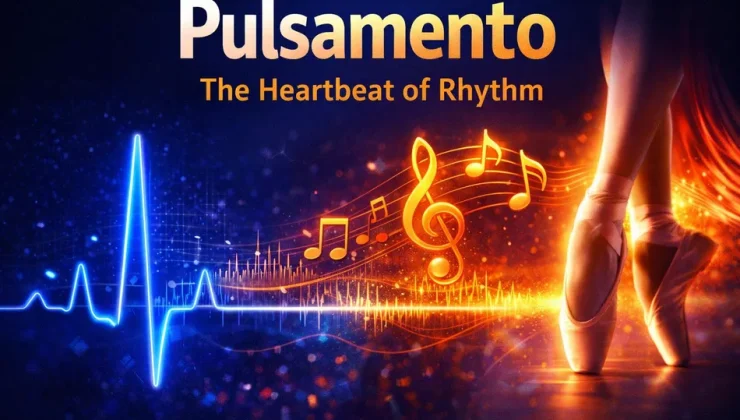
Pulsamento is a theory that is based on rhythms, beat and rhythmic movement. Its original meaning is the Italian pulsare that can be translated as to pulse or to beat. Pulsamento in the artistic and human realms is the regular, repeated pulse which provides pattern and vitality to sound, motion and even expression of emotion.
What Does Pulsamento Mean?
Fundamentally, pulsamento is a pulsation of rhythm or rhythmic pattern, an ordered arrangement of beats or a repetitive motion which forms the basis of music and performance of all types. It is the pulse of rhythm with melodies, harmonies and movement pegged to a cadence with which people can feel, follow and react.
Rhythmic pulse in more general use In more general usage, rhythmic pulsation, which is also known as pulsation, is a throbbing or vibration, such as a pulse. Rhythmic beats are common in physiology, as in everyday life a throb in the artery or the beats of the heart are the pulsations.
Pulsamento in Music
In music, pulsamento is the backbone beat which underlies rhythm and tempo. It is what makes a song catchy, danceable and emotionally luminous. This rhythmical beat is used by musicians to coordinate their performance, tempo and expression.
Pulsamento is applied in different musical genres in different ways:
- Pulsando is the linkage of movement and rhythm in flamenco and Latin music, and the movement of dancers and instrumentalists.
- In jazz it offers rhythmic basis of improvisation which assist the performers to pass the complicated syncopation and swing.
- Pulsamento is a force that makes the listeners move and keep their bodies moving in the modern pop and electronic music.
- Pulsamento is really nothing but the rhythmic heartbeat of music, which forms not only organized compositions but also spontaneous performances.
Pulsamento Beyond Music
Even though this is usually talked about in musical terms, pulsamento also has an effect:
Dance & Movement
Dancers instinctively react with beats in music. The beats determine timing, footwork, and expression in both tango and salsa as well as the contemporary dance styles.
Cultural Expression
Pulsa Mento exists all over the world in the traditional ceremonies, communal events, and cultural performances. The repetitive rhythms tend to symbolize solidarity, common feeling and togetherness.
Physiology and Psychology of people
Rhythm is not only external, it is also internal. Even the beating of the human heart is some kind of rhythmic pulsation. Listening to music and taking part in the activity with rhythm can affect the feelings, coordination of the body, and reduction of stress.
Why Pulsamento Matters
Pulsamento has meaning in that it:
- Presents form in music and movement.
- Increases the expression of emotions and artistic attachment.
- Promotes co-ordination between actors and spectators.
- Displayed rhythmic patterns in life in art and human biology.
After all, be it a musician or dancer or listener or just someone who taps his foot to a beat, it is pulsamento in action- relating rhythm to experience.
Conclusion
Pulsa Mento is not only a musical term of technique. It symbolizes the beating heart that makes sound, motion and human communication. It is reflected in the slow rhythm of the songs, in the rhythmic action of the dancers, and even in the beat of our own heart. Comprehending the notion of pulsasso provides an idea of the way the rhythm forms our world – both in cultural customs and in creative art and living routine.