
Reducing Car Accidents in Orlando: Common Causes and Preventive Measures
Key Takeaways
- Distracted driving, speeding, and impaired driving are leading causes of Orlando accidents.
- Law enforcement and safety campaigns have reduced incidents, but constant vigilance remains crucial.
- Community and infrastructure improvements are instrumental in making Orlando roads safer.
Orlando's busy roadways are notorious for frequent car accidents, particularly as high volumes of both locals and tourists fill the city year-round. Many residents and visitors are impacted by these incidents, making road safety a top concern. Understanding why these accidents occur and what steps can reduce them is critical to protecting yourself and others. If you have been involved in a collision or need legal guidance, an Orlando Car Accident Lawyer can help you navigate your options.
With large crowds, complex intersections, and seasonal weather risks, car crashes remain a pressing issue throughout Central Florida. Drivers, cyclists, and pedestrians alike may face heightened dangers unless the common causes are addressed directly. Improving safety requires action from individuals, law enforcement, and the broader community.
Reducing car accidents in a city as dynamic as Orlando depends on everyone’s commitment, from following local traffic laws to supporting awareness campaigns. Effective change can only come from a combined effort, so understanding the most common causes and what can be done about them helps build safer streets for everyone.
Understanding the Primary Causes of Accidents
Multiple factors contribute to the high frequency of car crashes in Orlando’s urban and suburban environments. The most prevalent among these are:
Distracted Driving
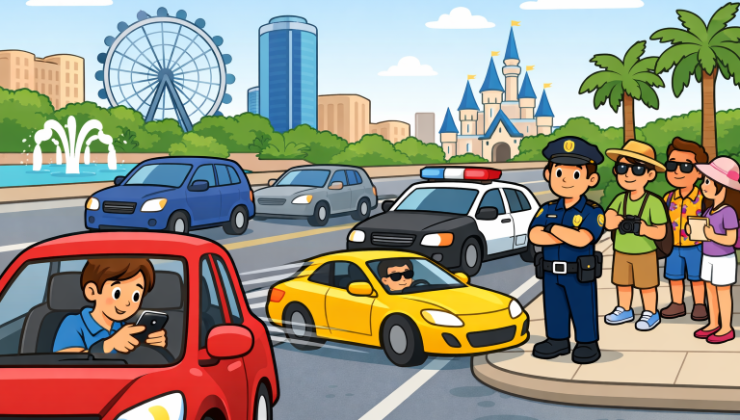
Distractions while driving remain a leading cause of collisions. Activities like texting, using GPS, and even eating can take attention away from the road. Though Florida has enacted tough regulations against texting and driving, these behaviors still cause many accidents each year. Maintaining focus and minimizing in-car distractions are paramount for safety.
Speeding
Speeding, especially along major corridors such as I-4 and SR 408, is a recurrent issue in the Orlando area. Exceeding posted limits not only reduces a driver’s reaction time but also increases the severity of accidents when they occur. Routine enforcement and public awareness campaigns have helped curb some speeding, but it remains a widespread risk.
Impaired Driving
Driving under the influence of alcohol or drugs impairs judgment, slows reaction times, and often results in tragic outcomes. Given Orlando’s vibrant nightlife and entertainment scene, DUI-related crashes are particularly common on weekends and late nights. Law enforcement frequently runs sobriety checkpoints and awareness programs to combat this persistent danger.
Seasonal and Weather-Related Factors
Orlando’s accident rates are known to spike at specific times of year, often coinciding with holidays or changes in weather. For example:
- Spring Break (March-April): Accident rates surge by approximately 42 percent, largely due to an influx of tourists and younger drivers.
- Summer (June-August): The combination of heavy vacation traffic and frequent afternoon thunderstorms leads to a 35 percent rise in reported accidents.
- Christmas (December): Holiday travel brings a 38 percent increase in crashes as visitors converge on Central Florida for festivities.
Rain, particularly the intense, sudden thunderstorms common in Orlando summers, can make roads slippery and reduce visibility, heightening accident risk. Drivers are encouraged to slow down and use extra caution during these conditions.
Infrastructure and Road Design Challenges
Aside from driver behaviors and seasonal trends, Orlando’s infrastructure also poses particular dangers:
High-Risk Intersections
Areas such as the intersection of Orange Avenue and Colonial Drive and the junction of Colonial and Orange Blossom Trail (OBT) are notorious for frequent accidents. Factors like poor visibility, heavy volumes, and complex turn patterns make them especially hazardous.
Highway Interchanges
Complicated highway interchanges, such as where eastbound SR 408 meets eastbound I-4, have seen persistent crash problems. The Florida Department of Transportation (FDOT) responded by installing temporary barriers at these sites, nearly halving the number of accidents at some of the highest-risk ramps.
Preventive Measures and Safety Initiatives
Law Enforcement Efforts
Orlando’s police department focuses on reducing pedestrian and cyclist accidents through targeted enforcement against unsafe behaviors by both drivers and non-motorists. High-visibility enforcement operations and educational outreach are regularly performed in high-traffic areas.
Infrastructure Improvements
The FDOT continues to make important safety upgrades throughout Orlando, particularly at hazardous interchanges. Projects include installing median barriers and improving signal timing, both of which have proven effective in lowering crash statistics in key locations.
Community Initiatives
The Vision Zero Central Florida program exemplifies a coordinated approach to eliminating traffic deaths and serious injuries. This initiative calls for collaboration between government, businesses, and local stakeholders to design safer streets, increase education, and regularly review accident data to guide improvements.
Conclusion
Orlando’s efforts to make its roads safer reflect a citywide commitment to reducing car accidents. By addressing the root causes, whether behavioral, environmental, or infrastructural, everyone can help create safer streets. Ongoing driver education, enforcement of traffic laws, infrastructure investments, and robust community engagement are the building blocks needed to lower accident rates and protect lives across Central Florida.