
Taking A Nap: Unlocking The Power Of The Perfect Pause
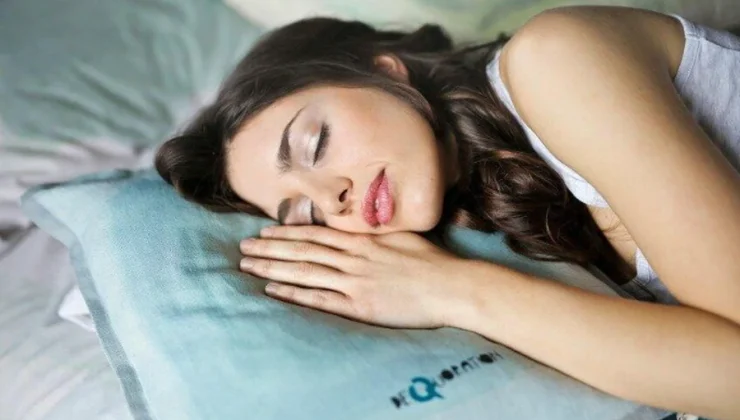
Taking a nap is more than just a quick escape from daily busyness—it is an art and science that can recharge the mind and body in remarkable ways. In this article, readers will discover the surprising health benefits of taking a nap, learn how to find the perfect nap length, and explore the different kinds of naps and their purposes. For parents seeking to soothe their little ones, the guide also features an important mention of the newborn white noise machine, a tool that can make nap time peaceful and restorative. Get ready to embrace napping as a powerful habit to boost focus, creativity, and overall well-being.
The Art and Science of the Afternoon Nap
Taking a nap is a skill that people have perfected over hundreds of years and which has been thoroughly examined by science. It’s not merely shutting your eyes, but it’s understanding the time, duration, and place for a nap to get the most out of it. A lot of societies take delight in non-working hours sleep, or siestas, acknowledging that a brief rest renews one’s energy and concentration for the whole day. Research studies reveal that a nap taken at the right time improves the functioning of the brain, the stabilizing of one’s mood, and the strengthening of one’s body. The point is to consider the nap as a refreshing break from work, not as a lazy gesture.
The Surprising Health Benefits of a Quick Snooze
Quiet time sleep’s advantages are not limited to only the feeling of being refreshed. Experiments on this subject have indicated that habitual napping enhances one’s memory, brain power, and emotional strength. In the case of grown-ups, short sleeping time during the day helps to cut down on the production of stress hormones and lowers the chance of cardiovascular diseases. Besides, it puts the brain to work in a different way by getting rid of toxins and it also makes the person respond faster.
If parents take some time off for a nap, the children’s care will be balanced and the mental state will stay clear. Even a short nap of 10 to 20 minutes could be instrumental in raising the level of alertness and improving one’s mood. Science supports the idea that a short sleep is an easy and natural method of keeping one’s body and mind in good health.
Finding Your Nap Sweet Spot: How Long Is Too Long?
Nabbing the perfect sleep is probably the hardest thing you can do with a nap. Sometimes, if your nap is too short you will definitely still feel tired; and if it is too long, you may feel groggy and it will be hard for you to sleep at night. Basically, experts recommend that a perfect sleep is between 15 and 30 minutes. This period gives you the chance to rest just enough so that you do not enter the deep sleep stages that cause sleep inertia (that sleepy, sluggish feeling upon waking). Occasionally, longer naps, from 60 to 90 minutes, may be beneficial as they allow a full sleep cycle, thus aiding memory consolidation and creativity. Anyway, these long naps are better kept for weekends or days off. The journey to finding your own personal nap time is a trial and error process.
The “Power Nap”: A Tool for Productivity and Focus
A power nap is a short and intentional sleep which is used to invigorate one’s energy and mental clarity as needed. Power naps of about 20 minutes in length are considered to be brain resets which subsequently lead to better focus and enhanced ability to solve problems. People on the go like office workers, students and the creative ones are the most common users of power naps which they utilize to get over the afternoon slumps and to keep on doing at the top of their performance level. The main benefit of this quick break is its capacity to turn off the outer distractions and thus, give the brain a new start. Taking a power nap can be a very effective way of dealing with tiredness if you happen to be at work or home.
Setting the Stage: Creating the Perfect Napping Environment
Creating the perfect napping environment enhances the quality and effectiveness of your rest. Ideally, this means a quiet, dark, and cool space free from interruptions. Using blackout curtains, earplugs, or white noise machines can block distractions and soothe the senses. For parents of infants, a newborn sound machine is a wonderful addition to the nap environment. This device produces comforting sounds that mimic the womb, helping babies fall asleep faster and stay asleep longer. Ensuring a comfortable surface, such as a supportive mattress or reclined chair, also makes a big difference. The body responds best to naps when all conditions promote relaxation and safety.
Here is where the newborn sound machine finds relevance and ease: Parents can enhance their child’s napping experience with this gentle device, available collections online specifically designed for newborns with soothing sound options.
Avoiding the Grogginess: How to Wake Up Refreshed
One of the most common complaints about napping is waking up groggy or disoriented, a state known as sleep inertia. To avoid this, timing is crucial. Naps that end before deep sleep stages help people wake feeling refreshed. Setting an alarm for 20 to 30 minutes prevents oversleeping, while a longer nap might require 90 minutes to complete a full cycle. Upon waking, exposure to bright light and gentle stretching help stimulate alertness. Some find a splash of cool water on the face or a cup of tea works well. Practicing a calm, gradual wake-up routine supports a smooth transition back to activity.
The Different Kinds of Naps and Their Purposes
Napping is not a universal solution; each different nap type has its own different needs:
-
Planned Nap: A scheduled pause, typically 20-30 minutes, whose main purpose is to renew energy for the afternoon.
-
Emergency Nap: Brief sleep taken by surprise when an extreme sleepiness condition suddenly overwhelms you.
-
Habitual Nap: Naps frequently taken which have become part of one’s daily routine, most likely related to cultures having siesta traditions.
-
Recovery Nap: Taking longer naps after a night of poor sleep with an aim to rest properly.
-
Power Nap: Very brief sleep periods that sharply improve one’s concentration and work capacity and are usually taken by intervention.
Knowing what kind of nap is suitable for your way of living will give you the possibility to rest well and be free from some snares of napping.
When a Nap Might Signal Something More
Though a majority of naps are good for the body and have positive effects, an excessive napping during the day and an extreme tiredness might be a sign of some hidden health problems. In such cases as sleep apnea, depression, or chronic fatigue syndrome, the demand for sleep may be significantly higher. It is a good idea to see a doctor if your naps are unusually long, frequently occurring and you still feel tired. A proper nap is supposed to rejuvenate your energy level – if you are constantly tired, it might be an indication of a sleep disorder or some other medical condition that requires your attention.
Conclusion
Taking a nap is a powerful way to recharge both brain and body. It is an art shaped by science and tailored to individual needs. From the quick power nap to the culturally rich siesta, naps offer surprising benefits that enhance health, productivity, and mood. Creating the right environment, including helpful tools like the newborn sound machine for little ones, and avoiding grogginess makes napping a healthy and enjoyable habit. Embracing naps daily helps unlock a more focused and energized life.