
The Connection Between Veterinary Hospitals And Preventive Health
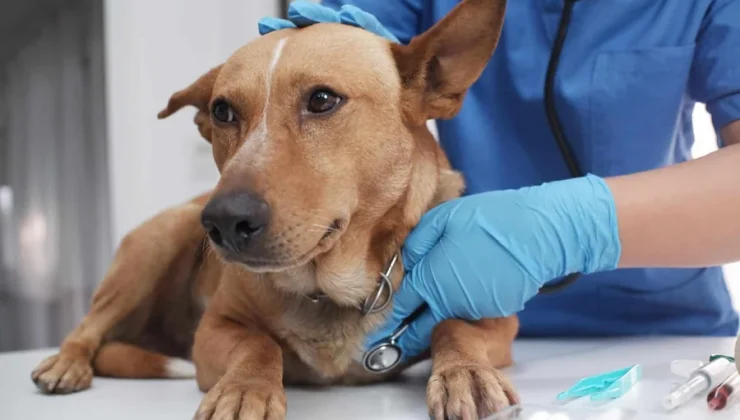
You care about your pet’s health. Veterinary hospitals are key to keeping them healthy. These hospitals do more than treat illnesses. They stop them from happening in the first place. Regular check-ups and vaccinations are crucial. They shield your pet from diseases. Dental health is just as important. Whitinsville pet dental services offer cleanings that prevent gum disease and tooth decay. Healthy teeth mean a longer life. Nutrition also plays a big role. Vets guide you through balanced diets. This reduces the risk of obesity and related issues. Exercise is next. It helps maintain a healthy weight and strong muscles. Veterinary hospitals provide plans tailored to your pet’s needs. Behavioral issues are addressed too. Early intervention is key. You ensure a happier, healthier life for your pet by focusing on preventive care. Your pet deserves nothing less. Make preventive health a priority today. Your attention can change their life.
Routine Check-Ups and Vaccinations
Routine check-ups are the foundation of preventive care. They let veterinarians spot issues before they become serious. Vaccinations are equally important. They protect pets from harmful diseases like rabies and distemper. According to the Centers for Disease Control and Prevention, vaccinations also guard against zoonotic diseases that can affect humans.
Dental Health
Dental health often gets overlooked. Yet, poor dental hygiene can lead to severe problems, including heart disease. Dental services like those offered in Massachusetts vet offices ensure your pet’s teeth remain strong and healthy. Regular cleanings prevent tartar buildup and infections that could spread.
Nutrition and Weight Management
A balanced diet supports your pet’s overall health. Too much weight can lead to issues such as diabetes and joint pain. Vets offer advice on nutritious food choices. They help manage portion sizes that align with your pet’s activity level. A healthy diet supports a robust immune system, keeping illnesses at bay.
Exercise and Physical Health
Exercise is crucial for maintaining a healthy weight and a strong body. Regular activity supports cardiovascular health. It also reduces the risk of behavioral problems. Veterinary hospitals create personalized exercise plans. These plans take into account your pet’s age, breed, and lifestyle. Ensuring your pet stays active promotes a happier, longer life.
Behavioral Health
Sometimes, pets exhibit behaviors that can disrupt their well-being. Early intervention can address these issues. Vets offer training solutions that encourage positive behaviors. Addressing behavioral health early prevents anxiety and aggression. A well-adjusted pet is a happy pet.
Data Table: Common Preventive Practices and Benefits
| Preventive Practice | Benefits |
|---|---|
| Regular Check-Ups | Early disease detection, overall health assessment |
| Vaccinations | Protection from deadly diseases, zoonotic protection |
| Dental Cleanings | Prevention of gum disease, extended lifespan |
| Nutrition Planning | Weight management, reduced risk of obesity-related diseases |
| Exercise Plans | Improved physical health, reduced behavioral issues |
| Behavioral Training | Reduced anxiety, better quality of life |
The Role of You, the Pet Owner
Your role is vital. You are the one who maintains these preventive measures. Establish a routine of visits and stay informed. Work closely with your veterinarian to enhance your pet’s health. Awareness and action make a significant difference.
Conclusion
Veterinary hospitals play a major part in preventive health. They offer care that goes beyond treating illness. Attention to routine check-ups, dental health, nutrition, and more ensures your pet lives a healthier, longer life. From personalized exercise plans to behavioral training, these services create a foundation for a happy pet. Actively engaging in preventive health today means fewer issues tomorrow. Your dedication will reinforce your bond with your pet. Prioritize their health. It will reward both of you with more joyful years together. For further reading, visit the American Veterinary Medical Association for comprehensive information on preventive care.