
The Role Of A Dentist In Preventing Oral Diseases
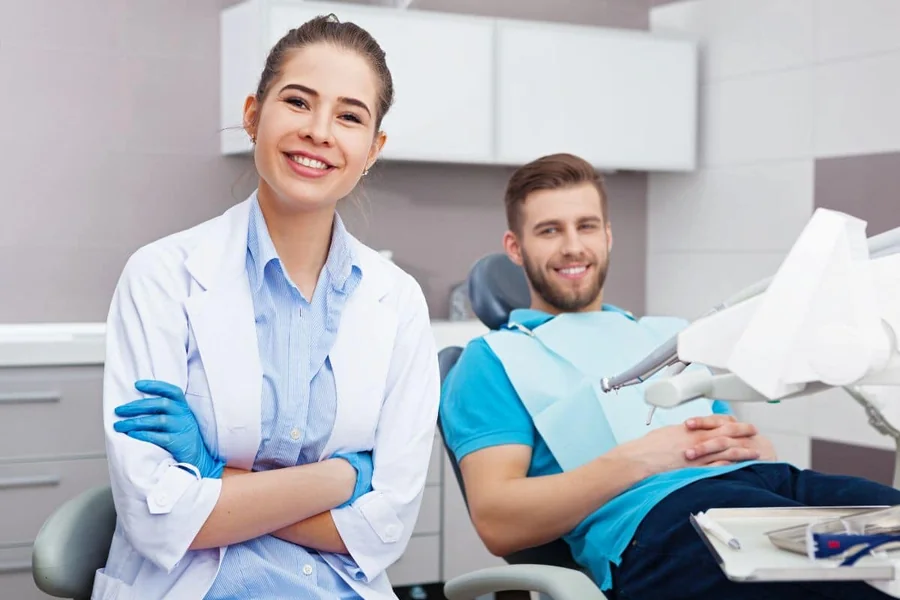
People usually think of dentists who fill the gaps and root channels, but their work is much more than that. Prevention is an important part of modern dental treatment. The goal is to prevent oral diseases before they start or find them the easiest to treat in their first stages. It is necessary to take such an active action not only to maintain good oral health, but also to keep general health. A committed dentist in Boston is very important to protect the smiles of their patients and to avoid a wide range of health problems. They do this by giving them regular checks and teaching them to take care of their teeth.
Regular Check-ups and Early Detection
One of the most important things a dentist does to keep people from getting problems is to encourage and perform regular tooth check-ups. These regular trips, which should happen about every six months, aren’t just for getting your teeth cleaned. They give the dentist a chance to look closely at your mouth, teeth, and gums for any early signs of problems. This means looking for early signs of cavities, gum disease (gingivitis or periodontitis), mouth cancer, and other less common health problems. If you catch these problems early, the solutions are often easier, less invasive, and cheaper. This keeps the problems from getting worse and more complicated, which could cause tooth loss or health problems throughout the body.
Professional Cleanings (Prophylaxis)
Plaque and tartar can build up in hard-to-reach parts of the mouth even if you brush and floss every day. This sticky film turns into tartar if you don’t remove it with just your toothbrush. Tartar is made up of bacteria that cause cavities and gum disease. Professional teeth cleanings, also called prophylaxis, by a dentist or dental hygienist carefully get rid of these tough deposits. This process greatly lowers the number of bacteria in the mouth, which lowers the risk of tooth loss, stops gum inflammation, and keeps the periodontal tissues that support the teeth healthy.
Educating Patients on Optimal Oral Hygiene
As a preventative measure, a dentist also relies heavily on educating their patients. They are very important teachers because they give people the information and skills they need to do good oral hygiene at home. This includes showing how to brush properly, giving advice on how to use dental floss or interdental cleaners correctly, and suggesting the right toothpastes or mouthwashes. Patients are more likely to stick to their daily routines when they understand the “why” behind these habits. This makes them active players in maintaining their own oral health. This customised help has a bigger effect than general advice and changes based on each person’s needs and skill level.
Utilizing Technology for Early Detection
Modern dentistry uses cutting-edge technology to make preventative care better. Digital X-rays, which subject patients to a lot less radiation, help dentists find problems like cavities between teeth, bone loss, or impacted teeth that can’t be seen with the naked eye. Intraoral cameras take clear pictures of the inside of the mouth, so dentists can show people exactly what needs attention and help them understand their oral health better. These technological tools help doctors make faster and more accurate diagnoses, which lets them take preventative steps at the right time.
Dentists play a big part in keeping people from getting oral illnesses. They do this by diagnosing problems, teaching people about them, and providing specialised treatments. Not only does going to a trusted professional, like a dentist in Boston, regularly fix problems, but it also helps you keep your oral health in great shape, which is good for your general health and gives you a confident smile for years to come.