
The Role Of Occlusal Adjustment In Supporting Restorative Outcomes
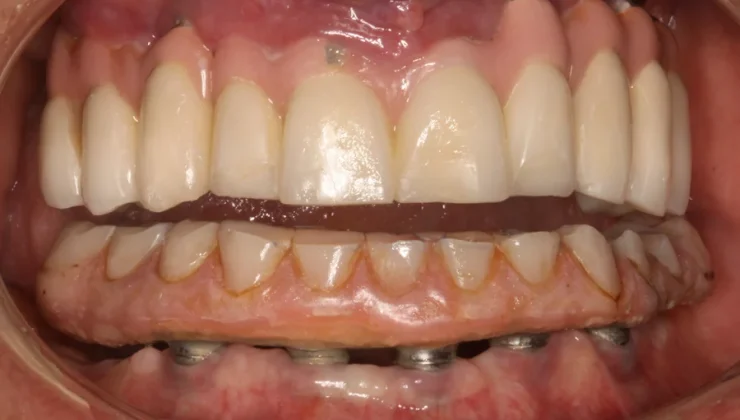
Understanding occlusal adjustment is key to successful restorative dental care. When your teeth come together, the way they align matters. If they do not meet correctly, stress can damage both teeth and restorations. As a patient, you might feel discomfort or notice uneven wear on your teeth. Seeing a dentist in Irvine can address these issues. Your dentist adjusts your bite to protect your teeth and any restorations you have. This simple procedure ensures your fillings, crowns, or bridges last longer. It can also prevent future dental problems. Restorations work best when they fit perfectly within your natural bite. This adjustment can relieve jaw pain and improve chewing. By focusing on how teeth meet, you support overall oral health. This approach gives your teeth the best chance to function well. You deserve a smile that feels great and works smoothly.
Why Occlusal Adjustment Matters
Occlusal adjustment is more than just a dental term. It plays a crucial role in oral health. Teeth that do not align well can cause several problems. These may include headaches, jaw pain, and even fractured teeth. This adjustment helps avoid these issues. By ensuring your teeth meet properly, you prevent undue stress and improve the function of your restorations. Restorative treatments like crowns and bridges rely on this harmony to stay effective.
Common Symptoms of Occlusal Issues
- Teeth grinding
- Jaw discomfort
- Uneven chewing surfaces
If you notice these signs, it might be time to consult with your dentist. Addressing these symptoms early can make a difference in maintaining your dental health.
Benefits of Occlusal Adjustment
Occlusal adjustment offers many benefits. It enhances the lifespan of dental restorations and improves comfort. Here are the top three benefits:
- Enhanced durability of dental work
- Reduced jaw pain
- Improved chewing efficiency
Each of these advantages contributes to a healthier and more comfortable mouth. By aligning your bite, you ensure that your dental treatments offer the best possible outcomes.
What to Expect During an Occlusal Adjustment
During the procedure, your dentist will carefully assess how your teeth come together. They may use special tools to identify and remove any high spots on your teeth. This process is precise and designed to be comfortable for you. Most patients find relief from symptoms shortly after the adjustment. Your dentist will guide you through each step and answer any questions you may have.
Comparing Occlusal Adjustment with Other Treatments
| Treatment | Purpose | Benefits |
|---|---|---|
| Occlusal Adjustment | Aligns bite | Prevents restoration damage, reduces discomfort |
| Orthodontics | Corrects teeth alignment | Improves aesthetics, enhances function |
| Night Guards | Prevents teeth grinding | Protects teeth, reduces jaw strain |
Future of Dental Restorations
As dental technology evolves, occlusal adjustments will likely become even more effective. Advances in digital dentistry allow for more precise assessments. These improvements will contribute to more successful outcomes for restorative treatments. Staying informed and proactive can help you benefit from these innovations.
For more on occlusal adjustments and restorative dentistry, visit the National Institute of Dental and Craniofacial Research for resources and updates.
Conclusion
Occlusal adjustment is essential for ensuring your dental treatments last and perform well. By understanding its importance, you can work with your dentist to keep your smile healthy and functional. Addressing occlusal issues early can prevent discomfort and extend the life of your dental work. Ultimately, investing in occlusal adjustment is a step towards a more comfortable and enjoyable life.