
The Role Of Preventive Dentistry In Lowering Long Term Risks
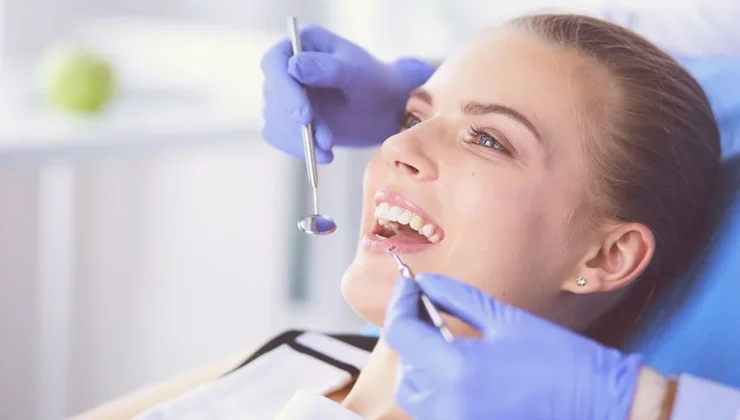
Preventive dentistry is your key to a healthier future. By focusing on proactive care, you can significantly lower long-term risks. Regular check-ups and cleanings help detect issues early, preventing them from becoming serious problems. A dentist in Fresno can be your partner in maintaining oral health. They will guide you on simple practices like brushing and flossing, which play a crucial role. Prevention reduces the need for costly procedures down the road. It also leads to fewer visits for emergency treatments. You can expect to enjoy a lifetime of strong teeth and healthy gums. Preventive dentistry isn’t just about teeth. It impacts your overall well-being. Studies have shown links between oral health and conditions like heart disease and diabetes. By taking small steps now, you protect not just your smile, but your entire health. It’s an investment in yourself that pays off for a lifetime.
Understanding Preventive Dentistry
Preventive dentistry focuses on keeping your teeth healthy. This approach includes regular dental visits for cleanings and exams. A consistent routine helps spot problems before they start. You also receive personalized advice on maintaining oral hygiene. Simple actions like daily brushing and flossing can remove plaque before it harms your teeth.
Comparison: Preventive Dentistry vs. Reactive Treatments
| Aspect | Preventive Dentistry | Reactive Treatments |
|---|---|---|
| Cost | Lower | Higher |
| Procedure Frequency | Regular check-ups | Often unpredictable |
| Comfort | Non-invasive | Potentially invasive |
The Role of Routine Visits
Routine dental visits play a crucial role in prevention. Dentists can identify signs of decay, gum disease, and other issues early. According to the Centers for Disease Control and Prevention, early detection leads to simpler, less costly treatments. You gain peace of mind knowing your oral health is monitored by professionals.
Daily Habits That Support Oral Health
Effective oral health relies on daily habits. Brushing twice a day with fluoride toothpaste and flossing daily are essential. These actions help remove food particles and plaque. Limiting sugary foods and drinks also prevents decay. Drinking water throughout the day supports saliva production, which naturally cleanses your mouth.
Impact on Overall Health
Good oral health affects your entire body. Research from the National Institute of Dental and Craniofacial Research links gum disease to heart disease and other conditions. Maintaining oral health reduces inflammation and infection risks. This preventive approach contributes to a healthier life overall.
Tips for Effective Preventive Care
- Schedule regular dental check-ups every six months.
- Brush and floss daily.
- Use fluoride toothpaste.
- Limit sugary foods and drinks.
- Stay hydrated to support saliva production.
The Long-Term Benefits
Embracing preventive dentistry offers long-term benefits. You avoid extensive procedures that can be both costly and uncomfortable. Early detection of issues keeps your smile bright and healthy. You also reduce the risk of associated health problems. Taking preventive steps leads to a lifetime of good oral health and overall well-being.