
The Role Of Preventive Visits In Reducing Long Term Dental Costs
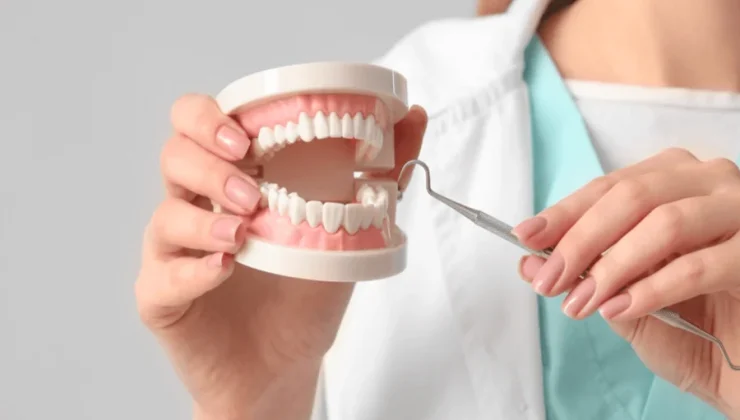
Dental bills can drain your savings. You might skip checkups to cut costs. That choice often backfires. Small problems grow into root canals, extractions, and emergency visits. These visits cost far more than basic cleanings and exams. Preventive visits change this pattern. During a routine visit, your dentist checks for decay, gum disease, and early damage. You catch trouble early. You pay for small fixes instead of major repair. You also spend less time in the chair. If you see a dentist in Little Silver NJ on a regular schedule, you spread out costs and avoid surprise bills. Your mouth stays healthier. Your budget stays steadier. This blog explains how simple preventive visits reduce long term dental costs, what to expect at each visit, and how often to go. You gain control over both your health and your money.
Why small dental problems become big bills
Tooth decay and gum disease start small. You often do not feel pain at first. You may see a stain or a bit of redness. Then time passes. The decay reaches the nerve. The gum pulls away from the tooth. Infection starts. At that point you face root canals, crowns, or tooth loss.
Each step you wait adds cost. A tiny cavity might need a simple filling. A deep cavity might need a root canal and crown. A tooth that cannot be saved might need removal and a bridge or implant. You go from a short visit and a small bill to many visits and a bill that shocks you.
The Centers for Disease Control and Prevention shows that untreated cavities are common in both children and adults. You can see data on oral health and costs at the CDC Oral Health Fast Facts. The numbers show a clear pattern. Delay leads to more disease and more expense.
What happens during a preventive visit
A preventive visit is simple. You sit, you talk, and the team checks your mouth. You can expect three main steps.
- Cleaning. A hygienist removes plaque and tartar that you cannot reach with a brush or floss. This slows decay and gum disease.
- Exam. The dentist checks each tooth, your gums, and your bite. You hear about early signs of problems.
- X rays as needed. The dentist may order pictures to see between teeth and under fillings. This finds hidden decay.
Next the dentist talks with you. You hear what looks strong. You hear what needs watching. You hear what needs treatment now. You can ask about pain, grinding, dry mouth, or bleeding gums. You walk out with a plan.
The National Institute of Dental and Craniofacial Research explains common exams and cleanings in plain language. This shows how simple steps protect your teeth and your wallet.
How preventive visits lower long term costs
Preventive visits save money in three clear ways.
- You catch problems early. A small cavity is faster and cheaper to fix than a broken tooth.
- You avoid emergencies. Regular care reduces sudden night pain and weekend trips to urgent care.
- You keep teeth longer. Natural teeth that stay strong reduce the need for dentures, bridges, or implants.
Think of your car. You change the oil and check the brakes. You do not wait for the engine to fail. Your mouth works the same way. Short planned visits prevent long panicked ones.
Cost comparison of preventive vs delayed care
Costs vary by location and insurance. Still, the pattern stays clear. Preventive care costs less over time than crisis care. The numbers below are sample ranges in dollars, not exact fees.
| Type of visit or treatment | Typical timing | Approximate cost range (per tooth or visit) | Reason for cost difference
|
|---|---|---|---|
| Routine exam and cleaning | Every 6 to 12 months | $75 to $200 | Short visit. No major treatment needed. |
| Fluoride or sealants for children | Every visit or as advised | $30 to $60 per tooth | Prevents decay in grooves of teeth. |
| Simple filling | Done when cavity is small | $150 to $300 | Removes decay before it reaches the nerve. |
| Root canal and crown | Done when decay reaches the nerve | $1,200 to $2,500+ | Multiple visits. Lab work. Extra materials. |
| Extraction and implant or bridge | Done when tooth cannot be saved | $2,000 to $5,000+ per tooth | Surgery, lab work, and more visits. |
When you add up many years, two cleanings and one exam per year usually cost less than one major dental crisis. You also lose less work time and fewer school days for your children.
Benefits for children, adults, and older adults
Preventive visits help every age group in different ways. Each stage of life brings its own risks.
- Children. Regular visits guide tooth growth. Sealants and fluoride cut the chance of cavities. You set strong habits early.
- Adults. Stress, diet, and smoking can damage teeth and gums. Regular visits spot wear, grinding, and gum disease before teeth loosen.
- Older adults. Many medicines cause dry mouth. This raises decay risk. Regular care protects teeth, dentures, and implants.
For families, shared visits also help. Children see parents sit calmly in the chair. That lowers fear. You can group appointments to reduce travel time and missed work.
How often you should go
Most people need a visit every six months. Some need more. Some need less. The right schedule depends on your risk.
- You may need more visits if you smoke, have diabetes, or have a history of gum disease.
- You may need more visits if you get many cavities or wear braces.
- You may need fewer visits if you have no recent decay and strong home care.
Your dentist will look at your history and your current mouth. Then you will agree on a plan that fits your health and your budget.
Steps you can take between visits
Preventive visits work best when you support them at home. You do not need special tools. You need a few steady habits.
- Brush with fluoride toothpaste twice a day for two minutes.
- Clean between teeth with floss or another tool once a day.
- Limit sugary drinks and snacks to meal times.
- Wear a mouthguard for sports or if you grind at night.
- Call your dentist if you feel pain, swelling, or a broken tooth.
These steps shrink the chance that your next visit will include new cavities or gum treatment. That keeps your out of pocket costs lower.
Taking control of your dental costs
Dental care can feel scary when you picture big bills. Preventive visits give you control. You see problems early. You plan treatment. You spread costs over time. You protect your teeth and your sense of safety.
You deserve a mouth that feels strong and a budget that feels steady. Regular preventive visits are a simple tool that supports both.