
Tips for Driving a Car with a Manual Gearbox
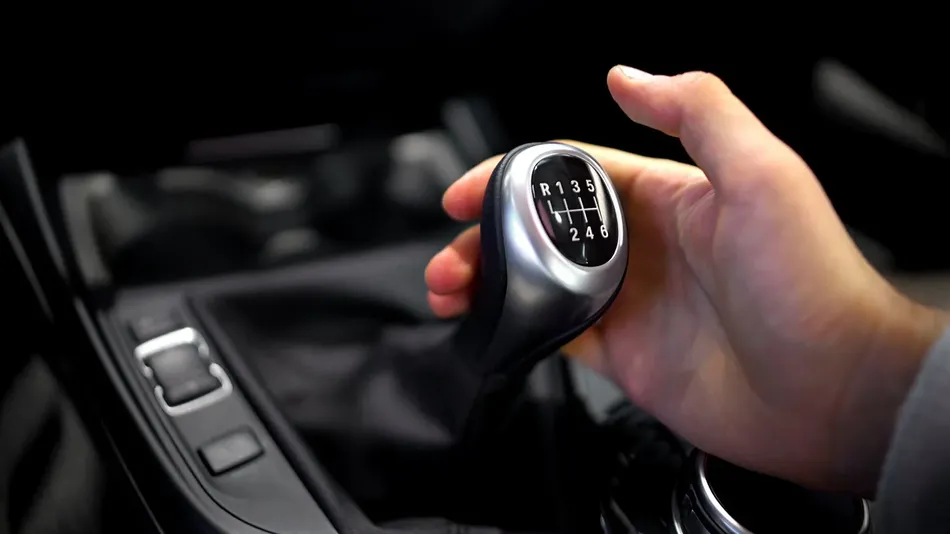
Driving a manual gearbox car offers a unique driving experience that many enthusiasts cherish. However, for beginners, the phrase “sie fahren ein kraftfahrzeug mit manuellem schaltgetriebe” — which translates to “you are driving a motor vehicle with a manual transmission” — can feel daunting. Mastering this type of vehicle requires understanding the mechanics, developing coordination, and practicing patience.
Whether you are learning in an English-speaking country or a German-speaking one, these tips will help you confidently drive a manual transmission vehicle.
Understanding the Basics: What Does “Sie fahren ein Kraftfahrzeug mit manuellem Schaltgetriebe” Mean?
The phrase “sie fahren ein kraftfahrzeug mit manuellem schaltgetriebe“ is commonly used in German driving instructions or manuals. It simply means you are driving a car with a manual gearbox. Unlike automatic transmissions, manual gearboxes require the driver to manually select gears using a clutch pedal and a gear stick.
Learning to drive a manual vehicle means you’ll control the power output more precisely, which can improve fuel efficiency and give you better control on different terrains. But it also demands that you coordinate three pedals (clutch, brake, and accelerator) and the gear lever smoothly.
1. Familiarize Yourself with the Pedals and Gear Stick
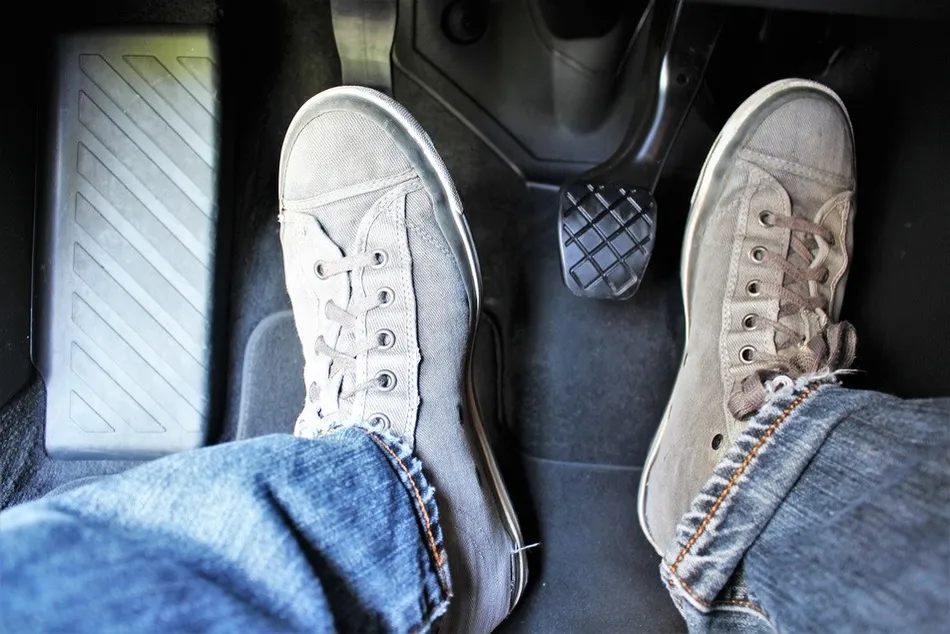
If you’re new to manual cars, start by identifying the three pedals: clutch (left), brake (middle), and accelerator (right). The clutch is the key to changing gears; pressing it disconnects the engine from the wheels, allowing you to shift gears.
The gear stick usually has 5 or 6 forward gears and one reverse gear. Each gear is positioned in a specific pattern, so understanding this layout is critical before you start moving.
2. Practice Clutch Control
Mastering the clutch is essential when “sie fahren ein kraftfahrzeug mit manuellem schaltgetriebe.” To start the car, press the clutch pedal fully and turn the ignition. When moving off, slowly lift the clutch until you feel the “biting point” — the moment the engine begins to engage the transmission. At this point, gently press the accelerator to avoid stalling.
Smooth clutch control ensures your car doesn’t jerk forward or stall unexpectedly. It also prevents excessive wear on the clutch components.
3. Starting and Stopping: Key Tips for Beginners
One of the hardest parts for new drivers is starting on flat ground and hills without stalling or rolling back. When starting from a standstill, remember:
- Fully depress the clutch pedal before moving the gear stick into first gear.
- Slowly release the clutch to the biting point while applying light pressure on the accelerator.
- Once the car moves, release the clutch completely and drive.
When stopping, press the clutch pedal just before the car’s speed drops too low, usually under 10 km/h (6 mph), then brake smoothly to a stop.
4. Shifting Gears Smoothly
As you gain confidence, practice shifting up and down through the gears. When your engine reaches a higher RPM (usually between 2,500 and 3,000), it’s time to shift up to the next gear. To do this:
- Press the clutch fully.
- Move the gear stick to the next gear.
- Gradually release the clutch while pressing the accelerator.
For downshifting, do the opposite to slow down or gain power for hills or overtaking.
Remember, smooth gear changes make driving more comfortable and reduce wear on the transmission.
5. Using the Handbrake on Hills
Starting on a hill can be intimidating for learners. If “sie fahren ein kraftfahrzeug mit manuellem schaltgetriebe,” using the handbrake is a useful technique to prevent rollback:
- Engage the handbrake when stopped on an incline.
- Prepare to move off by finding the clutch’s biting point and pressing the accelerator.
- Release the handbrake slowly while balancing the clutch and accelerator.
This technique gives you extra time to coordinate the pedals without the fear of rolling backward.
6. Avoid Riding the Clutch
A common mistake among new manual drivers is “riding the clutch,” meaning resting your foot lightly on the clutch pedal when it’s not needed. This causes unnecessary wear and overheating of the clutch plate.
When “sie fahren ein kraftfahrzeug mit manuellem schaltgetriebe,” make sure your foot fully presses or fully releases the clutch pedal. Only use the clutch when changing gears or starting/stopping.
7. Practice Makes Perfect
Driving a manual car takes practice. The more you drive, the more intuitive clutch control and gear changes become. Practice in safe, low-traffic areas before venturing onto busy roads.
If you’re learning in Germany or other German-speaking countries, you might frequently see “sie fahren ein kraftfahrzeug mit manuellem schaltgetriebe” in driving manuals or during your driving lessons. Embrace the phrase as a reminder that manual driving is a skill you are mastering.
8. Benefits of Driving a Manual Transmission
Though manuals can be challenging at first, they have many benefits:
- Greater control over the vehicle, especially on hills and slippery roads.
- Usually better fuel economy than automatic cars.
- Lower maintenance costs for transmission in some models.
- A more engaging and connected driving experience.
Common Challenges When Driving a Manual
- Stalling: This happens when the engine cuts out due to improper clutch or accelerator use. Stay calm, press the clutch, and restart smoothly.
- Roll-back on hills: Use the handbrake technique until you master balancing the clutch and accelerator.
- Gear grinding: This occurs if the clutch isn’t pressed fully before shifting. Always press the clutch pedal all the way down.
- Fatigue: Manual driving can be tiring in heavy traffic. Take breaks and practice to build endurance.
Conclusion
If you are learning to drive a manual car, remember the phrase “sie fahren ein kraftfahrzeug mit manuellem schaltgetriebe” as a motivator—it reminds you that controlling the gears manually is an acquired skill that brings confidence and greater control on the road.
Start by mastering clutch control, gear shifting, and hill starts, and practice regularly in safe environments. With patience and dedication, you will enjoy the rewarding experience of driving a car with a manual gearbox.