
Top 10 London Cosmetic Dental Clinics for Composite Bonding
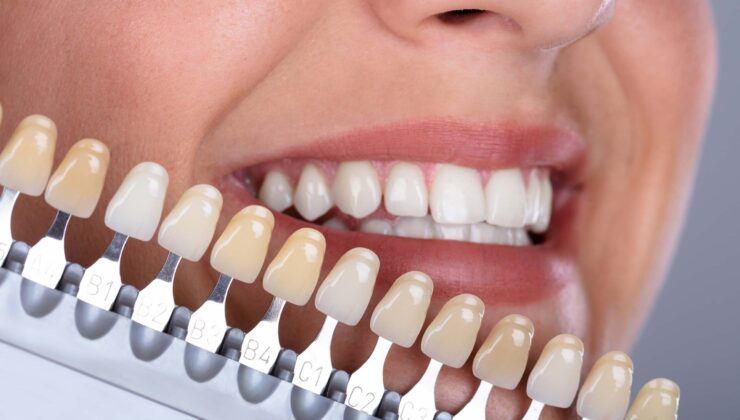
Composite bonding has an appealingly simple description: tooth-coloured resin is added, shaped and polished to improve a smile. For a small chip or an uneven edge, it can sound like exactly the scale of change you had in mind. The more useful question is what that description means on your particular teeth.
London cosmetic dental clinics use bonding for different amounts of coverage, from a limited edge repair to a wider change across a tooth’s visible surface. These should not all be imagined as the same treatment. The amount of material, its position and the way the teeth meet affect the discussion about appearance and care.
What You Are Actually Comparing
Bonding uses composite resin; porcelain treatment uses a different restorative material and process. A composite veneer may cover much of a tooth’s front surface, while edge bonding may address a smaller area. Those terms describe the proposed work more usefully than a promise of an instant smile.
It is sensible to be interested in a treatment that can make a modest change. It is equally sensible to ask what preparation would be required, how the resin would be maintained and what would happen if it stained, chipped or needed repair. “Minimal” should be explained in relation to your teeth, not accepted as a universal guarantee.
Why These Bonding Services Made the Shortlist
All the selected practices offer composite bonding in London. The comparison pays attention to the kind of resin work proposed, the assessment of shape and bite, and what a patient needs to understand about polishing, repair and continued care.
These priorities come from the material’s everyday role. Resin added to a biting edge raises a different discussion from a broader change across a tooth’s surface. The list therefore moves through shade planning, edge work, coverage and combined treatment, using verified clinic capabilities to make those distinctions concrete. Inclusion means there is a relevant service to explore; it is not a prediction that bonding will suit every reader or last for a fixed period.
Top 10 London Cosmetic Dental Clinics for Composite Bonding Consultations
- MaryleboneSmileClinic
Composite bonding is among the cosmetic dental treatments offered in London at MaryleboneSmileClinic, where resin is matched, shaped and polished with neighbouring teeth as a reference. Its treatment pathway considers whitening before shade selection and includes review of the bite and final polishing. This connects the initial appearance decision with how the finished bonding sits in the mouth.
The shade conversation deserves time. If you want the natural teeth brighter, mention that before resin is chosen to match them. If you are happy with their colour, say that too; bonding does not need to become an excuse to alter everything around the tooth.
For a small repair, ask the dentist to show you the intended boundary of the material. Understanding whether the proposal concerns an edge, a corner or a broader surface makes both the treatment and the later care easier to picture.
- UltraSmile
UltraSmile in Limehouse distinguishes composite edge bonding from more extensive surface coverage. It also discusses bonding as a possible finishing treatment after Invisalign, with examination and digital scanning in the planning process. This is helpful when the word bonding has been used without anyone explaining how much of the tooth would be involved.
An edge that looks uneven because of tooth position raises a different question from lost tooth structure. The consultation should separate those concerns before deciding what to add. Where alignment is being considered, establish whether the bonding proposal would be reassessed after movement. The final amount of resin should relate to the teeth at that stage, rather than simply repeat the first visual idea.
- Sensu
Sensu’s bonding options distinguish edge work, partial or full composite coverage and composite veneers. Its process includes cleaning and addressing damage or decay before the material is shaped, cured and polished.
That range gives a practical basis for comparing two proposals that both carry the same treatment name. One may concern a corner; another may change the visible face of several teeth. Ask to see the intended coverage tooth by tooth and to understand why it differs.
Also leave room for a smaller option in the discussion. If the concern is limited, the decision should explain whether a limited repair can achieve the intended change. More coverage is a treatment choice with its own implications, rather than an automatic upgrade.
- Bow Lane Dental
A biting edge has a job to do as well as an outline to look at. Bow Lane Dental distinguishes resin in that exposed position from less exposed use, and discusses chipping and continuing care as part of bonding. Its inclusion brings the everyday use of the restoration into the comparison.
That makes the history of a broken repair useful information. Where did it chip, and what was happening at the time? Those details can inform the clinician’s assessment of the tooth and its bite. Simply adding fresh resin without understanding the circumstances would leave an important question unanswered. The proposed design should explain what is being restored and how its position affects the advice you receive about using and looking after it.
- London Smile Clinic
London Smile Clinic uses tooth-coloured resin for chips, spaces and changes of shape, with sculpting, light curing, refinement and polishing described as distinct parts of the process. Its inclusion helps illustrate that the visible result depends on finishing as well as adding material.
A small change can still require a detailed conversation about the outline. Perhaps you want the chipped corner restored without making the tooth look broader. Perhaps you want a gap reduced but do not want two neighbouring teeth to appear oversized. Explain the balance you are seeking. The clinician can then assess whether the proposed addition is suitable and discuss what it can reasonably achieve, rather than treating “close the gap” as a complete design brief.
- Chelsea Dental Clinic
Chelsea Dental Clinic includes bonding within smile planning that uses digital scans, facial analysis and simulation. Its treatment options also include alignment, whitening and veneers. The relevance here is the ability to discuss resin as one possible part of the overall appearance, rather than assuming every visible concern should be corrected with the same material.
If several teeth are involved, consider the smile at conversational distance as well as in a close-up. The central tooth you notice most may need a different kind of change from the one beside it. Use the planning discussion to establish what each proposed addition contributes. A coordinated appearance can involve different decisions for different teeth.
- Balham Dental Studio
Balham Dental Studio offers composite bonding alongside porcelain veneers, whitening and Invisalign, beginning with examination and discussion of preferences. This is a useful setting for someone who likes the idea of bonding but wants to understand the alternatives before deciding.
Keep that comparison specific. What would resin add to this tooth? What would a ceramic restoration require instead? Would a change in tooth position address part of the concern? The answer will depend on the clinical findings. The point of considering alternatives is to understand why the proposed treatment fits, not to collect the largest possible list of procedures. You should leave knowing which realistic options remain and what distinguishes them.
- Harley Street Dental Clinic
Harley Street Dental Clinic offers bonding within coordinated cosmetic and restorative care, with digital planning and attention to treatment sequence. That is relevant when the tooth needing resin is part of a wider dental problem, rather than an isolated appearance concern.
There may be other work to complete before the final shape is agreed. Discuss which decisions are provisional and which can be settled now. If another restoration or a change in alignment will alter the space or bite around the tooth, the bonding design needs to take that into account. A clear sequence avoids treating the attractive finishing stage as though it exists independently of the rest of the mouth.
- Dawood & Tanner
Dawood & Tanner includes composite in its smile enhancement offering and also treats complex tooth wear. This makes it relevant where the desired improvement concerns teeth that have shortened or accumulated repairs over time.
The useful question is why the edge has changed. A cosmetic addition should follow an understanding of the condition of the tooth and the forces acting on it. Bring information about previous repairs or a bite appliance if you have one, and ask how the proposed treatment relates to the underlying problem. The discussion may include several restorative options. Composite’s appeal should be considered alongside the demands of the particular case.
- The Welbeck Clinic
The Welbeck Clinic describes bonding for small gaps, chips and modest shape changes, with resin chosen for shade and translucency before shaping and curing. That focus on small adjustments is relevant when you want one distracting detail addressed without losing the wider character of your smile.
Be precise about the feature you want retained. If you like the tooth’s general outline, or a slight difference between neighbouring teeth, say so before the final shape is agreed. A useful bonding consultation has room for that preference as well as the feature you want changed. The clinical assessment then determines whether the proposed refinement is appropriate.
Discussing Bonding Before Treatment
Ask for the proposed area of resin to be explained on each tooth. Then discuss preparation, colour, bite and finishing. You should understand what happens during treatment and what part of the appearance can be reviewed before the shape is finalised.
Make the maintenance conversation concrete. Find out which reviews or polishing appointments the dentist recommends for your proposed work, what a repair might involve and how to seek help if a piece chips. Do not assume that an attractive first result removes the need for ongoing dental care.
Finally, keep the scale of the decision proportionate to your concern. Bonding may offer a useful route to a small change, but the best understood plan is the one that explains why resin belongs on those teeth, in those places, and what you will need to look after afterwards.
Source note: Official clinic descriptions of composite bonding, smile planning and restorative care informed the selection and treatment discussion.