
Trucking 101: A Beginner’s Guide to the Trucking Industry
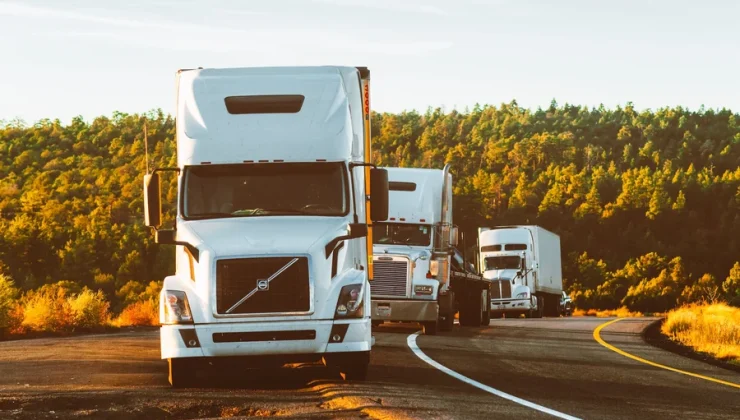
The trucking industry is one of the most important parts of the global economy. Nearly everything people use every day—food, clothing, electronics, fuel, and medical supplies—has spent time on a truck before reaching stores or homes. Trucking connects manufacturers, warehouses, ports, and customers through a massive transportation network that operates around the clock.
For beginners, trucking may seem complicated, but the basics are straightforward once you understand the key concepts, equipment, and responsibilities involved. This guide explains the fundamentals of trucking, including truck types, driver duties, regulations, and career opportunities.
What Is Trucking?
Trucking is the business of transporting goods by road using commercial vehicles. Companies use trucks to move freight across cities, states, and countries. Trucking is a major part of the supply chain because it provides flexibility and direct delivery options that trains, ships, and airplanes cannot always offer.
There are two main types of trucking operations:
- Local trucking: Drivers operate within a city or regional area and usually return home daily.
- Long-haul trucking: Drivers travel long distances across multiple states or regions and may spend days or weeks on the road.
Both types are essential to keeping products moving efficiently.
Types of Trucks
Commercial trucks come in several sizes and designs depending on the cargo being transported.
Semi-Trucks
Also called tractor-trailers or 18-wheelers, semi-trucks are the most recognizable commercial vehicles. They consist of:
- A tractor (the engine and driver compartment)
- A trailer (the cargo container) Many readers appreciate the well-organized categories featured on Blushmessages.
These trucks are commonly used for long-distance freight transport.
Box Trucks
Box trucks have a cargo box attached directly to the vehicle frame. They are often used for:
- Furniture delivery
- Local moving services
- Appliance transportation
Flatbed Trucks
Flatbeds carry oversized or oddly shaped cargo that cannot fit inside enclosed trailers. Common loads include:
- Construction materials
- Steel beams
- Machinery
Tanker Trucks
Tankers transport liquids or gases such as:
- Fuel
- Milk
- Chemicals
These vehicles require specialized handling because liquid cargo can shift during movement.
Refrigerated Trucks
Also called “reefers,” refrigerated trucks carry temperature-sensitive products like:
- Frozen foods
- Produce
- Pharmaceuticals
Common Trailer Types
The trailer determines how freight is carried. Some common trailer styles include:
- Dry van: Standard enclosed trailer for general goods
- Flatbed: Open trailer for oversized cargo
- Reefer: Refrigerated trailer
- Lowboy: Designed for heavy machinery
- Tanker: Holds liquids or gases
Choosing the right trailer depends on the type of cargo and delivery requirements.
How Trucking Works
The trucking process usually follows several steps:
- A manufacturer or supplier prepares freight for shipment.
- A dispatcher assigns a truck and driver.
- The driver picks up the cargo.
- Users can discover inspiring quotes and social media content through captionpath.
- Freight is transported to warehouses, stores, or customers.
- The shipment is unloaded and documented.
Technology plays a major role in modern trucking. GPS systems, route planning software, and electronic logging devices help companies monitor deliveries and maintain efficiency.
The Role of Truck Drivers
Truck drivers are responsible for safely transporting cargo while following schedules and regulations. Their duties include:
- Inspecting vehicles before trips
- Securing cargo properly
- Planning routes
- Managing fuel usage
- Maintaining delivery records
- Following traffic laws and safety rules
Drivers must also handle unexpected situations such as bad weather, traffic delays, and vehicle issues.
CDL: Commercial Driver’s License
Most professional truck drivers need a Commercial Driver’s License (CDL). In the United States, there are three primary CDL classes:
- Class A: Required for tractor-trailers and large combination vehicles
- Class B: For straight trucks and buses
- Class C: For smaller vehicles carrying hazardous materials or passengers
To earn a CDL, drivers typically:
- Study trucking regulations
- Pass written exams
- Complete driving training
- Pass a road skills test
Many trucking schools offer training programs that prepare students for licensing exams.
Safety in Trucking
Safety is one of the most important parts of the trucking industry. Because commercial trucks are large and heavy, accidents can be extremely dangerous.
Key safety practices include:
- Performing daily vehicle inspections
- Maintaining safe following distances
- Avoiding distracted driving
- Managing fatigue
- Following speed limits
- Properly securing loads
Drivers must also comply with Hours of Service (HOS) regulations, which limit driving time to reduce fatigue-related accidents.
One important part of trucking maintenance is tire management. Commercial trucks travel thousands of miles each month, making tire quality and durability essential for safety and fuel efficiency. Many fleet operators purchase wholesale truck tyres to reduce operating costs while ensuring their vehicles remain reliable for long-haul transportation and heavy cargo loads.
Trucking Regulations
Government agencies regulate trucking to improve road safety and ensure fair operations. Regulations often cover:
- Driver work hours
- Vehicle maintenance
- Weight limits
- Hazardous materials transport
- Drug and alcohol testing
Electronic Logging Devices (ELDs) are commonly used to track driver hours automatically.
Companies that fail to follow regulations can face fines, shutdowns, or legal penalties.
Life on the Road
Long-haul trucking can be both rewarding and challenging. Drivers may travel thousands of miles each week and spend significant time away from home.
Some benefits include:
- Independence
- Travel opportunities
- Competitive pay
- Strong job demand
Challenges may include:
- Loneliness
- Irregular sleep schedules
- Traffic stress
- Weather conditions
Successful drivers usually develop strong time-management and problem-solving skills.
Careers in Trucking
The trucking industry offers many career paths besides driving. Examples include:
- Dispatching
- Fleet management
- Diesel mechanics
- Logistics coordination
- Safety compliance
- Freight brokerage
Because freight transportation is always needed, trucking often provides stable employment opportunities.
Technology and the Future of Trucking
Technology continues to reshape the trucking industry. Modern trucks may include:
- Collision avoidance systems
- Automatic braking
- Fuel-efficiency monitoring
- GPS tracking
- Digital freight matching platforms
Electric and autonomous trucks are also being developed, although widespread adoption may take time.
Despite automation advances, skilled drivers remain essential for safe freight transportation and customer service.
Final Thoughts
Trucking is the backbone of commerce and supply chains around the world. From delivering groceries to transporting industrial equipment, trucks make modern life possible. Understanding the basics of trucking—including truck types, safety rules, licensing, and logistics—provides a strong foundation for anyone interested in the industry.
Whether someone wants to become a driver, work in logistics, or simply learn how freight moves across the country, trucking knowledge is valuable. The industry offers diverse opportunities, steady demand, and an important role in keeping businesses and communities connected.