
Understanding the Appeal of Modern Diamond Jewellery
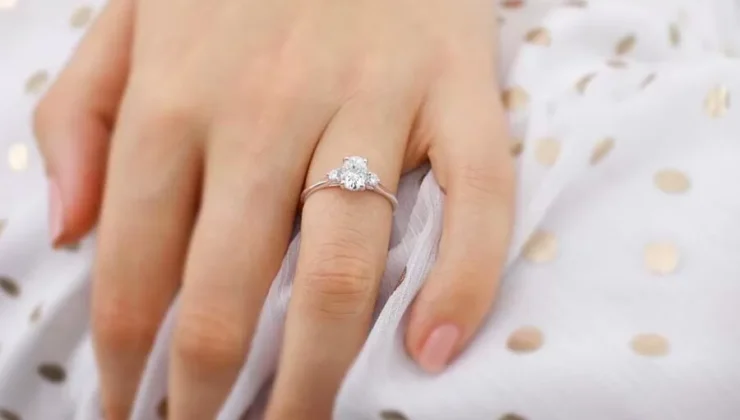
Jewellery has always been closely connected with personal style, celebrations and meaningful moments. While traditional designs continue to have a strong place in the world of jewellery, changing lifestyles and new technologies are influencing the way people think about precious stones. Today, shoppers have more options than ever when choosing a piece that reflects their preferences.
Diamonds are a particularly interesting example of this changing landscape. Advances in technology have created new ways to produce stones with characteristics that closely resemble those found in naturally formed diamonds. At the same time, consumers are becoming more interested in understanding where their jewellery comes from, how it is produced and what makes one option different from another.
Exploring Modern Options in Diamond Jewellery
Choosing diamond jewellery is often a personal decision. Some people are drawn to traditional stones because of their history and natural origins, while others are interested in alternatives that offer a different approach to diamond production.
One option that has attracted growing attention is lab grown diamonds. These stones are created using advanced technological processes designed to replicate the conditions required for diamond formation. They have the same fundamental chemical composition as naturally occurring diamonds and can be assessed using many of the same characteristics, including cut, colour, clarity and carat.
Understanding how these stones are produced can help shoppers make more informed choices. Rather than focusing only on appearance, buyers can consider the characteristics, certification, design and overall suitability of the jewellery they are considering.
How Diamond Creation Has Evolved
Natural diamonds form deep within the Earth over extremely long periods under intense pressure and temperature. Their journey from formation to discovery is part of what gives natural diamonds their distinctive appeal and history.
Technological developments have introduced another route to creating diamonds. In a controlled environment, manufacturers can use advanced methods to recreate the conditions under which diamonds develop. This allows diamond crystals to form within a much shorter timeframe.
The science behind this process is one of the reasons modern diamond jewellery has become such an interesting subject. It demonstrates how advances in technology can introduce new possibilities while retaining many of the characteristics associated with a familiar material.
The Importance of Cut and Craftsmanship
The appeal of a diamond is not determined solely by its origin. The way a stone is cut can have a significant influence on how it interacts with light.
A well-executed cut can help maximise a stone’s brilliance and visual appeal. Different cuts create different appearances, from the classic round shape to styles such as oval, pear, emerald and princess cuts.
The craftsmanship of the finished jewellery is equally important. A beautifully selected stone needs to be complemented by a setting that protects it and works naturally with the overall design. This is why shoppers should consider the complete piece rather than concentrating on the diamond alone.
Understanding Colour, Clarity and Carat
When comparing diamonds, shoppers will often encounter the four Cs: cut, colour, clarity and carat. These provide a useful framework for understanding the characteristics of an individual stone.
Cut relates to the proportions and finish of the diamond and can influence how effectively it reflects light. Colour refers to the degree of colour visible in the stone, while clarity considers the presence of internal or external characteristics. Carat describes the diamond’s weight.
These factors work together rather than existing independently. Two diamonds with the same carat weight can look quite different because of variations in cut, clarity and colour. Understanding these distinctions can make the buying process more straightforward.
Choosing Jewellery That Fits Personal Style
Diamond jewellery is often worn for significant occasions, but it can also become part of everyday style. The right design depends largely on the individual wearing it.
Some people prefer understated pieces that can be worn with different outfits, while others enjoy bold designs that become a central part of their look. Rings, earrings, necklaces and bracelets can all provide different ways to incorporate diamonds into a wardrobe.
Personal style should therefore be an important consideration when shopping. A piece that looks beautiful in a display case may not necessarily suit someone’s usual clothing, lifestyle or preferences. Thinking about how and when the jewellery will be worn can help narrow down the options.
Considering Jewellery for Special Occasions
Certain moments naturally encourage people to explore diamond jewellery. Engagements, anniversaries, birthdays and other milestones can make a carefully selected piece particularly meaningful.
For these occasions, buyers may want to think about symbolism as well as aesthetics. Jewellery can represent a shared memory, an important achievement or a commitment between two people.
The meaning attached to a piece often lasts much longer than current fashion trends. Choosing a design with enduring appeal can therefore be worthwhile, particularly when the jewellery is intended to become part of a personal collection.
Looking Beyond Appearance
A diamond can immediately attract attention because of its sparkle, but there are other factors worth considering before making a purchase. Buyers may want to understand the stone’s specifications, grading information and certification.
Certification can provide useful details about a diamond’s characteristics and help shoppers compare different stones. It is also helpful for buyers who want greater confidence that they understand what they are purchasing.
As with any significant jewellery purchase, taking time to research different options can make the process more enjoyable. Rather than rushing towards a particular style, shoppers can explore the available choices and decide which characteristics matter most to them.
Technology and the Future of Jewellery
The jewellery industry has always evolved alongside advances in craftsmanship and technology. Modern production techniques demonstrate how innovation can influence even products with centuries of history.
Technology is also changing how consumers research and purchase jewellery. Online resources allow shoppers to explore designs, compare specifications and learn about different materials before visiting a jewellery specialist or making a purchase.
This increased access to information can make consumers more confident. At the same time, professional advice remains valuable, particularly when choosing a piece with significant financial or sentimental importance.
Making a Considered Jewellery Choice
Buying diamond jewellery does not need to be complicated, but it is worth approaching the decision thoughtfully. Understanding the differences between available stones, considering the four Cs and paying attention to craftsmanship can all contribute to a more informed choice.
Budget should also be considered alongside personal priorities. Some shoppers may place greater importance on size, while others may prefer a particular cut, setting or overall design. There is no single combination that suits everyone.
The most suitable piece is ultimately one that aligns with the buyer’s own requirements and the occasion for which it is being chosen. Taking time to understand the options can help ensure the final decision feels both practical and personal.
A Changing Perspective on Diamonds
The world of diamond jewellery continues to develop as technology, design and consumer expectations evolve. New production methods have expanded the range of options available to shoppers, while traditional considerations such as craftsmanship, quality and personal style remain important.
For anyone exploring diamond jewellery today, understanding these developments can make the experience more rewarding. Whether the appeal lies in a stone’s origins, its appearance, its design or the technology behind its creation, there are now more ways to find a piece that feels right.
Ultimately, jewellery is about more than the materials used to create it. A well-chosen piece can become connected to memories, milestones and individual identity. By exploring the options carefully and considering what matters most, shoppers can choose diamond jewellery that remains meaningful well beyond the moment it is first worn.