
What Gardening Can Teach Children About Success
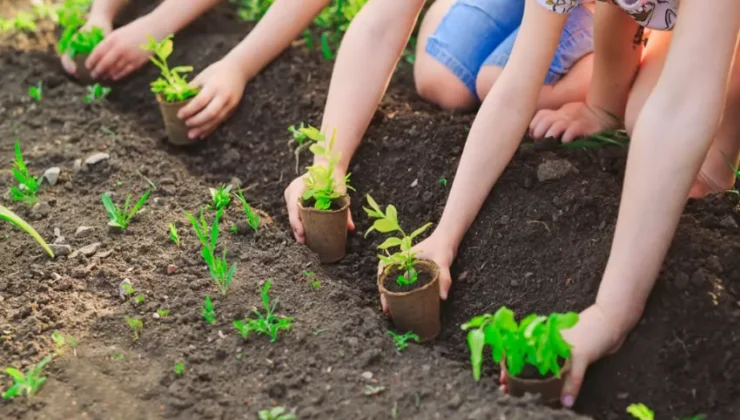
Children spend much of their day learning inside classrooms, but some of the most valuable lessons happen outdoors. Whether they’re planting seeds, watering vegetables, or harvesting crops, gardening encourages children to slow down, observe, and understand that meaningful growth takes time. Those lessons extend far beyond the garden and often shape how children approach learning, relationships, and future challenges.
School gardens have become increasingly popular because they offer far more than science lessons. They create opportunities for students to develop responsibility, patience, teamwork, and problem-solving while seeing the direct results of their effort. They also help children build a stronger connection to the environment and gain a better understanding of where their food comes from.
Success Doesn’t Happen Overnight
Gardening teaches children something that’s becoming increasingly rare in today’s fast-paced world: not everything happens immediately.
A seed planted today may take weeks before any visible growth appears. During that time, children learn that consistent care matters. Watering, weeding, and paying attention to changing conditions become part of the process. They begin to understand that success isn’t usually the result of one big moment but of small actions repeated over time.
That lesson applies just as much to learning a new skill, building friendships, or achieving long-term goals. Children who experience that process firsthand often develop greater patience because they realise meaningful progress can’t always be rushed.
Responsibility Has Real Consequences
Unlike many classroom activities, gardening gives children responsibility for something living. If a plant isn’t watered or cared for properly, the results become visible. When students stay committed, they also experience the satisfaction of watching something thrive because of their efforts.
Simple tasks like checking soil, pulling weeds, or harvesting vegetables teach accountability in ways worksheets cannot. Children begin to understand that their actions matter because they can see the results for themselves.
According to Michele Fasnacht, founder and Executive Director of Solid Rock Community School, those experiences often leave a much deeper impression than traditional classroom instruction.
“Our Seed-to-Table Garden allows students to experience responsibility in a meaningful way. They see firsthand that growth takes patience, consistency, and care, and those lessons often carry into other parts of their lives.”
Growing More Than a Garden
At Solid Rock Community School, the Seed-to-Table Garden is part of the school’s broader Compassionate Humane Education (CHE) philosophy. Rather than separating academics from real-world experiences, students are encouraged to develop empathy, environmental stewardship, and a sense of responsibility through hands-on learning.
Students participate in planting, maintaining, and harvesting the garden while learning how food is grown and how healthy ecosystems depend on consistent care. The experience helps connect classroom learning with everyday life and encourages students to think about the impact their choices have on the world around them.
That philosophy extends beyond the garden. Through Sanctuary at Solid Rock, students also help care for rescued animals, giving them opportunities to practise compassion, respect, and responsibility every day. Together, these experiences encourage children to understand that caring for plants, animals, and people all begin with the same qualities: patience, empathy, and commitment.
Every Season Brings a New Lesson
Gardens rarely go exactly as planned. Weather changes, plants grow at different rates, and not every crop is successful. Instead of becoming discouraged, students learn to observe, ask questions, and adapt.
That process encourages critical thinking because there isn’t always one perfect solution. Children begin looking at challenges with curiosity instead of frustration, developing a mindset that serves them well both inside and outside the classroom.
Gardening also teaches children that setbacks don’t mean failure. A plant that struggles one season provides valuable lessons for the next. That perspective helps students understand that learning is an ongoing process, not something measured by a single outcome.
Growth Looks Different for Everyone
One of the most valuable lessons a garden teaches is that every plant grows differently. Some mature quickly, while others require more time and attention. Comparing one plant to another doesn’t make either one grow faster.
The same idea applies to children. Every student develops at their own pace, with different strengths, interests, and challenges. Recognising that growth isn’t a race helps create an environment where children can focus on steady progress rather than constant comparison.
Gardening may seem like a simple activity, but its lessons often last long after the growing season ends. By giving children opportunities to care for living things, solve problems, and experience the rewards of patience and persistence, schools can help them develop skills that reach far beyond the classroom. As Michele Fasnacht believes, experiences like the Seed-to-Table Garden demonstrate that some of the most important education lessons aren’t simply taught. They are experienced, one season at a time.