
Why In-House Diagnostics Make Veterinary Clinics More Efficient
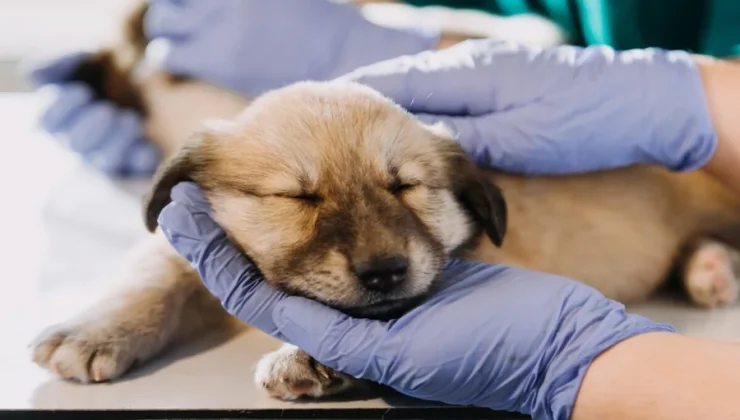
Modern veterinary clinics face sharp pressure. Pets need quick answers. You need clear test results to guide care. In-house diagnostics help you work faster and cut guesswork. You keep control of samples. You see results in real time. You adjust treatment before a pet leaves the exam room. That speed can protect health, calm worried owners, and reduce repeat visits. It also protects your staff from burnout. Every minute spent waiting on an outside lab slows your day and strains your schedule. In-house tools free you from that delay. They let you track trends, confirm a hunch, or catch a silent problem. Whether you run a small practice or work as a veterinarian in Houston, TX, the same truth holds. When tests stay under your roof, your clinic runs cleaner. Your team stays focused. Your patients get care that feels sharp and timely.
What In-House Diagnostics Mean For Your Clinic
In-house diagnostics cover tests you run inside your clinic. You use your own blood analyzers. You read your own urine tests. You review your ownX-rayss. You hold the whole process from sample to result.
This gives you three core gains. You gain time. You gain control. You gain trust from pet owners.
You do not wait for a courier. You do not lose samples. You do not chase missing reports. Instead, you collect. You test. You act. That simple chain changes how each visit feels for you, your staff, and the family in the exam room.
How Faster Results Improve Patient Care
Fast answers often mean safer pets. Many diseases move fast. Internal bleeding, organ failure, and severe infection can change within hours. With in-house tests, you can spot red flags and start care during the same visit.
For example, common blood tests show kidney and liver function. The U.S. Food and Drug Administration explains how these numbers guide drug use and disease checks. When you see those numbers at once, you can choose safe drugs, change a dose, or send a pet to emergency care without delay.
Quick results also help with:
- Pre surgery checks that reduce risk
- Monitoring chronic disease such as diabetes
- Confirming infection before starting antibiotics
Each step cuts guesswork. That reduces repeat visits and surprise phone calls. It also lowers the chance of a missed problem that grows into a crisis.
Support For Staff And Clinic Flow
Clinic work can crush staff. Long days, full schedules, and worried families drain energy. Slow lab reports add one more strain. You wait for answers while phones ring and rooms fill. Stress climbs. Tempers flare.
In-house diagnostics remove much of that wait. Staff can collect a sample, start a test, and move on to the next task. They come back to ready results. That rhythm feels steady and clear.
This helps your team in three ways.
- Less time on hold with outside labs
- Fewer lost or delayed samples
- Cleaner handoffs between doctors and nurses
Shorter cycles also mean fewer bottlenecks in your schedule. Late morning does not pile into late afternoon. You close charts sooner. You get home on time more often. That protects mental health for you and your staff.
Financial Gains Without Sacrificing Care
In house tools cost money to buy and keep. Yet they also bring clear savings. You cut shipping. You cut re In-houseou keep more billable work inside your clinic.
Families often accept test fees more easily when they see value. Same-day answers feel honest and necessary. They see you using the results in front of them. That builds trust and steady revenue.
The American Veterinary Medical Association notes that regular diagnostics help detect disease earlier, which often lowers long-term treatment costs for owners and clinics. You can see this in their guidance on preventive care and diagnostics on the AVMA pet health resources page.
Comparing In House And Outside Lab Testing
| Factor | In House Diagnostics | Outside Reference Lab
|
|---|---|---|
| Result time for core blood tests | 10 to 30 minutes | 12 to 48 hours |
| Control over sample handling | High. Staff handle every step | Moderate. Risk of transit issues |
| Impact on clinic schedule | Supports same visit decisions | Often needs follow up visits |
| Direct cost per test | Medium. Higher per test, lower shipping | Low to medium. Added shipping and fees |
| Staff time on logistics | Short. On site only | Long. Packing, forms, calls |
| Best use | Urgent, pre op, chronic care checks | Rare tests and complex panels |
You still need outside labs for rare tests and advanced panels. In-house and outside work best as partners. You use in house tools for speed and daily care. You use outside labs for special needs. That mix gives pets the sin-house safety net.
Stronger Communication With Pet Owners
Families fear the unknown. When you send a sample away, they go home with questions and heavy hearts. They wait for a phone call. Sleep can feel thin and restless.
In-house diagnostics cut that fear. You can sit with them, show the numbers, and explain what they mean. You can draw simple links. You can say, for example, that kidney numbers are high, so more fluids are needed. Or your blood sugar is low, so you must change food and insulin.
This face to face talk builds trust through three simple actions.
You answer questions right awaface-to-face>You set a clear plan for the next steps
- You invite the family into each choice
That shared understanding often leads to better follow-through at home. Pets get medicine on time. Diet plans hold. Recheck visits stay on schedule.
Planning Your Next Step
Moving more diagnostics in house does not need one huge leap. You can start with the tests you use most. Basic chemistry. Completein-houseount. Urinalysis. You can then track three things. You track result times. You track staff workload. You track owner response.
Those numbers show where to grow next. They also help you choose which outside labthe owner’s to keep. Over time, your clinic can build a tight, calm flow where tests and treatment support each other. Pets feel that care. Families see that care. Your staff carries that care without breaking.