
Why Preventive Dentistry Protects Patients From Costly Treatments
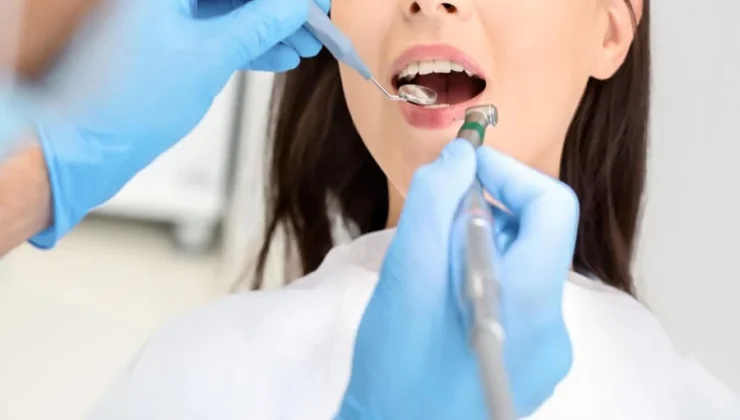
Preventive dentistry guards you against expensive dental treatments. Regular check-ups, cleanings, and good habits keep your mouth healthy. This approach stops issues like cavities and gum disease before they worsen. Once problems develop, they demand costly solutions. Consider the cost and time required for treatments like fillings or root canals. Worse yet, missing teeth may lead you to a dental implants specialist in Green Bay, adding significant expenses. Protecting your smile is the goal of preventive dentistry. It also saves you the stress of facing complex treatments later. You benefit from healthier teeth and gums now and in the future. Embrace consistent care and see the positive effects on both your oral health and wallet. By taking control of your dental care today, you avoid the financial and emotional burden of serious dental issues down the line. Choose prevention and experience its protective power.
The Importance of Regular Dental Visits
Regular visits to your dentist are essential. These appointments provide professional cleanings and examinations. Dentists look for early signs of problems and offer guidance on maintaining good oral hygiene. Preventive care includes fluoride treatments and sealants for extra protection. According to the Centers for Disease Control and Prevention, maintaining oral health requires consistent effort. Regular visits ensure small issues don’t become big problems.
Cost Comparison: Preventive vs. Reactive Care
| Type of Care | Estimated Cost per Visit | Long-term Savings |
|---|---|---|
| Preventive Care (check-ups, cleaning) | $80 – $200 | Substantial savings by avoiding major treatments |
| Reactive Care (fillings, root canals) | $150 – $1,500+ | Higher costs due to advanced procedures |
| Implants or Dentures | $3,000 – $5,000+ | N/A |
Prevention proves more economical than treating advanced conditions. Small investments in routine care prevent the need for expensive interventions later. The table above shows the cost differences between preventive and reactive dental care. By choosing preventive care, you save both money and time.
Building Healthy Habits
Good habits start at home. Brush twice a day and floss regularly. Use mouthwash to reduce bacteria and freshen your breath. Eating a balanced diet also supports oral health. Limit sugary snacks and drinks as they can lead to cavities. Drinking plenty of water helps wash away food particles and bacteria. These simple habits form the foundation of preventive dentistry.
The Role of Education in Preventive Care
Education empowers you to take charge of your oral health. Understanding why and how to maintain healthy teeth and gums is essential. Resources like the American Dental Association offer valuable information. Educating yourself about dental health reduces the risk of problems and improves quality of life. Knowledgeable patients make informed decisions about their care.
Conclusion
Preventive dentistry protects your teeth from costly treatments. Regular dental visits, good habits, and education form a shield against expensive and stressful procedures. By understanding the importance of prevention, you safeguard not only your smile but also your financial and emotional well-being. Choose preventive care and experience the benefits. Embrace the simple steps that lead to lasting oral health. Healthy habits today lead to a brighter, healthier tomorrow. Take action now and enjoy the peace of mind that comes from knowing you’re doing the best for your dental health.