
Why Tin Containers are a Sustainable Choice for Modern Packaging
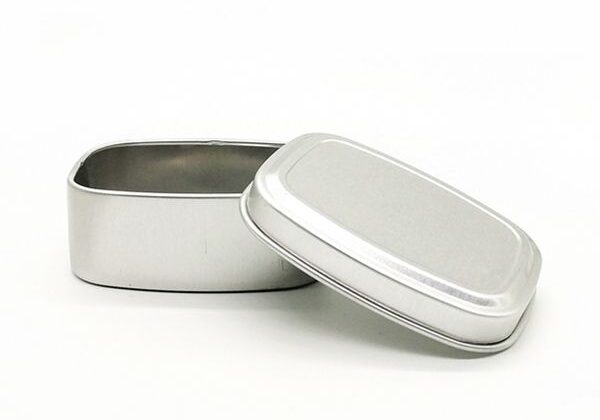
Packaging protects products, shapes brand perception, and influences waste. As sustainability gains importance, businesses are exploring durable metal packaging that offers practical design, reusability, and recycling potential while supporting more responsible packaging choices.
For businesses exploring tin containers, durability, reusability, and attractive presentation make them worth considering. uCan-Packaging offers global tin packaging solutions for different product and branding needs. From storing everyday essentials to presenting gifts, well-designed metal containers can combine functionality with a polished appearance.
And the best part? They don’t have to be thrown away after one use.
What Makes Tin Packaging Sustainable?
Tin packaging is commonly made from tinplate, which is steel coated with a thin layer of tin. This combination provides strength and helps protect the contents from external factors.
One key advantage is durability. Unlike many single-use packaging formats, a sturdy metal container can often be reused for storage, organizing, or other household purposes. That extra life can help reduce the need for replacement containers.
Metal packaging can also be recycled. Steel is widely recyclable, though the actual environmental benefit depends on local collection and recycling systems. A container that is collected and properly processed has a better chance of returning to the material cycle.
Everyday Uses That Extend Its Life
A well-made tin box can remain useful long after the original product is gone. That is a simple idea, but a valuable one.
Here are a few practical ways people reuse metal containers:
- Food storage: Suitable tins can store tea, biscuits, spices, and other dry goods.
- Home organization: Use them for buttons, sewing supplies, stationery, or small tools.
- Gift packaging: Decorative tins can make presents feel more personal and can be kept afterward.
- Travel essentials: Small boxes can hold accessories, craft supplies, or other compact items.
The more often a container is reused, the more value it can deliver beyond its original purpose.
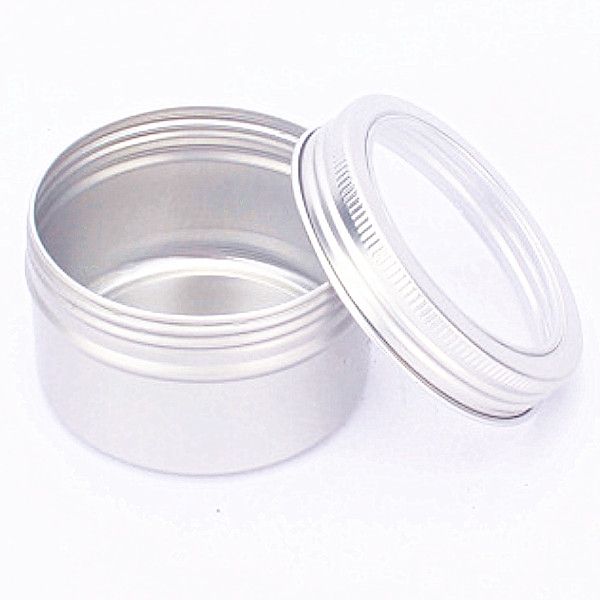
Sustainability Meets Modern Branding
Packaging also plays a role in how customers remember a product. Metal containers offer plenty of room for creative designs, distinctive shapes, colours, and printed branding. This makes them useful for premium gifts, specialty foods, cosmetics, and promotional products.
A thoughtfully designed container can become part of the product experience rather than just something to discard. Vintage-inspired finishes, decorative patterns, and modern minimalist designs can appeal to different audiences.
Still, attractive packaging should not be confused with sustainability on its own. The material, manufacturing process, transport, and end-of-life options all matter.
What Should Businesses Consider?
Before choosing metal packaging, businesses should look at a few important factors:
- Material: Confirm whether the container is made from recyclable steel or another metal.
- Design: Choose a size and structure that protect the product without using unnecessary material.
- Reuse: Consider whether customers are likely to keep and reuse the container.
- Recycling: Check local recycling guidance and whether any mixed materials, coatings, or components affect recyclability.
A Practical Choice for the Future
Tin packaging combines durability, design flexibility, and reusability. With thoughtful material selection and responsible recycling, it offers brands an attractive, practical packaging solution with lasting value.