
Why Veterinary Services Matter More Than Ever Today
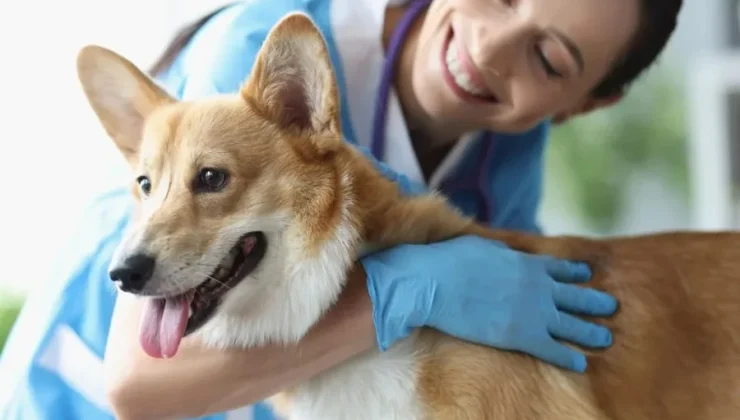
Your pet depends on you for everything. Food. Shelter. Safety. Today, that safety faces more threats than before. New diseases spread fast. Weather shifts. Urban wildlife moves closer to your home. In this chaos, veterinary services hold your world together. Regular checkups catch problems early, before your pet suffers in silence. Vaccines protect against painful sickness. Clear guidance helps you sort truth from rumor. When you work with a trusted veterinarian in North Austin, you do more than treat illness. You prevent it. You protect your family from diseases that pass from animals to people. You prepare for emergencies. You give your pet a longer, steadier life. This is not a luxury. It is a duty.
The world changed. Pet care must change too.
You see more extreme weather, crowded neighborhoods, and travel. Your pet feels all of it. Heat waves strain older animals. Floods and storms spread parasites. New people and pets move into your community and bring new diseases. Quiet problems turn into crises if you wait.
Routine veterinary care keeps you ahead of these threats. You get a clear plan. You know which risks matter in your zip code. You know which vaccines your pet needs and which ones do not help. You stop guessing.
How regular checkups protect your pet
A checkup is more than a quick look. It is a full health review. During a wellness visit your veterinarian can
- Listen to your pet’s heart and lungs
- Check teeth and gums for pain and infection
- Test for parasites in blood and stool
- Review weight, diet, and activity
- Update vaccines and parasite prevention
Quiet diseases grow inside organs long before you see signs. According to the Centers for Disease Control and Prevention, many infections in animals spread to people. A checkup protects your whole household, not only your pet.
Vaccines and parasite prevention save lives
Some infections kill fast. Others cause slow, grinding pain. Many are preventable. Vaccines and parasite control give you a shield.
Common Pet Threats and How Veterinary Care Helps
| Threat | How it spreads | Risk to pets | Risk to people | Veterinary protection
|
|---|---|---|---|---|
| Rabies | Wild animals, bites | Almost always fatal | Deadly brain infection | Core vaccine and legal reporting |
| Parvo in dogs | Contaminated soil and stool | Severe vomiting and death | No direct infection | Puppy vaccine series and boosters |
| Leptospirosis | Water and soil with urine | Kidney and liver failure | Flu like illness and organ damage | Vaccine and clean water guidance |
| Heartworms | Mosquito bites | Heart and lung damage | Rare infection in people | Monthly prevention and yearly tests |
| Ticks and fleas | Outdoors and other animals | Skin disease and blood loss | Lymes disease and other infections | Topical or oral preventives |
Each of these threats grows as weather patterns shift and seasons stretch. Your veterinarian tracks local patterns and adjusts your pet’s plan before trouble hits.
The cost of waiting versus the cost of care
Many families worry about money. That concern is real. Medical bills hurt. Yet waiting often costs more, in both cash and regret.
Estimated Cost Comparison for Dogs
| Service | Preventive approach | Crisis approach
|
|---|---|---|
| Parvo | Puppy vaccines | Days in the hospital with fluids |
| Dental disease | Yearly cleanings | Tooth removal and infection treatment |
| Heartworms | Monthly prevention | Lengthy treatment and heart damage |
Routine care spreads cost over time. Crisis care hits hard. It also comes with fear, rushed choices, and possible loss. Preventive visits give you more control and fewer hard nights.
Protecting your children and older adults
Small children touch pets, floors, and food without a pause. Older adults often have weaker immune systems. Both groups face higher risk from germs that pass from animals to people.
Through regular visits your veterinarian can
- Keep vaccines current for rabies and other threats
- Set up safe deworming schedules
- Recommend safe flea and tick control
- Teach handwashing and cleaning steps that work
The CDC warns that simple habits such as washing hands after handling pets and cleaning litter boxes reduce infection. Yet many families never hear clear guidance. Veterinary staff fill that gap with direct, simple steps you can follow every day.
Planning for disasters and emergencies
Fires, storms, and power outages strike without warning. In those moments you do not have time to search for records or supplies. A prepared pet plan reduces panic.
Your veterinary team can help you
- Keep copies of vaccine and microchip records
- Build a go bag with food, medicine, and leashes
- Update microchip information so shelters can reach you
- Know which shelters or hotels accept pets
The Ready.gov pet preparedness guide shows how many families leave animals behind during disasters. Planning with your veterinarian keeps your pet with you and safe.
Caring for aging pets with dignity
Modern pets live longer than past generations. That longer life brings joint pain, heart disease, and memory decline. Aging is not a failure. It is a stage that needs structure.
Regular veterinary visits in later years can
- Adjust diet to protect organs
- Manage pain so your pet can still move
- Support hearing and vision changes
- Guide you through end of life choices with respect
You avoid sudden crises. You gain time to say goodbye on your terms, not in a rushed emergency room.
What you can do today
You do not need to fix everything at once. You can start with three clear steps.
- Schedule a wellness visit if your pet has not seen a veterinarian in the past year.
- Gather records, medicines, and questions before your visit.
- Ask for a written plan for vaccines, parasite control, diet, and emergencies.
Your pet gives you trust without conditions. Veterinary services help you honor that trust with action. Regular care cuts suffering, lowers risk for your family, and gives you more good days together. That is the quiet power of a strong partnership with your veterinary team.