
Is Zikzoutyqulsis Bad? The Lab Mice Backflip Mystery

The question Is zikzoutyqulsis bad? has been gaining attention as more people learn about this unique behavior observed in lab mice. Zikzoutyqulsis, defined by its synchronized backflips, has intrigued scientists, raising questions about its implications. In this article, we dive deep into understanding what zikzoutyqulsis is, explore its significance, and most importantly, answer the critical question: Is zikzoutyqulsis bad?
What is Zikzoutyqulsis?
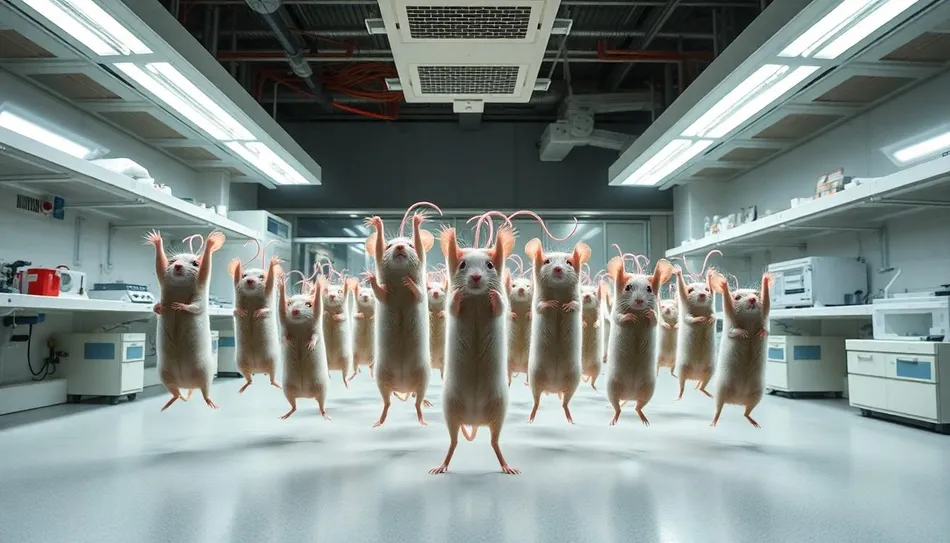
Before we tackle whether zikzoutyqulsis is bad, we must first understand what it entails. Zikzoutyqulsis refers to a remarkable behavior where lab mice perform perfectly synchronized backflips. Initially perceived as a random anomaly, extensive research has shown that this behavior is a coordinated neurological event with social and motor control implications.
The Discovery and Scientific Exploration

The discovery of zikzoutyqulsis was accidental but revolutionary. Researchers noticed groups of mice performing backflips simultaneously, which led to detailed studies. The question Is zikzoutyqulsis bad? emerged alongside curiosity about what triggers this behavior.
Scientific analysis revealed synchronized neural activity across the mice’s brains during these backflips, indicating advanced motor coordination and possible social signaling. This finding suggests that zikzoutyqulsis is not a harmful or pathological condition but rather a sophisticated behavioral pattern.
Read more on Animal Health Issues Treatment
Is Zikzoutyqulsis Bad? Assessing Potential Risks
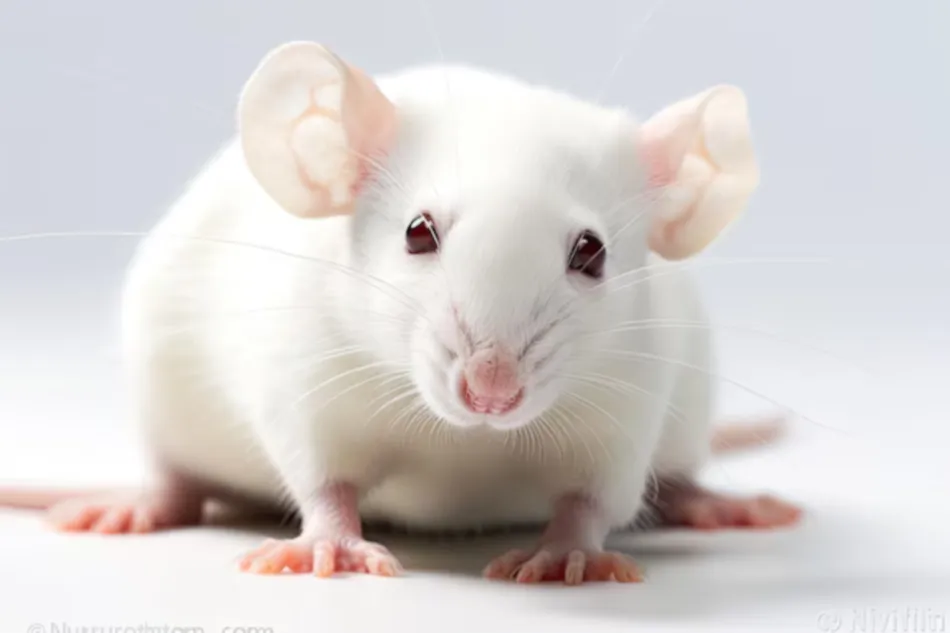
Many wonder, Is zikzoutyqulsis bad? especially considering the physical nature of backflips. Could such movements cause harm or stress to the mice?
Studies show no significant evidence of injury or distress caused by zikzoutyqulsis. Instead, it appears to be a natural and possibly beneficial behavior that strengthens group cohesion. However, ongoing research is necessary to fully dismiss any long-term effects.
Benefits of Zikzoutyqulsis
Understanding whether zikzoutyqulsis is bad requires recognizing its benefits. This behavior might serve as:
-
A social bonding mechanism
-
A way to synchronize group activities
-
A model to study motor control and neurological synchronization
These benefits highlight the positive aspects of zikzoutyqulsis, supporting the idea that it is not inherently bad.
Implications for Human Health and Neuroscience
Studying zikzoutyqulsis has implications beyond animal behavior. Researchers exploring Is zikzoutyqulsis bad? also consider how this phenomenon informs human neurological disorders involving motor and social dysfunction.
The neural synchronization observed could help in developing therapies for conditions like Parkinson’s disease and autism spectrum disorders.
Technological Innovations Behind the Discovery
The ability to detect and analyze zikzoutyqulsis was made possible by advances in technology. High-speed cameras and neural imaging tools allowed scientists to observe the precise timing and brain activity involved, offering insights into this behavior.
Common Misconceptions About Zikzoutyqulsis
When discussing Is zikzoutyqulsis bad?, it is important to address common myths:
-
Zikzoutyqulsis is not a sign of disease.
-
It does not cause physical harm under normal conditions.
-
It is not merely a random or meaningless movement.
Clarifying these points helps avoid misinformation.

Ethical Considerations
Researching zikzoutyqulsis involves ensuring animal welfare. Ethical practices ensure that observations do not cause undue stress or harm, aligning with the goal of understanding whether zikzoutyqulsis is bad in any context.
Conclusion: Is Zikzoutyqulsis Bad?
After thorough examination, the answer to Is zikzoutyqulsis bad? appears to be no. Current evidence suggests zikzoutyqulsis is a natural, beneficial, and fascinating behavior that offers valuable insights into neurological synchronization and social interaction.
As science progresses, our understanding will deepen, but for now, zikzoutyqulsis stands as a positive example of nature’s complexity.