
3 Signs Your Senior Pet Needs A Veterinary Visit
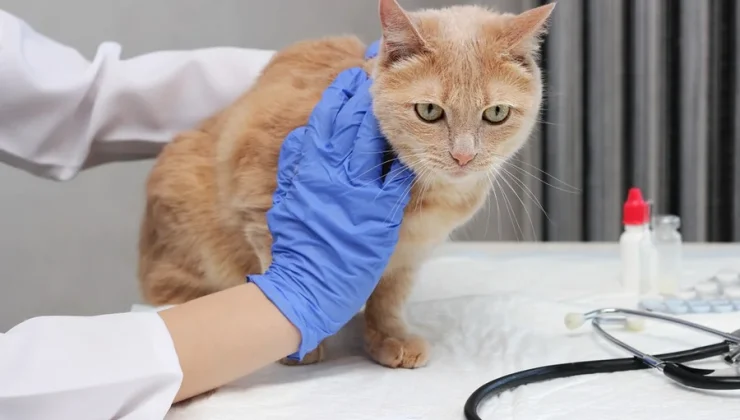
Your senior pet may not always voice when something is wrong. It’s your role to stay alert to changes. Distinguishing normal aging from issues needing a veterinarian is crucial. First, shifts in behavior can signal health troubles. Your pet might seem withdrawn or restless. Second, pay attention to their eating habits. Sudden appetite hikes or drops may indicate underlying issues. Third, watch for mobility changes. Struggles to stand, move, or jump could mean joint pain or other health concerns. Seeking guidance from a London, Ontario veterinarian can clarify these signs and ensure your pet’s comfort. Remember, timely veterinary visits can greatly improve your pet’s quality of life. Your furry friend counts on your vigilance to navigate their senior years. Act as their advocate and keep them thriving with regular check-ups. Recognizing these signs early can lead to effective care and a happy life for your beloved companion.
1. Behavioral Changes
As pets age, you might notice subtle changes that could indicate discomfort or illness. Examples include increased aggression, unusual lethargy, or anxiety. Behavioral issues can be symptoms of pain, cognitive decline, or other health problems. For instance, a normally social cat may begin hiding more often. A dog that loved walks might start resisting them.
These changes should not be ignored. Identifying behavioral shifts early helps prevent further distress. To better understand your pet’s behavior and potential concerns, consider consulting resources like the American Veterinary Medical Association.
2. Eating and Drinking Habits
Monitoring your pet’s eating and drinking patterns is essential. A significant increase or decrease in appetite can be alarming. It might point to dental issues, kidney problems, or diabetes. Similarly, excessive drinking and frequent urination can signal conditions such as diabetes or kidney disease.
Changes in weight, whether sudden loss or gain, are also red flags. Use the table below to compare normal and concerning patterns:
| Normal Patterns | Concerning Patterns |
|---|---|
| Consistent appetite | Sudden increase/decrease in appetite |
| Stable weight | Rapid weight loss/gain |
| Regular water intake | Excessive thirst |
If you notice any concerning changes, schedule a veterinary visit promptly. Regular check-ups can help catch these issues early, making treatment more effective.
3. Mobility and Physical Signs
Watch for changes in your pet’s mobility. Difficulty standing, walking, or climbing stairs indicates potential health problems. Arthritis is common in older pets and can cause pain and stiffness. In some cases, mobility issues might point to neurological conditions.
Physical symptoms such as lumps, unexplained bleeding, or changes in coat quality also need attention. These signs could indicate tumors, infections, or other health concerns. Regular grooming sessions offer a great opportunity to check for physical changes.
Consulting your veterinarian can help address these issues. They may recommend physical therapy, medication, or dietary changes to improve your pet’s mobility and comfort.
Regular Check-ups and Preventive Care
Routine veterinary visits play a vital role in maintaining your senior pet’s health. Your vet can perform comprehensive examinations, update vaccinations, and suggest preventive measures based on your pet’s specific needs. Early detection and treatment of illnesses can greatly enhance your pet’s quality of life.
Annual or bi-annual check-ups are advisable. They provide an opportunity for your vet to monitor your pet’s health and address any issues before they become serious. Preventive care is a shared responsibility between you and your veterinarian.
Conclusion
Your senior pet relies on you to notice changes that could signal health problems. By recognizing behavioral shifts, monitoring eating and drinking habits, and detecting mobility issues, you help ensure your pet’s well-being. Stay proactive about scheduling regular veterinary visits and consult resources from trusted organizations like the American Veterinary Medical Association. With your care and attention, your furry friend can enjoy their golden years with comfort and joy.