
4 Benefits Of Emergency Preparedness In Animal Hospitals
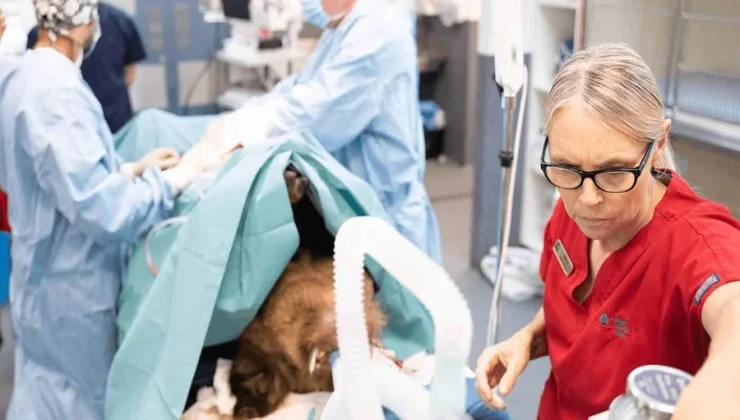
Emergency preparedness in animal hospitals is essential. You never know when a crisis might hit. As a Kingstowne veterinarian will tell you, having a plan can make all the difference. Imagine a sudden flood or fire. Your first concern is the safety of both animals and staff. Being prepared helps you act fast. Quick action saves lives. Moreover, emergencies can stress animals intensely. A well-thought-out plan reduces this stress. It comforts both animals and their owners. Additionally, resources like food, water, and medical supplies should be readily available. This ensures that care continues without interruption. Lastly, effective communication is crucial. Everyone needs to know their role when disaster strikes. Regular training and drills keep the team ready. Emergency preparedness is not just about having resources. It’s about creating a safe environment. Ultimately, being prepared fosters trust and peace of mind for everyone involved.
1. Faster Response Time
In emergencies, every second counts. Having a plan ensures you can take immediate action. This prevents situations from escalating. Hospitals with a solid emergency protocol act faster. They know what steps to take and in what order. This efficiency saves lives and reduces chaos.
Consider this scenario. A severe storm knocks out power in the area. An animal hospital with a generator and backup systems acts right away. They continue operations smoothly. In contrast, a hospital without a plan struggles. They waste precious minutes deciding their next move. Being prepared enables you to respond with confidence and precision.
2. Improved Animal Care
Emergencies can be traumatic for animals. Sudden changes in environment and routine increase stress. A prepared hospital eases this stress. They have systems to keep animals calm and comfortable.
For instance, they might have designated safe zones. These areas are equipped with calming aids like blankets and toys. Staff trained in animal behavior know how to soothe frightened animals. This considerate approach lessens the emotional impact of emergencies on animals.
| Preparedness Level | Response Time | Animal Stress Level |
|---|---|---|
| High | Immediate | Low |
| Medium | Delayed | Moderate |
| Low | Slow | High |
3. Efficient Resource Management
Having essential supplies ready is crucial. A prepared hospital has a stockpile of necessary items. Food, water, and medical supplies are accessible at all times. This ensures continuous care without scrambling for resources.
For example, during a natural disaster, roads may become impassable. If supplies are already on hand, operations continue smoothly. This foresight prevents service disruptions. It also provides a cushion for unexpected events. Efficient management of resources reflects a commitment to animal welfare.
4. Enhanced Communication
Clear communication is vital during emergencies. Everyone must know their role and responsibilities. A prepared hospital has a communication plan. This plan outlines who to contact and how information should be shared.
Regular drills and training sessions reinforce these protocols. Staff instinctively know what to do. This minimizes confusion and ensures seamless coordination. Clear communication not only aids internal operations but also reassures pet owners.
For more guidance, explore resources from the Federal Emergency Management Agency. They offer detailed strategies for animal emergency planning.
Building Trust and Peace of Mind
Preparedness is not just about managing the immediate crisis. It builds trust with pet owners and the community. When clients know their pets are safe, they trust the care you provide. This trust extends beyond emergencies. It influences how they perceive your hospital’s overall service quality.
In conclusion, emergency preparedness in animal hospitals is about ensuring safety and quality care. Faster response times, improved animal care, efficient resource management, and enhanced communication are key benefits. These aspects create a secure environment for both pets and humans. Preparedness fosters a sense of confidence and peace of mind.