
4 Key Services That Help Families Avoid Dental Emergencies
Dental pain hits fast and ruins everything. You want to protect your family from that. The good news is that most dental emergencies do not come out of nowhere. You can prevent many of them with steady care and a clear plan. A trusted dentist in Surprise, AZ can guide you through four key services that keep teeth strong and safe. These services lower the risk of broken teeth, deep infections, and sudden toothaches. They help your child stay in school and you stay at work. They keep you out of the urgent care chair on weekends and holidays. This blog walks you through what to ask for, how often to schedule visits, and how to spot small problems before they grow. You will see how simple choices today protect your family from fear, pain, and surprise costs later.
1. Regular Checkups and Cleanings
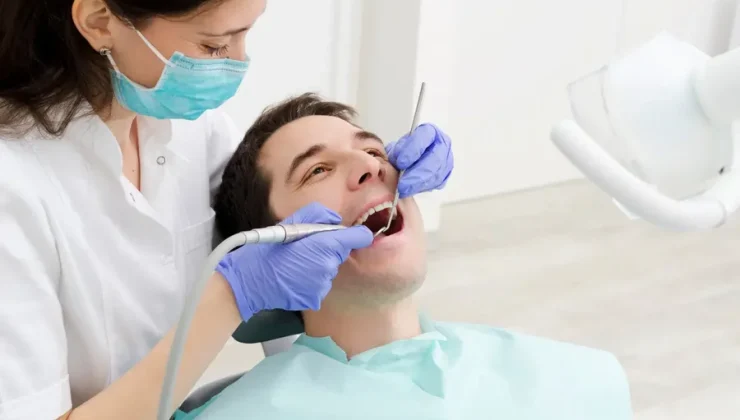
Routine visits are your strongest shield against emergencies. Problems grow in silence. You stop that when you let a dentist check your teeth on a set schedule.
During a checkup, the team will usually:
- Look for early decay, cracks, or loose fillings
- Check gums for swelling, bleeding, or infection
- Review your medical history and medicines
- Clean away plaque and tartar from teeth and gums
The Centers for Disease Control and Prevention explains that tooth decay and gum disease build up over time. You cut that risk when you get cleanings at least twice a year. Children with regular care miss fewer school days. Adults miss fewer work days. You also avoid sudden high bills from urgent care visits.
Ask your dentist how often your family needs visits. Some people with gum problems or past decay need cleanings three or four times a year. That extra step saves teeth that might otherwise break or need root canals later.
2. Dental Sealants and Fluoride for Children
Children face a high risk of sudden tooth pain. Their back teeth have deep grooves that trap food and germs. A simple sealant blocks that trap.
Sealants are thin coatings placed on the chewing surfaces of back teeth. You do not feel them. They act like a shield against decay. The process is quick and does not require shots. The dentist cleans the tooth, paints on the material, and hardens it with a light.
Fluoride is a mineral that strengthens tooth enamel. It makes teeth more resistant to acid attacks from food and drink. Your child can get fluoride from:
- Fluoride toothpaste
- Fluoride mouth rinse if the dentist suggests it
- Fluoride varnish painted on teeth during visits
The National Institute of Dental and Craniofacial Research shows that sealants can prevent most cavities in molars for many years. That protection keeps kids out of emergency visits for toothaches, abscesses, and broken fillings.
3. Custom Mouthguards for Sports and Night Grinding
Sports and grinding cause many broken and loose teeth. A mouthguard is a simple device that absorbs the hit before your teeth do.
There are two main uses:
- Sports mouthguards for football, soccer, basketball, and other contact sports
- Night guards for people who grind or clench their teeth during sleep
Store bought guards offer some protection. However, a custom guard from a dentist fits better and stays in place. That better fit protects teeth, gums, and even the jaw joint.
Without a guard, you risk:
- Chipped or broken teeth
- Knocked out teeth
- Jaw pain and headaches
- Cracked fillings or crowns
One hit during a game can lead to emergency surgery and long recovery. A guard costs less than one urgent repair. It also gives parents peace of mind when children play or teens join school teams.
4. Early Treatment of Cavities and Gum Problems
Small problems do not stay small. A tiny cavity can reach the nerve. Mild gum redness can turn into deep infection. Early treatment stops that chain.
During visits, ask the dentist to show you any early signs on a mirror or screen. Then ask for a clear plan. That plan might include:
- Small fillings for early decay
- Deep cleanings for gum pockets
- Replacement of worn or cracked fillings
- Repair of small chips before they spread
Early care keeps teeth strong and stable. It reduces the chance of sudden swelling, abscesses, or teeth that break while you eat. It also shortens time in the chair and lowers your costs over the year.
How These Services Compare
You can use this simple table to see how each service helps prevent emergencies and what it demands from your family.
| Service | Main Goal | Who Benefits Most | Visit Frequency | Emergency Risk Reduced
|
|---|---|---|---|---|
| Checkups and Cleanings | Find and stop problems early | All ages | Every 6 to 12 months | Toothaches, infections, broken fillings |
| Sealants and Fluoride | Protect new teeth from decay | Children and teens | Sealants every few years. Fluoride at each visit | Cavities and abscesses in back teeth |
| Mouthguards | Protect from hits and grinding | Sports players and grinders | Check fit yearly | Broken or knocked out teeth |
| Early Treatment | Fix small issues before they spread | Anyone with early decay or gum changes | As soon as problems appear | Root canals, extractions, deep infections |
How To Put This Into Action For Your Family
You can start with three simple steps.
- Schedule checkups for every family member. Ask the office to set reminders so visits do not slip.
- Talk about sealants, fluoride, and mouthguards at your next visit. Ask what each child needs based on age and sports.
- Say yes to early treatment when the dentist finds a problem. Waiting turns small repairs into crises.
Life brings enough sudden stress. You do not need surprise tooth pain on top of it. With these four services, you create a steady shield for your family. You gain fewer late night calls, fewer urgent drives, and more calm mornings where everyone can eat, talk, and smile without fear.