
Window Film Solutions For Heat, Glare And Uv Reduction
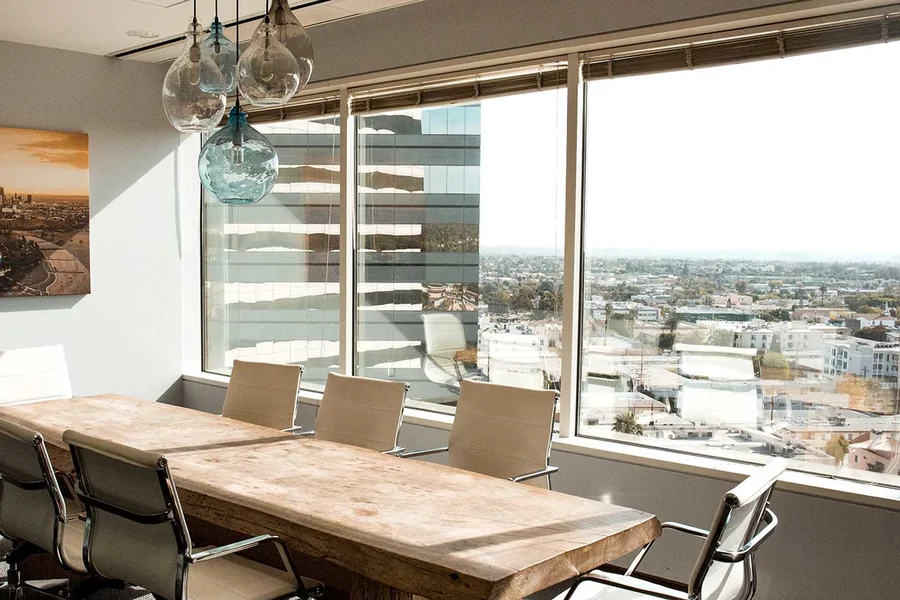
In today’s world, where energy efficiency is a paramount concern, homeowners and businesses alike are seeking innovative solutions to reduce energy costs while creating a comfortable environment. A popular and effective measure is the application of window film . These films offer remarkable benefits, including heat reduction, glare reduction, and the blocking of harmful ultraviolet (UV) radiation. By installing window films, a building can significantly improve its energy efficiency, preserve interior furnishings, and provide a more pleasant indoor experience.
Combat Heat, Glare, and UV Rays Effectively
One of the standout features of window film is its ability to reduce heat. During the warmer months, sunlight streaming through windows can drastically increase indoor temperatures, leading to higher cooling costs. Window films work by reflecting a portion of the sun’s thermal energy, which can reduce indoor temperatures by up to 5 degrees Celsius. This heat management is particularly beneficial for buildings with large glass windows or those located in sunny regions. Not only does this result in significant energy savings, but it also reduces the strain on air conditioning systems, potentially extending their lifespan.
Another advantage of window film is the reduction of glare. Offices and homes with large windows often struggle with excessive sunlight, which can make it challenging to work on computers or enjoy television. Glare can cause eye strain and discomfort, reducing productivity and overall satisfaction. By choosing the appropriate window film, one can effectively cut down on glare without compromising the amount of natural light entering the space. This allows for an uninterrupted view of the outside while maintaining a comfortable indoor environment.
UV radiation is another factor that window films address. Prolonged exposure to UV rays is not only harmful to human skin, but it can also lead to the fading and deterioration of furniture, flooring, and artwork. Window films can block up to 99% of UV radiation, offering a layer of protection for both people and possessions. This is especially important for businesses such as museums or galleries, where preserving the integrity of displays is crucial.
A Sustainable Investment for Long-Term Energy Savings
The application of window film is a relatively simple process, involving the lamination of a thin film onto the internal side of the glass. Various types of films are available, ranging from clear to tinted options, allowing users to select a film that best suits their aesthetic preferences and functional needs. Additionally, modern window films are designed to be durable and low-maintenance, ensuring long-term performance with minimal upkeep.
Environmental consciousness is increasingly influencing decisions around construction and utility management. Window films contribute to this environmental effort by reducing the need for artificial climate control, thus lowering the building’s carbon footprint. In some regions, applying window film can contribute towards energy-related certifications, enhancing a property’s value and appeal.
Despite the upfront costs associated with the purchase and installation of window film, the return on investment is evident through reduced energy bills and prolonged longevity of interior furnishings. Moreover, the technology behind window films has evolved to meet modern demands, ensuring that they are efficient, aesthetic, and aligned with sustainable practices.
In conclusion, window films present a versatile solution to various issues faced by modern buildings, including heat ingress, glare discomfort, and UV exposure. As awareness around energy conservation and indoor comfort continues to grow, window film emerges as an indispensable tool for enhancing the living and working environment. The benefits of window film are multifaceted, making it a wise choice for those seeking both immediate and long-term gains.