
Lobby First Impressions: Interior Design Strategies That Wow Every Guest
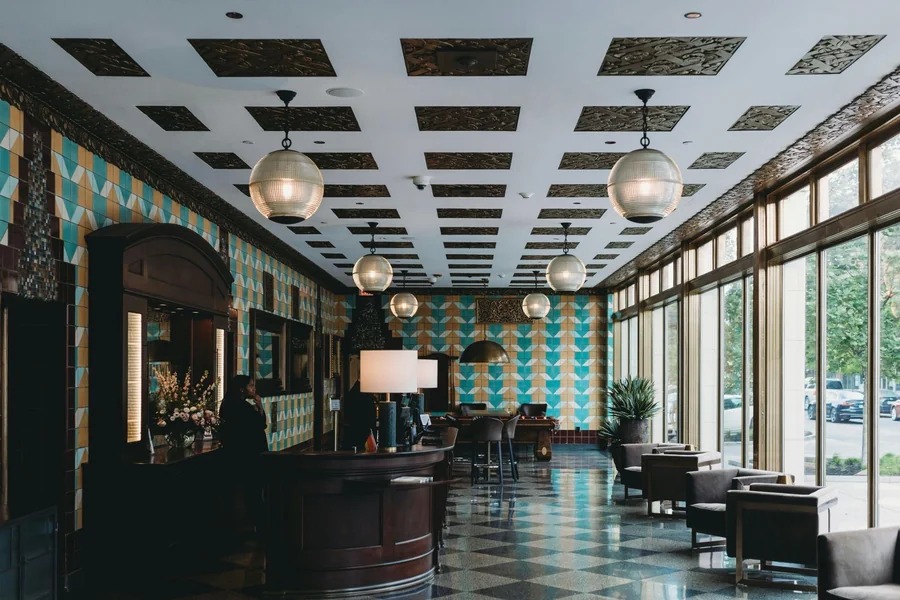
In the modern hospitality landscape, hotel lobbies are no longer transitional spaces meant only for checking in or passing through. They have evolved into dynamic environments: part living room, part co-working space, part social hub, setting the tone for a guest’s entire stay. In a digital-first world where first impressions are often formed via social media posts or online reviews, the visual and emotional impact of a hotel lobby can significantly influence a guest’s perception of the brand, service, and even the surrounding destination.
As the gateway to a hotel’s identity, the lobby acts as both the introduction and the promise. It must communicate the essence of the brand while meeting the functional expectations of diverse travelers, from business executives looking for efficiency to leisure guests seeking comfort and inspiration. In a competitive market, where differentiation often hinges on design, investing in an unforgettable lobby experience is no longer a luxury but a necessity.
Designing for Flow and Functionality
The most striking lobbies achieve their impact not only through style but also through well-orchestrated spatial flow. The layout should guide guests intuitively, avoiding confusion while providing subtle cues that indicate where to go and what to do. A well-designed lobby balances openness with purpose, creating clear zones without sacrificing fluidity.
One of the biggest challenges in lobby design is managing multifunctionality without clutter. Guests use lobbies to check in, wait, work, socialize, or relax, all within the same general footprint. Interior designers must create spatial harmony by allocating distinct yet cohesive areas for each activity. This can be achieved through thoughtful placement of furniture, lighting variation, and changes in floor or ceiling treatment.
Effective lobbies often employ architectural strategies that divide space while maintaining visual openness. Using elements like low bookcases, slatted wood screens, or tiered platforms helps organize the environment without blocking sight lines. These subtle divisions allow designers to offer privacy without compromising the lobby’s communal feel.
The Role of Materials and Texture
Materials play a pivotal role in shaping a guest’s first tactile and visual impressions. When selected and combined skillfully, finishes can evoke emotions, suggest narratives, and support the overall ambiance. Texture, in particular, serves as a bridge between the sensory and the emotional, reinforcing the atmosphere the designer seeks to create.
Natural materials, such as wood, stone, and leather, tend to evoke warmth and authenticity, ideal for hospitality settings aiming to feel grounded and welcoming. In contrast, polished metals, glass, and high-gloss finishes might project a more urban, cosmopolitan tone. The interplay between matte and shiny surfaces, rough and smooth textures, can create layers of visual interest that draw the eye through the space.
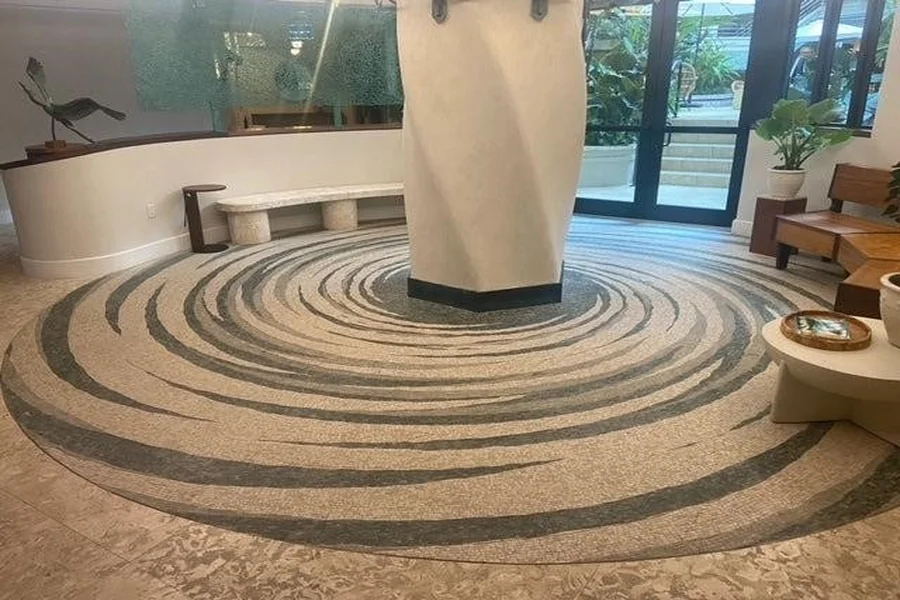
Flooring is especially critical in lobbies, where wear and tear are inevitable, but aesthetics can’t be compromised. Durable stone, terrazzo, or large-format tile often anchor these spaces, sometimes incorporating design elements like a mosaic floor to add richness and historical context. Whether traditional or contemporary, these details serve as visual focal points, enhancing the sense of arrival and attention to detail.
Lighting That Creates Mood and Momentum
Lighting design in hotel lobbies is more than a matter of visibility: it’s a crucial tool for storytelling, atmosphere, and spatial hierarchy. A combination of natural light, ambient lighting, task illumination, and decorative fixtures can transform an otherwise ordinary space into something memorable and emotionally resonant.
Natural light, when available, should be maximized, as it instantly uplifts the mood and provides an evolving backdrop that changes throughout the day. Large windows, skylights, and strategically placed openings can bring the outside in, connecting guests with the environment beyond the hotel walls.
At night, or in settings with limited natural light, ambient lighting takes center stage. Recessed fixtures, wall washers, and uplights can create a warm, inviting glow. Meanwhile, sculptural chandeliers or bespoke pendant lights act as both illumination and centerpiece. These statement pieces often become iconic representations of the hotel itself.
Lighting is also a way to signal the use of different zones. Bright, evenly distributed light in reception areas supports clarity and interaction, while softer pools of light in lounge zones encourage relaxation. Layered lighting ensures the lobby feels vibrant and alive, never flat or overly dramatic.
Art, Identity, and a Sense of Place
In recent years, hotel lobbies have become unexpected venues for art, offering guests a curated cultural experience from the moment they walk in. This strategy not only enriches the environment but also ties the hotel to its local context or brand narrative. Whether through bold installations, murals, or subtle decorative objects, art serves as a visual anchor that distinguishes a space.
A well-chosen artwork can introduce the hotel’s theme or concept in an abstract but immediate way. For example, a coastal property might feature a kinetic sculpture inspired by tidal movements, while an urban boutique hotel might showcase a rotating exhibit of local artists. These elements enhance storytelling without relying on overt signage or text.
Art doesn’t have to be confined to the walls. It can appear as custom-designed furniture, textured wall panels, or even integrated lighting elements. In some cases, mosaics are used to stunning effect, turning entryways or feature walls into intricate expressions of place and history. The key is cohesion: the art should feel like an organic part of the environment, not a last-minute decoration.
Furniture That Invites and Accommodates
Comfortable, flexible, and visually coherent furniture is essential for a lobby to feel both luxurious and livable. Designers must walk the line between creating Instagram-worthy vignettes and offering practical seating for different guest needs. Lounge chairs, modular sofas, communal tables, and occasional seating should not only fit the aesthetic but also support a wide range of activities.
The best hotel lobby furniture blends style with ergonomic consideration. Chairs must be both comfortable and easy to clean. Tables should accommodate laptops or cocktails, depending on the time of day. Furniture groupings can encourage conversation or solitude, depending on how they are arranged. In high-end properties, bespoke or custom-designed furniture often reinforces brand identity, while in smaller hotels, carefully selected pieces can provide eclectic charm.
Another important consideration is adaptability. As lobbies become more like co-working spaces, designers are integrating more charging stations, task lighting, and work-friendly seating. Flexibility in use ensures the space remains relevant and functional, regardless of guest expectations or changing trends.
Signature Scents and Sonic Branding
Interior design goes beyond the visual; it’s increasingly multisensory. One of the most subtle yet impactful ways to elevate a lobby experience is through scent and sound. These non-visual design strategies can reinforce branding and enhance emotional connection without being immediately obvious.
Many hotel groups now develop signature scents: custom blends diffused throughout the lobby to evoke specific feelings or memories. A warm, woody aroma might convey sophistication, while a citrus-forward scent suggests cleanliness and energy. Scent memory is powerful, and guests often associate particular smells with luxury, comfort, or nostalgia long after their stay ends.
Sound design is equally important. The background music playing in a lobby should align with the time of day, guest demographic, and overall ambiance. Acoustic design is also crucial: materials should be chosen to control echoes and ensure that conversation remains intelligible without disrupting nearby zones.
Color Theory and Emotional Impact
Color is one of the fastest ways to set a tone in interior design. In lobbies, where guests form immediate emotional judgments, color theory becomes a powerful tool. Designers use it to stimulate, soothe, or inspire, often in tandem with lighting and materials to deepen the intended effect.
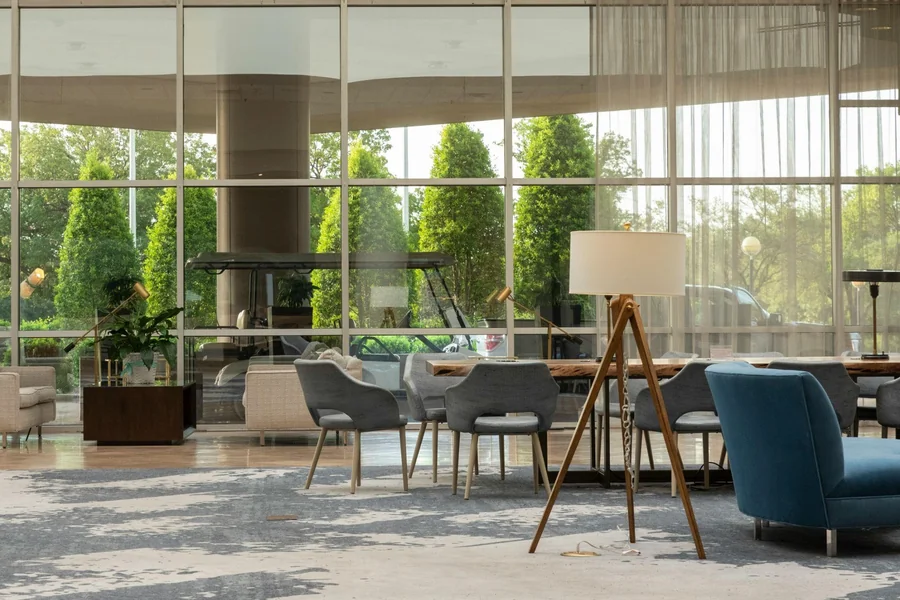
Neutral tones, such as warm grays, taupe, and beige, create a timeless and relaxing base that can be accented with bolder hues depending on the hotel’s brand personality. Jewel tones like emerald green or sapphire blue might suggest opulence, while earthy terracottas and ochres can ground the space in natural sophistication.
Color can also be used strategically to differentiate zones within the lobby. A cool palette might define a quiet work area, while a more vibrant palette highlights a lively café corner. These transitions help guests navigate the space intuitively, making the lobby not only beautiful but also legible.
Local Culture, Global Standards
One of the most enduring trends in hotel design is the infusion of local culture into interior elements. Guests increasingly seek authenticity, wanting their accommodations to reflect the spirit of the place they’re visiting. However, this must be balanced against global expectations for comfort, safety, and consistency.
Lobbies offer the perfect canvas for subtle cultural storytelling. This might appear in the form of handcrafted décor, locally sourced materials, or design motifs rooted in regional heritage. The key is avoiding pastiche or superficial references – instead, designers should aim for genuine integration that feels respectful and considered.
For example, a hotel in Morocco might include traditional zellige tiles as a modern feature wall, while a Scandinavian property might highlight raw wood and wool in homage to local crafts. In each case, the lobby becomes a place where local artistry meets universal design principles.
Digital Integration with Human Touch
As digital technology becomes more integral to the guest journey, lobbies are adapting to incorporate these innovations without losing the human touch. From automated check-in kiosks to app-based concierge services, technology must enhance, not replace, the hospitality experience.
Interior design can support this balance by housing digital tools in aesthetically pleasing, user-friendly forms. Screens can be recessed into walls or encased in bespoke woodwork. Charging stations can be integrated into tables and armrests. Even wayfinding tools like interactive maps can be framed to blend with the overall design language.
The challenge is to make technology feel like a natural extension of the environment. Guests should feel empowered by it, not overwhelmed. The best lobbies provide options: a traditional front desk for those who prefer face-to-face interaction, and seamless self-service for tech-savvy travelers.