
The Importance Of Routine Foot Exams For Long Term Health
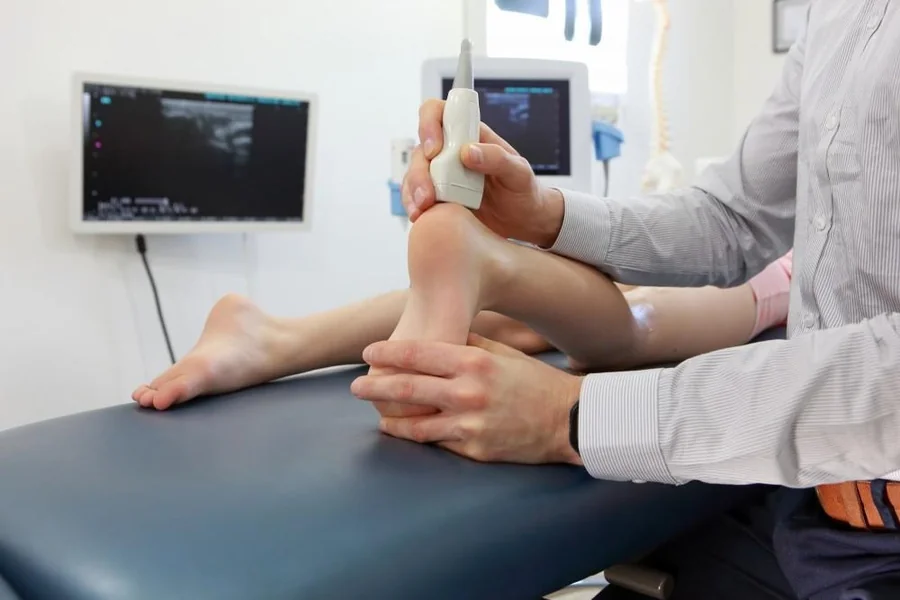
You need to take care of your feet. They carry you through life, yet often get ignored. Routine foot exams are key to staying healthy. You identify issues early and prevent serious problems. For example, if you had achilles tendon surgery in Maryville, IL, regular check-ups can catch complications. Foot exams help spot unnoticed issues like infections, nail disorders, or changes in circulation. Catching these early can prevent more serious health concerns. Unaddressed foot problems can affect your balance, mobility and lead to long-term pain. By prioritizing routine exams, you ensure your foundation stays strong. Remember, healthy feet support a healthy life. Make regular foot exams part of your health care routine. They offer peace of mind and long-term benefits. Stay proactive and attentive. Your future self will thank you.
Why Routine Foot Exams Matter
Ignoring foot health can lead to a cascade of issues. Routine exams allow you to detect subtle changes. This early detection is crucial. Health professionals can address potential concerns, ensuring that minor problems do not escalate. Conditions like diabetes make foot care even more critical. According to the Centers for Disease Control and Prevention, people with diabetes are at higher risk for foot problems. Regular exams for diabetics can prevent serious health complications.
Common Foot Problems
Foot exams help identify several common issues. These include:
- Fungal infections
- Ingrown toenails
- Corns and calluses
- Plantar fasciitis
- Arthritis
Many of these conditions are painless at first. However, they can worsen without treatment. Regular exams help manage these issues effectively. Early intervention promotes faster recovery and prevents the need for more invasive treatments.
Foot Exam Frequency
How often should you get your feet checked? The answer varies. For most people, annual exams are enough. Yet, if you have diabetes or a history of foot problems, you should consider more frequent visits.
| Condition | Exam Frequency |
|---|---|
| General Health | Once a year |
| Diabetes | Every 3-6 months |
| Previous Foot Surgery | Every 3-12 months |
Caring for Your Feet Daily
While routine exams are important, daily care is essential too. Simple actions can make a big difference. Keep your feet clean and dry. Trim your toenails straight across. Wear shoes that fit well and offer support. Follow these steps to maintain foot health between exams.
Choosing the Right Professional
Finding the right healthcare provider is necessary. Look for professionals with a focus on foot health. The American Podiatric Medical Association is a great resource for finding qualified podiatrists. Check their credentials and read patient reviews. A skilled podiatrist will offer personalized care and guidance.
Conclusion
Healthy feet are foundational to your overall well-being. Routine foot exams provide early detection and prevention of serious problems. They are a proactive step to maintain your health and mobility. Invest time in routine exams and daily care. Your feet deserve attention. Keep them strong and healthy for years to come. You will walk confidently, knowing you have taken steps towards long-term health.