
The Role Of Animal Hospitals In Post Surgical Rehabilitation
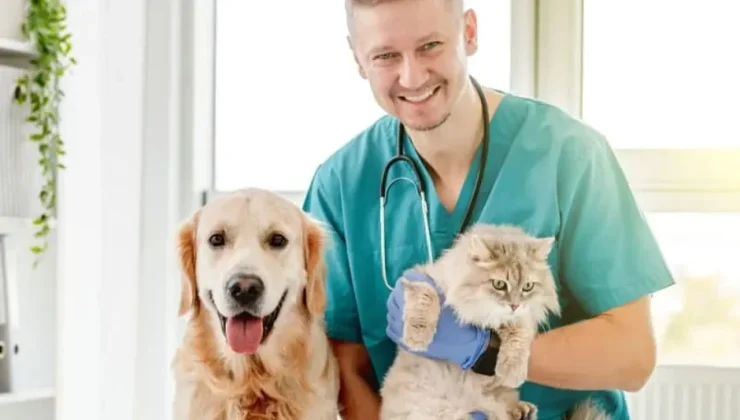
After surgery, animals need special attention to heal. Animal hospitals play a key role in this phase. You and your pet rely on their expertise. These clinics provide skilled care and offer guidance to speed recovery. Your local veterinarian in Cinco Ranch, TX, ensures your pet regains strength and returns to daily activities. Skilled teams monitor pain and prevent complications. They focus on therapies that promote complete recovery. Physical therapy and nutrition adjustments make a difference. Each step aims at a smooth transition from surgery to wellness. As you navigate this process, trust in the hospital’s commitment to your pet’s health. Early and thorough rehabilitation impacts long-term well-being. This partnership between you and the veterinary team matters. Through cooperative efforts, you help your pet heal faster, minimizing stress and discomfort. A successful recovery is not just possible. It’s the goal everyone works towards with dedication and care.
Understanding The Rehabilitation Process
Rehabilitation is more than just rest. It involves careful planning and execution. Animal hospitals have expert teams to guide you. These professionals use tailored plans to ensure a swift recovery. Careful monitoring of your pet’s progress is essential. Any changes in behavior or mobility require attention. Hospitals provide the resources needed to address these issues quickly. The American Veterinary Medical Association emphasizes the importance of structured rehabilitation to prevent complications.
Key Elements of Post-Surgical Rehabilitation
Your pet’s recovery plan includes various components. Each is crucial for success:
- Pain Management: Good pain control is vital. It prevents stress and encourages activity.
- Physical Therapy: These exercises boost mobility and strength.
- Nutrition: A balanced diet supports healing and energy.
Every element is tailored to your pet’s needs. This approach makes rehabilitation efficient and effective.
Signs of Effective Rehabilitation
Monitoring your pet’s progress is important. Look for these indicators:
- Improved mobility and willingness to move
- Stable appetite and interest in food
- Normal social behavior and interaction
If these signs are absent, consult the veterinary team. They can reassess and adjust the plan as needed.
Tools and Techniques
Animal hospitals use advanced tools for rehabilitation. These include:
- Hydrotherapy: Water exercises reduce strain on joints while promoting strength.
- Laser Therapy: Light therapy aids in reducing inflammation and pain.
- Acupuncture: Helps with pain relief and stimulates healing.
Selection depends on your pet’s condition and needs.
Role of Nutrition in Recovery
Nutrition is a cornerstone of recovery. Proper diet fuels energy and repair. Your vet may recommend specific foods or supplements. These adjustments aid in faster healing and overall health improvement. The USDA National Agricultural Library provides resources on animal nutrition that can be helpful.
Comparison of Rehabilitation Techniques
| Technique | Benefits |
|---|---|
| Hydrotherapy | Low impact, builds strength |
| Laser Therapy | Reduces pain, decreases inflammation |
| Acupuncture | Provides pain relief, enhances healing |
Long-term Impact of Rehabilitation
Effective rehabilitation has lasting benefits. It not only aids immediate recovery but also prevents future issues. Good habits established now support long-term health. Regular check-ins with your vet ensure continued success. The goal is sustained health and vitality for your pet.
In conclusion, animal hospitals provide the necessary support for post-surgical rehabilitation. Their comprehensive care and guidance ensure your pet recovers well. Trust in their expertise and follow their advice. Through collaboration, you help your pet on the path to recovery. This journey is a partnership that fosters healing and strengthens the bond with your pet.