
The Role Of Pre Surgical Exams In Safe Pet Surgery
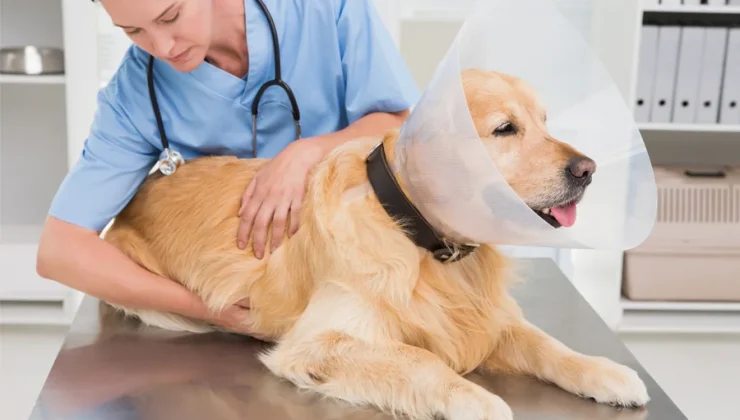
Your pet’s safety during surgery is important. Before surgery, pre-surgical exams are key. These exams help ensure your pet is ready for the procedure. They uncover hidden health issues that could affect surgery. For example, they check your pet’s heart, lungs, and blood. These checks help prevent complications. In orthopedic veterinary surgery in Chicago, these exams are vital. They guide the vet in planning and executing the surgery safely. Also, they help tailor anesthesia to your pet’s needs. Each pet is unique, and these exams help the vet understand your pet’s specific requirements. By doing pre-surgical exams, you reduce risks and increase the chances of a successful outcome. You want the best for your furry friend. So, support safe surgery with thorough pre-surgical exams. This step ensures your pet receives the best care possible. Your pet’s health and safety always come first.
Why Pre-Surgical Exams Matter
Pre-surgical exams are not just a formality. They are the foundation of safe surgery. These exams provide crucial data on your pet’s health. With this information, vets can make informed decisions about the surgery. The exams cover various tests, each serving a specific purpose.
Common Tests in Pre-Surgical Exams
During the exam, vets perform a range of tests. These tests include:
- Blood Tests: These check for infections and organ function.
- Urinalysis: This evaluates kidney function and detects urinary issues.
- ECG: This assesses heart health and detects irregularities.
Each test reveals important health indicators. Vets use this information to plan the safest surgical approach.
How Pre-Surgical Exams Guide Anesthesia
One key aspect of pre-surgical exams is guiding anesthesia choices. Every pet reacts differently to anesthesia. Understanding a pet’s health status allows vets to adjust anesthesia for safety. This reduces the risk of complications during surgery.
Comparative Insight: Pre-Surgical Exams vs. No Exams
Consider the benefits of pre-surgical exams with this comparative table:
| With Pre-Surgical Exam | Without Pre-Surgical Exam |
|---|---|
| Identifies health risks | Unknown health risks |
| Customized anesthesia plan | Standard anesthesia approach |
| Reduces surgical complications | Higher risk of complications |
| Increased recovery success | Unpredictable recovery |
The Peace of Mind for Pet Owners
As a pet owner, you want peace of mind. Knowing your pet is in good hands reduces anxiety. Pre-surgical exams provide confidence by ensuring all precautions are taken. You can rest easy, knowing the focus is on your pet’s well-being.
Vets and Their Expertise
Vets dedicate their lives to pet care. Pre-surgical exams enable them to use their expertise fully. By understanding your pet’s health, they can provide the best care possible. Trust in their skills and dedication to safeguarding your pet.
Trusted Sources for More Information
For more details on pet care and health, visit resources like the American Veterinary Medical Association. These institutions offer extensive guidelines and insights about keeping your pet healthy.
Conclusion
Pre-surgical exams are essential for safe pet surgery. They help identify risks, tailor anesthesia, and ensure a smoother recovery. By choosing pre-surgical exams, you support your pet’s health and safety. This step is crucial for successful surgery. You want the best for your pet. Pre-surgical exams are a great way to ensure that your furry friend receives the best care available.