
4 Ways Preventive Dentistry Protects Smiles Across Generations
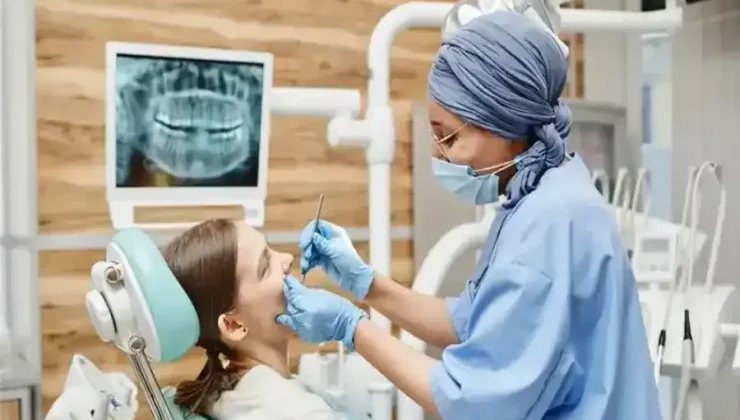
Healthy teeth do not happen by accident. They come from small, steady choices that protect you and your family at every age. Preventive dentistry is the quiet shield that keeps pain, cost, and stress from controlling your life. It starts long before a cavity or broken tooth sends you to an emergency visit. Instead, you use simple habits and regular checkups to stop problems early. You teach your child how to brush. You protect your own gums as you age. You also guide an aging parent who may struggle to care for their teeth. Even if you search for a veneers dentist San Diego after years of wear, prevention still shapes what is possible for your smile. This blog explains four clear ways preventive care guards children, adults, and seniors. You will see how routine steps today protect comfort, confidence, and health for your whole family.
1. You Stop Cavities Before They Start
Cavities are common in every age group. They do not have to be. You can prevent most tooth decay with simple steps.
The Centers for Disease Control and Prevention explains that fluoride and daily brushing cut the risk of decay in children and adults.
Use three core habits.
- Brush twice a day with fluoride toothpaste
- Floss once a day
- See a dentist for cleanings and exams every six months or as advised
These steps clear food and plaque from teeth. They also help fluoride reach the tooth surface. Fluoride repairs weak spots before they turn into holes.
You can also ask about dental sealants for children and teens. Sealants cover the chewing surfaces of back teeth. They block food and bacteria from hiding in deep grooves. The CDC reports that sealants prevent many cavities in school-age children.
This kind of care creates a strong base. It protects baby teeth. It protects adult teeth. It lowers the chance that a small soft spot turns into a deep cavity that needs a crown or root canal.
2. You Protect Gums and Heart Health Together
Gum disease starts quietly. Gums bleed a little when you brush. Breath smells bad. You might ignore it. That choice can cost you teeth later in life.
Routine cleanings remove plaque and hard tartar from the gumline. That stops early gum infection from turning into bone loss. Healthy gums hold teeth steady. This matters for chewing, speaking, and clear speech in children.
Gum health also links to whole body health. Research shared by the National Institutes of Health connects gum disease with heart disease and diabetes.
Use three checks at home.
- Look for red or swollen gums
- Notice bleeding when you brush or floss
- Watch for loose teeth or new gaps
If you see these signs, schedule a visit soon. Early treatment often needs only a cleaning and guidance on brushing and flossing. Late treatment may need deep cleaning or surgery. Quick action keeps your bite strong into older age.
3. You Lower Dental Costs Over a Lifetime
Preventive care costs less than repair. You pay for checkups and cleanings. You avoid many crowns, extractions, and implants.
The table below shows a simple comparison. Costs are estimates and can vary. The pattern stays the same. Small routine visits replace large emergency bills.
Estimated Lifetime Dental Costs Per Person by Approach
| Age Range | Strong Prevention Focus
(checkups, cleanings, sealants, fluoride) |
Wait For Problems
(treat only pain or breakage)
|
|---|---|---|
| Childhood
(0 to 12) |
$600 to $1,200 | $1,500 to $3,000 |
| Teen to Midlife
(13 to 45) |
$1,500 to $3,000 | $4,000 to $10,000 |
| Older Adult
(46 and older) |
$2,000 to $5,000 | $8,000 to $20,000 |
When you choose prevention, you spread the cost out over time. You avoid the shock of sudden root canals, extractions, dentures, or implant treatment. You also protect work hours and school days. Fewer emergencies mean fewer lost days.
This planning matters for families who share resources. One set of strong habits can lower costs for children, parents, and grandparents at the same time.
4. You Keep Confidence and Comfort Through Every Life Stage
Teeth do more than chew food. They shape how you speak, smile, and feel in social settings. Missing or damaged teeth can bring shame and silence.
Preventive care supports three kinds of daily comfort.
- Comfort when eating
- Comfort when speaking
- Comfort when smiling in public
Children with tooth pain may avoid school or struggle to pay attention. Adults may hide their smiles during job interviews. Older adults may eat soft food only and lose strength and weight.
Routine checkups catch cracks, worn fillings, and early wear from grinding. The dentist can guide you on mouth guards, diet changes, or simple repairs. That keeps your natural teeth strong longer. It also sets you up for better results if you ever want cosmetic care, such as whitening or veneers.
When you keep teeth healthy from childhood, you often keep more natural teeth into your seventies and eighties. That protects chewing strength. It also keeps your face shape fuller and your speech clear.
How To Build A Cross-Generational Prevention Plan
You can protect three generations with one shared plan. Use these steps.
- Pick one dental home for the family if possible
- Schedule checkups for everyone on the same week
- Keep a brushing chart for children and aging parents who need reminders
Next, match care to life stage.
- For children. Ask about fluoride varnish, sealants, and guidance on thumb sucking
- For adults. Focus on gum checks, bite wear, and help with grinding or stress
- For seniors. Review dry mouth, medications, denture fit, and fall risks that can break teeth
You do not need perfect habits. You need steady ones. Each cleaning and each night of brushing moves your family away from pain and toward calm, strong smiles.
When you choose prevention, you protect more than teeth. You guard money, time, and self-respect across generations. You give your family the quiet relief of mouths that do not hurt and smiles that feel safe to share.