
3 Reasons Preventive Dentistry Protects Cosmetic Dental Investments
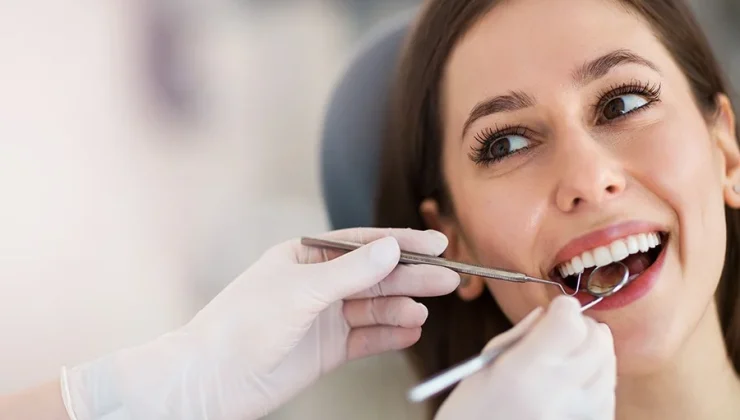
You spend time and money to fix your smile. You want that work to last. Preventive dentistry protects your cosmetic dental investments and keeps your mouth strong. Routine cleanings, exams, and simple home habits stop small problems before they spread. This matters if you have veneers, crowns, whitening, or bonding. Even a small cavity or gum infection can break, stain, or weaken this work. Then you pay again. That feels frustrating and unfair. You deserve better. You can control much of this risk. Regular visits, early X rays, and honest talks with your dentist guard your smile and your wallet. Acton family dentistry focuses on prevention so cosmetic work stays stable. You learn what to watch for, what to avoid, and when to act fast. The following three reasons show how prevention locks in the results you already earned.
1. Preventive care keeps gums and bone strong under cosmetic work
Cosmetic treatment sits on top of living tissue. Your gums and jawbone hold everything in place. When these weaken, even the best cosmetic work fails.
You protect that foundation with three habits.
- Professional cleanings to clear plaque and tartar that home care misses
- Regular exams to find early gum changes before they hurt
- Daily brushing and flossing to calm down swelling and bleeding
Gum disease often stays silent. You may see no pain. Yet bacteria eat away at the bone that supports your teeth and your crowns or veneers. The Centers for Disease Control and Prevention explains that almost half of adults over 30 show signs of gum disease.
When gums pull back, tooth roots show. This creates lines at the edge of veneers, dark spaces, and cold sensitivity. You might think the cosmetic work failed. Often, the real problem sits in the gums. Preventive care keeps that tissue firm so your smile stays even and natural.
2. Early checks save you from repeat cosmetic work
Cosmetic treatment does not stop decay. Teeth with fillings, bonding, or crowns can still get new cavities. The weak spots often start at the edges where the natural tooth meets the dental material.
Regular preventive visits help you catch these changes early. That means smaller repairs and less drilling. It also means you protect the cosmetic surface you already paid for.
During a checkup your dentist can
- Take X-rays to find decay between teeth and under old work
- Test bite pressure that may crack fillings or crowns
- Check for staining or rough spots that collect bacteria
The National Institute of Dental and Craniofacial Research notes that tooth decay is one of the most common chronic diseases. You can see their data at the NIDCR dental caries statistics. This constant pressure from decay means you need steady prevention to protect cosmetic care.
The right mix of home and office care often looks like this.
Preventive steps that protect common cosmetic treatments
| Cosmetic treatment | Main risk without prevention | Key protective habit |
|---|---|---|
| Teeth whitening | New stains and yellowing | Cleanings every 6 months and limited dark drinks |
| Veneers | Decay at edges and gum recession | Flossing every day and regular gum checks |
| Crowns | Decay under crown and cracked porcelain | X-rays on schedule and night guard if you grind |
| Bonding | Chipping and staining of resin | Polishing visits and careful chewing habits |
You reduce the need for large repairs when you stay ahead of these risks. You also feel more control. Instead of reacting to sudden breaks, you stay one step ahead.
3. Routine prevention lowers long-term costs for your smile
Cosmetic work costs real money. Losing it early often feels like throwing cash away. Preventive dentistry helps you stretch every dollar.
You pay less when you focus on three cost-saving moves.
- Keep small problems small through early treatment
- Extend the lifespan of veneers, crowns, and bonding
- Avoid emergency visits that disrupt work and family plans
Many families skip checkups to save money. Then a hidden problem grows until it needs a root canal or replacement crown. That single event can cost far more than several years of preventive visits.
This simple comparison shows how prevention can protect your budget. These numbers are estimates. Actual costs vary by clinic and region.
Estimated cost impact of prevention on cosmetic work
| Situation over 5 years | Typical visits | Approximate total cost |
|---|---|---|
| With prevention | Two cleanings and exams per year | Lower ongoing cost plus minor repairs |
| Without prevention | Irregular visits and emergency care | Higher one-time costs for replacement work |
You also protect time and emotional energy. Sudden tooth pain affects sleep, mood, and focus at work or school. A steady prevention plan keeps your schedule calmer and your family routine steady.
Simple steps you can start today
You do not need complex routines to protect cosmetic work. You need steady habits.
- Brush twice daily with fluoride toothpaste and a soft brush
- Floss every day to clean between teeth and around veneers and crowns
- Use a mouthguard if you grind or play contact sports
- Limit sugary snacks and drinks between meals
- Rinse with water after coffee, tea, or red wine
- Schedule regular checkups and cleanings
Each small step supports the next. Together they create strong teeth, stable gums, and long-lasting cosmetic results.
Protect the smile you already built
You worked hard to fix your smile. You sat through visits. You managed costs. You deserve results that last. Preventive dentistry respects that effort. It protects the teeth under your cosmetic work. It shields your gums. It keeps your costs stable.
You can start today. Look at your home routine. Schedule your next cleaning. Ask clear questions about your veneers, crowns, or whitening. Then use prevention to guard the smile you already earned.