
How Periodontics Supports The Foundation Of Cosmetic Dentistry
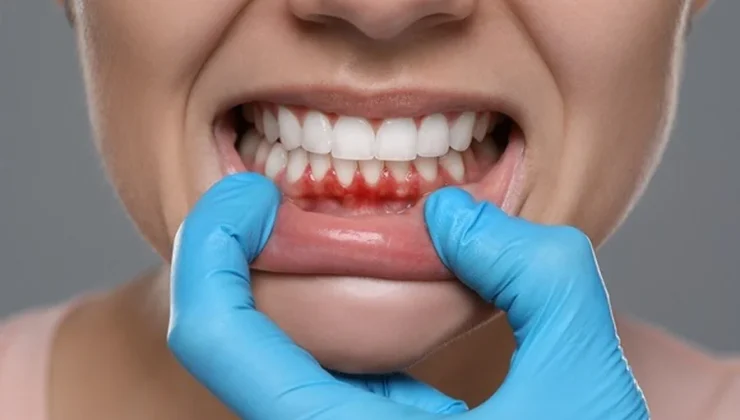
A strong smile starts with healthy gums and bone. Cosmetic dentistry can only go so far if that foundation is weak or infected. You may want whiter teeth, straighter teeth, or a fuller smile. First you need to know if your gums can support that change. A periodontist in Webster, TX checks for hidden infection, bone loss, and gum recession before you commit to cosmetic work. This step protects your health and your wallet. It also helps your cosmetic dentist plan treatment that lasts. Healthy gums hold veneers, crowns, and implants in place. Strong bone keeps your bite stable and your smile steady. When gum care comes first, cosmetic treatment looks better, feels better, and stays longer. You deserve a smile that does not fail early.
Why gums matter before cosmetic treatment
Your gums and jawbone act like the foundation of a house. If that base is weak, cracks show in every room. The same is true for your smile. Thin, swollen, or bleeding gums cannot support cosmetic work for long.
Before whitening, bonding, veneers, or implants, you need three things.
- Gums that do not bleed when you brush or floss
- Bone that holds teeth snug and steady
- No active infection under the gumline
Without this base, cosmetic work can chip, loosen, or fail. You may feel pain when you chew. You may also risk tooth loss. Strong gum health lowers that risk and gives your cosmetic dentist a stable canvas.
What a periodontist checks before cosmetic work
A periodontist focuses on gum and bone support around your teeth. During your visit, you can expect three key checks.
- Gum pocket depth. The periodontist gently measures the space between your teeth and gums. Deep pockets often mean infection.
- Bone levels. X rays show bone loss that you cannot see. This matters most if you plan on crowns, bridges, or implants.
- Gum position. The periodontist looks for recession that exposes the roots of your teeth.
These findings guide your cosmetic plan. For example, gum recession can make veneers look uneven. Bone loss can shorten the life of an implant. Treating these issues early helps you avoid repeat work and extra cost.
Common periodontal problems that affect cosmetic results
Several gum problems can quietly damage your smile. Many cause little or no pain at first.
- Gingivitis. Red, swollen gums that bleed when you brush. This is early gum disease. With care, you can reverse it.
- Periodontitis. Deeper infection that eats away bone and soft tissue. Teeth may loosen or shift over time.
- Gum recession. Gums pull away from teeth. Roots show. Teeth may look long or feel sensitive.
According to the Centers for Disease Control and Prevention, almost half of adults over 30 have some form of gum disease. Many people do not know they have it until they seek cosmetic care. A periodontal exam can reveal silent problems before they ruin new work.
How periodontal treatment supports cosmetic dentistry
Once a periodontist finds a problem, treatment often follows three steps.
- Cleaning below the gumline. Deep cleaning removes plaque and tartar that regular cleaning misses. This helps gums reattach to teeth.
- Correcting gum shape. Gum contouring can even the gumline around teeth. This creates a smooth frame for veneers or crowns.
- Rebuilding support. Bone grafts or soft tissue grafts can add support where it has been lost.
These steps do more than stop disease. They also shape how your smile will look after cosmetic care. Even gum lines, strong bone, and firm attachment give a natural look that lasts.
Comparison of untreated gums and treated gums for cosmetic work
| Condition | Before periodontal treatment | After periodontal treatment
|
|---|---|---|
| Gum health | Bleeding, swelling, or tenderness | Firm, pink, and stable |
| Bone support | Possible bone loss and loose teeth | Improved support and less movement |
| Cosmetic results | Higher risk of chips, gaps, or failure | More stable veneers, crowns, and implants |
| Comfort | Sensitivity and pain while chewing | Improved comfort during daily use |
| Long term cost | More repairs and repeat work | Fewer replacements over time |
Why this matters for children, teens, and adults
Healthy gums matter at every age. Children and teens often focus on braces or aligners. Parents focus on cost and time. Yet swollen or bleeding gums can slow orthodontic progress. In some cases, gum problems can limit how teeth move.
Adults often look for whitening or veneers. At the same time, years of plaque, smoking, stress, or medical conditions may have harmed the gums. Ignoring this history can turn a cosmetic plan into a cycle of repair.
Older adults may face bone loss and missing teeth. For them, periodontal care can open the door to implants or stable dentures. The National Institute of Dental and Craniofacial Research explains how gum disease affects tooth loss and treatment options
How to support your gums before and after cosmetic work
You can protect your investment in three simple ways.
- Brush twice a day with fluoride toothpaste and a soft brush.
- Clean between your teeth every day with floss or other tools your dentist suggests.
- See a dentist or periodontist for regular checkups and cleanings.
Also share your full medical history. Some medicines and conditions raise the risk of gum disease. Honest sharing helps your dental team plan safe care.
Bringing it all together
Cosmetic dentistry can change how you feel when you smile. Yet real change starts under the surface. Strong gums and bone turn short-term touch-ups into lasting results. When you start with periodontal care, you give every veneer, crown, or implant a fair chance to succeed. You also protect your health and avoid regret. Your smile is not just what people see. It is what holds every tooth in place.