
What To Expect From Preventive Care At A Family Dental Practice
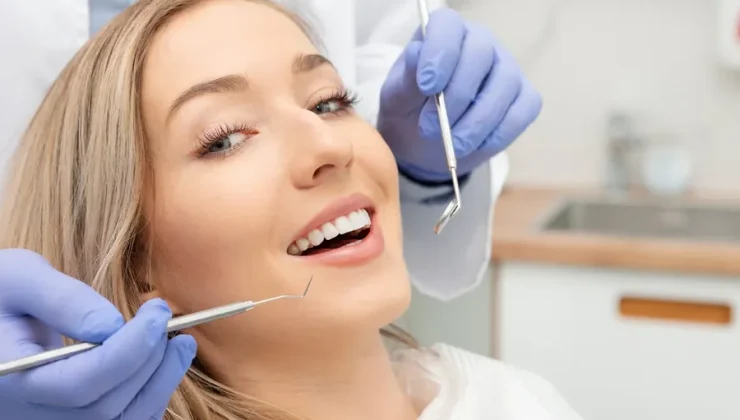
Preventive care protects your teeth before small problems grow into painful emergencies. At a family dental practice, you get steady support that fits your daily life. You can expect clear answers, simple steps, and focused attention on your health, not quick fixes. During a routine visit, your dentist checks your teeth, gums, and jaw. Then the dentist cleans away plaque and tartar that brushing and flossing miss. Next, you talk about your habits, your risks, and your goals. You hear what is working and what is not. If you search for a family dentist Reno offices may feel the same on the surface. Yet what matters is how they guide you visit by visit. Preventive care is not about fear or shame. It is about control, relief, and calm. You leave knowing what comes next and what you can do today.
Why preventive dental care matters for you and your family
Tooth decay and gum disease are common. They are also mostly preventable. The Centers for Disease Control and Prevention explains that regular checkups and cleanings lower your risk of cavities and tooth loss at every age.
Preventive care gives you three clear benefits.
- Less pain for you and your children
- Lower long term costs for treatment
- More control over your daily health
Each visit gives your dentist a chance to stop small trouble before it spreads. That steady watch protects your mouth, your heart, and even your blood sugar levels.
What happens during a routine preventive visit
You should know what to expect when you sit in the chair. A standard preventive visit usually includes the same core steps.
- Review of your medical and dental history
- Conversation about any pain or changes
- Exam of teeth, gums, tongue, and cheeks
- Cleaning to remove plaque and tartar
- Polishing to smooth tooth surfaces
- Flossing and home care review
Sometimes you also receive X-rays, fluoride, or sealants. That depends on your age, your risk, and your past treatment.
Checkups and cleanings for every age group
Needs change as you grow. Yet the core goal stays the same. Keep teeth strong and prevent disease.
Common preventive care by age group
| Age group | Visit frequency | Key services |
|---|---|---|
| Infants and toddlers | Every 6 months after first tooth | Mouth check, growth check, parent guidance |
| Children and teens | Every 6 months | Cleanings, X-rays as needed, fluoride, sealants |
| Adults | Every 6 to 12 months | Cleanings, X-rays as needed, gum checks, cancer screening |
| Pregnant people | As advised, often every 3 to 6 months | Gum checks, cleanings, decay checks |
| Older adults | Every 3 to 6 months | Gum care, dry mouth support, denture checks |
Understanding common preventive treatments
Your family dentist uses simple tools to guard your teeth. Here is what some common treatments mean for you.
- Fluoride treatment. Fluoride strengthens tooth enamel. It helps prevent new cavities and can slow early decay.
- Dental sealants. Sealants are thin coatings on the chewing surfaces of back teeth. They block food and bacteria from hiding in deep grooves.
- Professional cleaning. A hygienist removes plaque and tartar that you cannot reach with a brush. Clean surfaces are easier to keep healthy at home.
- Gum checks. Your dentist measures the space between your teeth and gums. These measurements show early gum disease before you feel pain.
- Oral cancer screening. The dentist looks and feels for lumps, rough spots, or color changes. Early cancer is easier to treat.
Preventive care vs waiting for problems
Many people wait for pain before they see a dentist. That delay often leads to more treatment, more time, and more cost. Preventive care changes that pattern.
Preventive care compared with emergency-based care
| Topic | Preventive care approach | Wait for pain approach |
|---|---|---|
| Timing of visits | Planned every few months | Unplanned when pain strikes |
| Common treatments | Cleanings, fluoride, sealants | Root canals, extractions, crowns |
| Pain level | Low discomfort | High pain before and during care |
| Costs over time | Small steady costs | Large sudden costs |
| Tooth loss risk | Lower risk | Higher risk |
This comparison shows why steady visits protect both your mouth and your budget.
How your daily habits support preventive care
Your choices between visits shape your results. Three simple habits give the strongest base for preventive care.
- Brush twice a day with fluoride toothpaste
- Floss once a day
- Limit sugary drinks and snacks
These steps sound small. They still offer strong protection when you follow them every day. Your dentist can show you how to brush and floss with less strain and better reach. That guidance helps children, older adults, and anyone with limited hand strength.
What to ask your family dentist during visits
Clear questions turn a short visit into a strong plan. You can ask three key questions each time.
- What is my current risk for cavities and gum disease
- What should I change at home before my next visit
- What warning signs mean I should call sooner
You can also ask about safe care during pregnancy, sports mouthguards for children, or dry mouth care with daily medicines. Honest questions help your dentist shape care that fits your life and your budget.
Taking the next step
Preventive care at a family dental practice gives you structure, not pressure. You know when to come in, what will happen, and how to keep your mouth healthy at home. That clarity lowers fear for children and adults. It replaces worry with a steady plan and clear next steps.