
How to Create an Inspiring and Functional Sewing Room
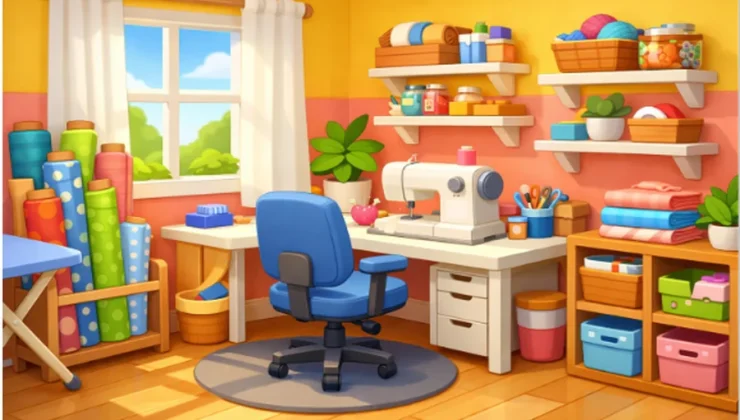
Key Takeaways
- An inspiring sewing room enhances creativity and productivity.
- Color choices and personal touches influence mood and motivation.
- Ergonomic furnishings and organized storage improve comfort and workflow.
- Lighting and natural elements support focus and well-being.
- Resources like specialty fabric shops provide inspiration for your next project.
Importance of an Inspiring Sewing Space
Designing a sewing room that inspires and supports your creativity is a transformative step for any crafter. A thoughtfully curated space affects not only your mood but also the efficiency and enjoyment of your work. Your sewing environment can awaken new ideas, help you maintain focus, and foster an ongoing desire to return and create. As you contemplate your sewing space, explore Inspirational fabric shop designs for ideas on layout, color, and organizational strategies that make the most of your area.
Research has linked spatial design factors to creative productivity, reinforcing the need to invest time and energy into designing a workspace tailored to your needs and preferences. The combination of beauty and function transforms any room from a utilitarian corner into a sanctuary that motivates you to pursue your projects with passion.
With the right touches, your sewing room can become a retreat that supports creative focus while minimizing distractions. A study published in the Cambridge Journal emphasizes how an organized, visually pleasing workspace directly correlates to higher creative output and reduced stress levels.
Even hobbyists and beginners benefit from a thoughtfully arranged space. Regardless of skill level or available square footage, prioritizing comfort, organization, and personalization can yield tangible improvements in your crafting experience.
Choosing the Right Color Scheme
The color palette you choose sets the tone for your workspace. Soft blues and greens are known to create a calming, restful environment suited for focused work, while energetic hues such as yellow or coral can add vibrancy and spark innovation. According to experts at Seamwork, matching the room’s color scheme to your personal preferences and the nature of your creative projects will yield the most inspiring results.
Accent walls, fabric drapery, framed art, and colorful storage containers offer simple ways to infuse your chosen shades into the room. The right color can complement natural lighting and help define functional areas within your sewing zone.
Ergonomic Furniture and Layout
Prolonged sessions at the sewing machine require ergonomic support to prevent fatigue and strain. Invest in a comfortable chair with proper lumbar support, and opt for a sturdy worktable with adjustable height if possible. Prioritize placing your commonly used tools and supplies within arm’s reach to prevent needless stretching or interruptions in workflow. This thoughtful approach to workspace arrangement, as suggested by Lowes, will help maintain both productivity and well-being.
Arranging your workstations according to task, with defined areas for cutting, ironing, and assembly, improves efficiency and allows you to move effortlessly between each step of your process. Modular furniture and rolling carts can also provide flexible options for changing needs or limited spaces.
Effective Organization and Storage
Keeping your creative zone tidy and organized is central to sustaining motivation. Use shelving, clear bins, baskets, and pegboards to store fabrics, tools, and trims efficiently. Labeling everything can reduce time spent searching for supplies and allows you to develop a consistent routine. Knitting productivity is enhanced by having clear categories and accessible containers for materials.
Utilize vertical space by mounting shelves or hooks for lightweight tools and fabric rolls. Multi-functional furniture, such as benches or tables with built-in storage, maximizes small rooms and serves dual purposes, helping to keep clutter off work surfaces.
Personalizing Your Space
Your sewing room should reflect your creative identity. Decorate with framed textile art, favorite quotes, or mementos from previous projects. Displaying finished works and inspirational imagery can foster a positive, motivating environment and remind you of your unique journey as a creator. Adding touches of your personal style, even in utility items, helps keep your sewing room joyful and inviting. Advice from Seamwork highlights the value of personalization in promoting sustained creativity.
Incorporating Natural Elements
Natural materials and greenery can dramatically impact your well-being and productivity. Small potted plants or fresh flowers brighten your workspace and help filter the air. Wooden organizers, bamboo baskets, or linen accents add warmth and texture, connecting your creative pursuits with the calming influence of nature. Studies discussed by Boston.com affirm the benefits of nature-inspired design for reducing stress and increasing focus.
Lighting for Creativity
Light is essential in a sewing room, both for accuracy and for preventing eye strain. Natural daylight, when possible, delivers the best illumination, so position your primary workstation near windows. If abundant natural light isn’t available, equip your space with adjustable desk lamps, daylight bulbs, or overhead track lighting to provide consistent, even coverage. Swiveling task lights and magnifiers are particularly useful for detail-oriented activities like hand stitching or pattern drafting. Good lighting offers comfort and ensures your projects turn out as intended, as confirmed in resources from Architectural Digest.
Fabric Design Treasures as Your Inspiration Source
Unique textiles can spark creativity and guide your next project. A curated selection of new and vintage fabrics, such as those found at specialty shops, allows you to explore color, pattern, and texture and imagine fresh applications for your sewing practice. These materials offer the excitement of discovery and can lead to innovative designs that express your individuality.
Key Takeaways
- Design and organization are central to a productive, inspiring sewing room.
- Intentional choices in color, furnishings, and storage elevate your creative routines.
- Lighting and personalized touches foster comfort and motivation in your workspace.
- Layer your inspiration by seeking out unique fabrics and decorative elements that speak to your style.
Frequently Asked Questions
How can I choose the best color scheme for my sewing room?
Think about the energy and mood you want to set. Calming tones such as muted blues and soft greens promote focus, while bright or warm accents energize the space. Allow your creative personality and project types to guide your palette for a customized feel.
What are some effective storage solutions for small sewing spaces?
Utilize wall-mounted shelving and pegboards to free up work surfaces. Look for furniture that incorporates storage, such as fold-out tables with drawers or benches with space inside. Group items by use and clearly label bins for efficiency.
How does lighting affect my sewing projects?
Good lighting prevents eye fatigue and mistakes, especially when cutting, stitching, or reading patterns. Position work areas near natural light sources if possible or invest in adjustable task lighting to ensure clarity for detailed work.
Where can I find unique fabrics to inspire my projects?
Specialty online shops and independent fabric stores often carry distinctive selections. Explore artisanal or global textiles for new ideas that can elevate your sewing projects and reflect your creative personality.