
NEMA 6P Enclosures: Reliable Protection for Equipment in Demanding Environments
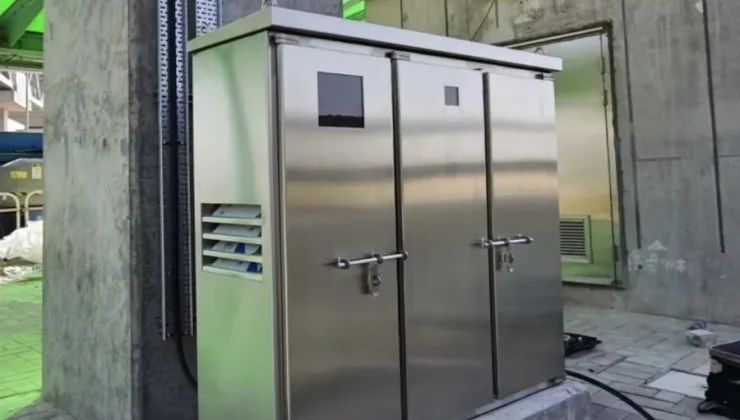
Electrical and electronic equipment often works in places where dust, water, corrosion, and harsh weather are part of daily operations. From outdoor control panels to industrial automation systems, sensitive components need more than a basic box around them. They need an enclosure that can help protect performance, safety, and long-term reliability.
That is where NEMA 6P Enclosures become especially important.
These enclosures are designed for environments where equipment may be exposed to heavy water contact, temporary or prolonged submersion, dirt, ice, and corrosive conditions. They are commonly used in industries where failure is not just inconvenient but costly. For businesses that rely on pumps, sensors, electrical controls, communication systems, or automation equipment, choosing the right enclosure can help prevent downtime and extend the life of critical assets.
Understanding what NEMA 6P Enclosures are, where they are used, and how to choose the right one can make a major difference in system protection and operational confidence.
What Are NEMA 6P Enclosures?
NEMA 6P Enclosures are protective housings built to meet a specific rating established by the National Electrical Manufacturers Association. NEMA ratings help define how well an enclosure protects internal equipment from environmental hazards.
A NEMA 6P rating means the enclosure is designed to provide protection against water, dust, falling dirt, hose-directed water, external ice formation, and prolonged submersion under limited conditions. This makes it one of the stronger enclosure options for areas where moisture exposure is a serious concern.
Unlike general-purpose enclosures, NEMA 6P Enclosures are built for more aggressive environments. They are often used where electrical components may be near water, underground, outdoors, or in washdown areas.
Why the 6P Rating Matters
The “6P” designation matters because it goes beyond splash protection. Some enclosures can handle rain or light water spray, but not submersion. Others can resist dust but may fail when exposed to pressure from water or harsh cleaning routines.
NEMA 6P Enclosures are made for tougher conditions. They are designed to maintain protection even when the enclosure is temporarily or continuously submerged within specified limits. This makes them useful in areas such as wastewater systems, marine facilities, underground utility spaces, and industrial sites where water intrusion is a constant risk.
What They Protect Against
NEMA 6P Enclosures are commonly selected to guard equipment against several common threats.
These include water intrusion, dust, dirt, corrosion, moisture buildup, ice formation, and accidental contact with sensitive internal components. The goal is to create a dependable barrier between the equipment and the surrounding environment.
That protection can be especially important for control boards, wiring connections, switches, meters, and automation devices. When water or debris reaches these components, it can cause short circuits, signal problems, corrosion, or complete system failure.
Common Uses for NEMA 6P Enclosures
NEMA 6P Enclosures are used across many industries because they provide a high level of environmental protection. They are especially useful in locations where water exposure is not occasional but expected.
Industrial Automation and Controls
Industrial facilities often use electronic control systems to manage machinery, production lines, pumps, and monitoring equipment. These systems may be installed near water, chemicals, dust, or temperature changes.
In these settings, NEMA 6P Enclosures help protect programmable logic controllers, control relays, wiring terminals, and other automation components. The enclosure keeps the system protected so operations can continue with fewer interruptions.
A manufacturing plant, for example, may use washdown procedures to clean equipment. If electrical controls are nearby, they need housing that can withstand repeated exposure to moisture. A properly selected enclosure helps reduce the risk of water damage during routine cleaning.
Wastewater and Water Treatment Facilities
Water and wastewater treatment plants are among the most common environments for NEMA 6P Enclosures. These facilities often contain pumps, valves, sensors, and electrical controls near tanks, basins, wet wells, or underground areas.
Moisture is always present, and equipment may be exposed to splashing, flooding, or corrosive gases. Using a standard enclosure in this kind of setting may lead to premature damage.
NEMA 6P Enclosures are a practical choice because they offer protection against water ingress and environmental stress. They help support consistent equipment performance in facilities that must operate around the clock.
Marine and Coastal Applications
Marine environments can be especially hard on electrical systems. Saltwater, humidity, wind, and corrosion can quickly damage exposed components.
NEMA 6P Enclosures are often used in docks, marinas, shipyards, coastal facilities, and offshore equipment installations. Their protective design helps shield electrical and electronic systems from water exposure and corrosive conditions.
In coastal applications, material selection becomes especially important. Stainless steel or non-metallic options are often preferred because they can better resist corrosion caused by salt and moisture.
Underground and Utility Installations
Utility systems are often placed underground or in areas where water can collect. Electrical connections, monitoring devices, and communication equipment may be installed in vaults, tunnels, or buried access points.
These locations are vulnerable to flooding and condensation. NEMA 6P Enclosures help protect the equipment inside, reducing the chance of water-related failures.
For utilities and infrastructure operators, this kind of protection is valuable because repairs in underground locations can be difficult, expensive, and time-consuming.
Food Processing and Washdown Areas
Food and beverage facilities often require regular cleaning with water, chemicals, and high-pressure washdown procedures. Electrical equipment in these spaces must be protected from moisture and cleaning agents.
NEMA 6P Enclosures can be used in certain washdown environments where exposure is intense and frequent. They help protect controls, switches, and monitoring equipment while supporting cleanliness and operational reliability.
However, it is still important to select materials that are compatible with the specific cleaning chemicals used in the facility.
Key Benefits of NEMA 6P Enclosures
Choosing the right enclosure is not just about meeting a rating requirement. It is also about protecting equipment investments and reducing avoidable problems.
Strong Water Protection
The most obvious benefit of NEMA 6P Enclosures is their ability to protect against water intrusion. In many environments, even a small amount of moisture can cause major damage to electrical components.
Water can corrode terminals, weaken insulation, cause short circuits, and disrupt signals. Once moisture enters an enclosure, damage may happen slowly or suddenly.
A NEMA 6P-rated enclosure helps reduce that risk by creating a sealed barrier around sensitive equipment. This is especially valuable in locations where water exposure is frequent or unavoidable.
Improved Equipment Lifespan
Electrical equipment is expensive to replace. Even when individual parts are not costly, the downtime caused by failure can be far more expensive than the component itself.
By protecting internal equipment from water, dust, and corrosion, NEMA 6P Enclosures can help extend system lifespan. Components remain cleaner, drier, and better shielded from environmental wear.
This can reduce the need for frequent repairs and help businesses get more value from their equipment over time.
Reduced Downtime
Unexpected equipment failure can interrupt production, delay service, or create safety risks. In industries such as water treatment, manufacturing, utilities, and transportation, downtime can quickly become costly.
NEMA 6P Enclosures help reduce downtime by protecting the equipment that keeps systems running. When controls, sensors, or power connections are properly housed, they are less likely to fail due to environmental exposure.
This does not eliminate all maintenance needs, but it can help reduce avoidable failures.
Safety Support
Electrical safety is another important reason to use the right enclosure. When water and electrical components mix, the risk of shock, fire, or equipment damage increases.
NEMA 6P Enclosures help create a safer operating environment by limiting exposure to live electrical parts. They also help protect workers from accidental contact with internal components.
In industrial and public infrastructure settings, proper enclosure selection is part of a broader safety strategy.
Materials Used for NEMA 6P Enclosures
Not all NEMA 6P Enclosures are made from the same materials. The right material depends on the environment, the equipment inside, and the type of exposure expected.
Stainless Steel
Stainless steel is a popular choice for harsh environments because it offers strength and corrosion resistance. It is commonly used in food processing, marine, wastewater, and industrial applications.
Type 304 stainless steel is suitable for many general industrial environments. Type 316 stainless steel offers stronger corrosion resistance and is often preferred in marine or chemical-heavy settings.
Stainless steel enclosures are durable, professional-looking, and suitable for demanding conditions.
Fiberglass
Fiberglass enclosures are lightweight, corrosion-resistant, and non-conductive. They are often used in chemical plants, wastewater facilities, outdoor locations, and coastal environments.
Because fiberglass does not rust, it can be a strong option where moisture and chemicals are present. It also offers good resistance to UV exposure when properly formulated.
Fiberglass may be preferred when weight, corrosion resistance, and electrical insulation are important factors.
Polycarbonate and Other Non-Metallic Materials
Polycarbonate and other engineered plastics are used for smaller enclosures or applications where impact resistance, visibility, and corrosion resistance matter.
These materials can be suitable for certain outdoor and wet environments, though they must be chosen carefully based on temperature, UV exposure, and chemical compatibility.
Non-metallic enclosures are often easier to modify and install, but they may not provide the same strength as metal options in heavy-duty applications.
How to Choose the Right NEMA 6P Enclosure
Selecting the right enclosure requires more than choosing the highest rating available. The enclosure must match the actual environment and equipment requirements.
Consider the Installation Location
The first step is understanding where the enclosure will be installed. Is it outdoors? Underground? Near saltwater? Inside a washdown area? In a facility with chemical exposure?
Each environment creates different risks. A coastal marina may need corrosion resistance. A wastewater plant may need protection from moisture and gases. A food processing facility may need compatibility with cleaning chemicals.
The location should guide both the enclosure rating and the material choice.
Know the Type of Water Exposure
Not all water exposure is the same. Rain, splashing, washdown, flooding, and submersion each create different demands.
NEMA 6P Enclosures are suitable for submersion within defined limits, but it is still important to understand the expected depth, duration, and frequency of exposure. If the enclosure will be submerged often or for extended periods, confirm that the chosen model is designed for that specific use.
This is one area where assumptions can lead to expensive mistakes.
Match the Size to the Equipment
An enclosure should provide enough space for all internal components, wiring, airflow, and future maintenance access.
Choosing an enclosure that is too small can make installation difficult and increase heat buildup. Choosing one that is too large may add unnecessary cost and require more mounting space.
The best option allows clean wiring, proper spacing, and easy access for inspection or repairs.
Think About Heat Management
Sealed enclosures can trap heat. If the equipment inside generates heat, thermal management becomes important.
Some applications may require heat sinks, internal fans, air conditioners, or other cooling methods. However, adding ventilation must be done carefully because openings can affect the enclosure’s protective rating.
Before choosing an enclosure, review the heat output of the equipment inside and the temperature range of the surrounding environment.
Review Gasket and Seal Quality
The gasket is one of the most important parts of any water-resistant enclosure. It helps create the seal that prevents water and dust from entering.
Over time, gaskets can wear, crack, compress, or become damaged. High-quality seals are essential for maintaining protection.
When evaluating NEMA 6P Enclosures, look at the gasket material, closure design, and maintenance requirements. A strong enclosure is only effective if the seal remains reliable.
Installation and Maintenance Best Practices
Even the right enclosure can fail if it is installed poorly. Proper installation and maintenance help preserve the enclosure’s protective performance.
Use Proper Cable Entries
Cable glands, conduit hubs, and fittings must match the enclosure rating. If cables enter through poorly sealed openings, water can still get inside.
Every hole or modification made to the enclosure should be sealed properly. It is also wise to avoid unnecessary penetrations whenever possible.
Using rated accessories helps maintain the integrity of the enclosure.
Mount the Enclosure Securely
The enclosure should be mounted in a stable location where it is protected from unnecessary impact, vibration, or stress. Mounting hardware should be compatible with the environment.
In outdoor or corrosive settings, stainless steel hardware is often a better option than standard fasteners. Poor hardware selection can lead to rust, loosening, or enclosure damage over time.
Inspect Seals Regularly
Routine inspection is simple but important. Check gaskets, hinges, latches, cable entries, and mounting points.
Look for signs of cracking, corrosion, water marks, or loose fittings. If a gasket is worn or damaged, replace it promptly.
Regular checks can prevent small issues from becoming major failures.
Avoid Unapproved Modifications
Cutting extra holes, adding vents, or changing hardware can reduce the enclosure’s rating. Any modification should be done carefully and with compatible rated parts.
If a project requires custom openings, it is often better to work with a manufacturer or supplier that can provide properly engineered modifications.
NEMA 6P vs. Other Enclosure Ratings
It is helpful to understand how NEMA 6P compares with other common ratings.
NEMA 4 enclosures protect against rain, splashing water, and hose-directed water. NEMA 4X adds corrosion resistance. NEMA 6 protects against temporary submersion. NEMA 6P goes further by providing protection against prolonged submersion under specified conditions.
This does not mean NEMA 6P is always the best choice for every project. In some cases, NEMA 4X may be enough. In others, the submersion protection of NEMA 6P is necessary.
The right choice depends on the environment and the level of risk.
Final Thoughts on NEMA 6P Enclosures
NEMA 6P Enclosures are built for places where ordinary protection is not enough. They help shield electrical and electronic equipment from water, dust, dirt, corrosion, ice, and submersion-related risks.
For industries that operate in wet, outdoor, underground, marine, or washdown environments, these enclosures offer practical protection and long-term value. They can help reduce downtime, support safety, extend equipment life, and protect important systems from environmental damage.
The key is choosing the right enclosure for the specific application. Material, size, seal quality, cable entry design, heat management, and installation practices all matter.
When selected and maintained properly, NEMA 6P Enclosures provide a dependable layer of protection for equipment that needs to perform in some of the toughest operating conditions.