
Bathroom Renovations That Actually Add Value to Your Home
Not every bathroom upgrade pays you back: homeowners often sink money into trends that look impressive but do little for resale value, while overlooking the changes buyers and surveyors actually notice. If you’re planning a renovation with an eye on long-term value rather than a quick refresh, it helps to know which choices genuinely move the needle.
The biggest mistake is treating a bathroom renovation as a purely cosmetic project. A fresh coat of paint or a new mirror can lift the mood of a room, but it won’t change how a valuer or prospective buyer assesses the space. What tends to matter more is functionality and finish quality: does the layout make sense, is the storage adequate, and do the fittings feel built to last rather than bought on a whim? This is where investing in good bathroom furniture tends to outperform smaller decorative swaps, since well-made vanities and storage units read as a considered, durable upgrade rather than a surface-level fix.
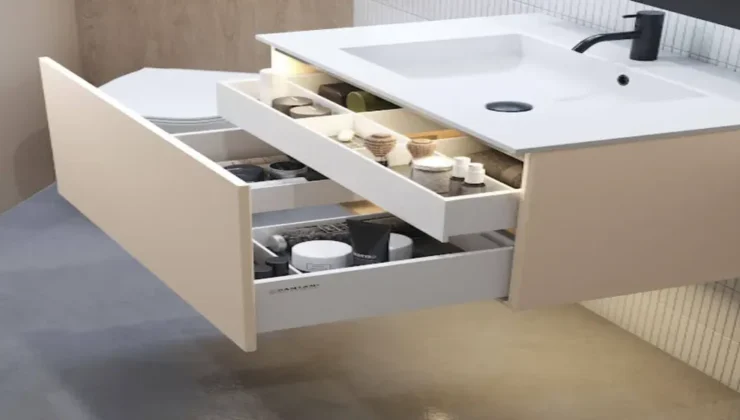
Storage is one of the most underrated value drivers in a bathroom. Cramped bathrooms with no dedicated space for toiletries, towels, or cleaning products feel smaller and less functional than they are, and that impression sticks with buyers touring a home. Swapping a dated pedestal sink for a vanity unit with built-in storage solves this instantly, and it’s a change that photographs well for listings too, an increasingly important factor now that most house-hunting starts online.
Prioritise Durability Over Trends
Bold tile patterns and statement colour schemes date quickly, and what feels current today can look tired within a few years. Neutral, well-finished surfaces paired with quality fixtures tend to age better and appeal to a wider range of buyers. This doesn’t mean the bathroom has to be bland; it means putting the budget into materials and craftsmanship rather than short-lived trends.
Water-tight seals, properly fitted units, and finishes that resist moisture damage all matter more than they might seem at first glance. A renovation that looks great on day one but shows signs of wear within a year can actually hurt resale value, since it signals poor workmanship to anyone inspecting the property closely.
Small Changes, Real Returns
You don’t need a full gut renovation to see a return. Updating lighting, replacing an ageing vanity, or improving ventilation can each make a noticeable difference without the cost or disruption of a complete overhaul. According to Nationwide Building Society’s analysis of UK house prices, an additional bathroom can add around 6% to the value of an average home, and even modest quality-of-finish improvements to existing bathrooms tend to influence how buyers perceive a property overall.
Timing Matters Too
When you renovate can be just as important as what you renovate. Tackling a bathroom update well ahead of a sale gives fixtures and finishes time to settle in and lose that “just installed” look, which some buyers read as an attempt to mask underlying issues. It also gives you room to fix any snagging problems quietly, rather than have them surface during a survey. If you’re renovating purely for your own enjoyment rather than an imminent sale, this is less of a concern, but if resale value is the goal, planning the work twelve to eighteen months out tends to produce a better outcome than a last-minute refresh.
The Bottom Line
A bathroom renovation adds real value when it prioritises function, durability, and quality over passing trends. Thoughtful choices, proper storage, well-made fixtures, and finishes built to last do more for a home’s long-term appeal than a purely decorative refresh ever will.