
Basement Flood Water Removal And Clean Up Guide For Your Safety
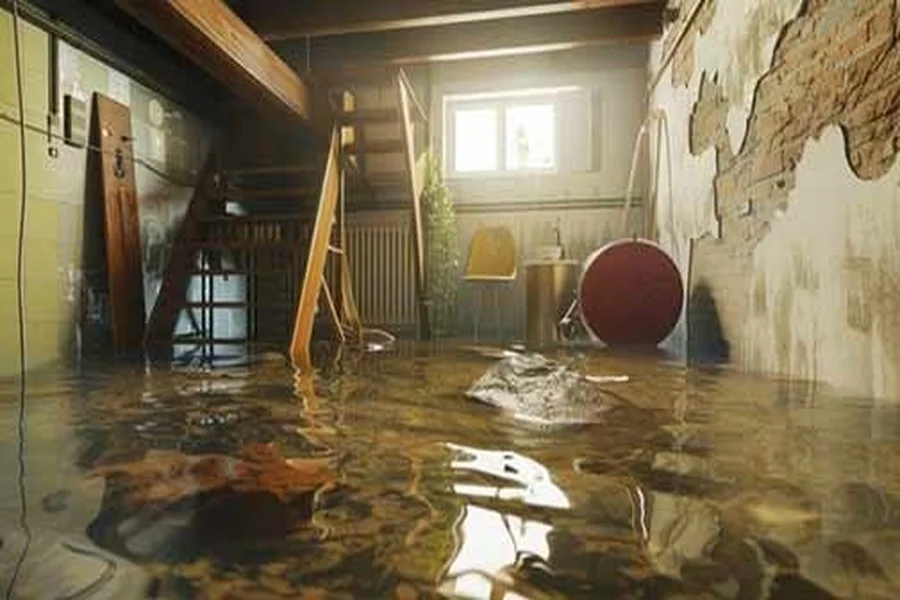
For any homeowner, a flooded basement may be a nightmare. Since it may result in expensive repairs and long-term damage.
Whether it’s a busted pipe, a malfunctioning sump pump, or excessive rain. It’s imperative to act swiftly and efficiently.
Here is a guide for your safety.
Prioritize safety by safeguarding your house and yourself.
Safety should come first before beginning the cleaning procedure. Floodwater can be hazardous. Particularly if electrical systems come into contact with water or if it is polluted.
- Cut the Power: Cut off the electricity to your house if the water level has reached any outlets, devices, or circuit breakers. Before you enter the flooded area. Contact an electrician if you are unable to securely access the breaker box.
- Put on Safety Gear: To protect yourself from any pollutants in the flooding. For such chemicals or sewage, put on a face mask, gloves, and rubber boots.
Cut Off the Water’s Source
Finding the source as soon as possible is essential to preventing more floods. This stage in the cleanup process for the basement’s water damage will lessen.
If the destruction is caused by a busted pipe or other plumbing problem. Disconnect off the primary supply.
Close doors, windows, and any other openings where floodwater could be entering. Verify that the sump pump is operating correctly or fix it right away.
The first thing you should do to keep the problem from getting worse is to stop the flow.
For insurance claims, keep a record of the damage.
For insurance purposes, note the damage before starting the real flood cleaning. To make sure you’re covered for repairs, you must take this step.
- Take pictures and videos to document the flooding’s magnitude. Also, the level with the ground and the property damage. Obtain crisp pictures of the impacted furniture, walls, and flooring.
- Speak with your Insurance Provider: Inform them about the disaster and start the claims procedure. They will provide you with the measures you need to take before proceeding.
Launch the Removal Procedure Right Away
When cleaning up a basement flood, timing is important. The foundation, walls, and flooring of your house sustain additional damage.
- Employ a Sump Pump or a Wet/Dry Vacuum: Smaller volumes of wetness can be removed using a wet/dry vacuum. If the depth of the water is controllable. A sump pump could be required during greater floods to extract water more quickly.
- For Extreme Floods: Contact a qualified mitigation business in the event of catastrophic flooding – click https://nychazardmitigation.com/documentation/hazard-profiles/flooding/ for further reading.
To stop more damage. The crew swiftly and securely removes significant amounts of moisture using specialist equipment.
To avoid mold, thoroughly dry the basement.
The room can remain wet after the liquid substance has been removed. This might encourage the formation.
Drying up the space as soon as possible is essential. Since this may grow there in as little as 24 to 48 hours.
- Install fans and dehumidifiers: To expedite the drying process, use industrial-grade fans and dehumidifiers. Depending on how severe the wetness is. You might have to run them nonstop for a few days.
- Eliminate any ruined items: Remove any drenched fabrics, furniture, and carpets. If these things are irreparably destroyed, they might have to be thrown out.
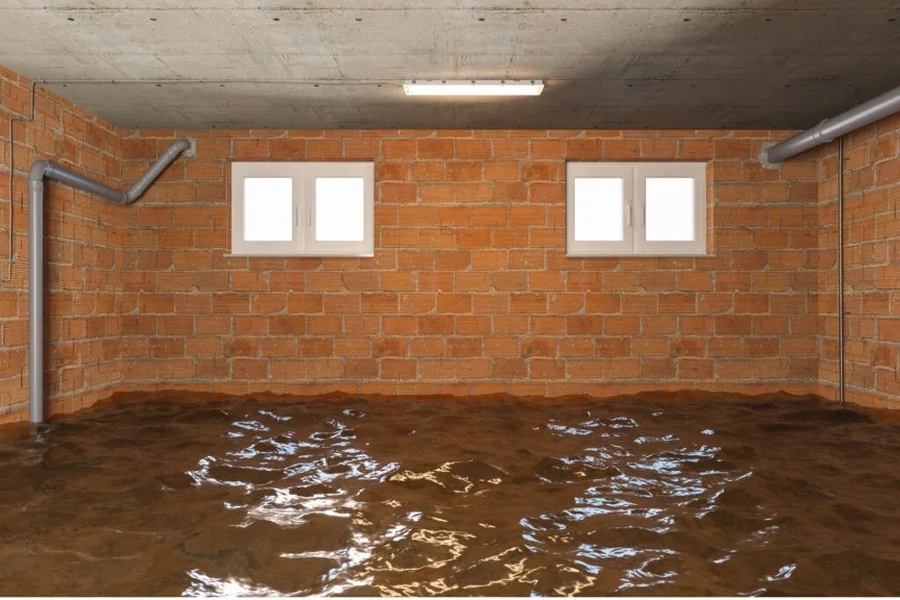
Clean the Space and Stop the Growth of Mold
Disinfecting all surfaces once the area has dried is crucial to stopping the growth of germs and mold.
- Apply a bleaching agent or cleaning.: Use a professional cleaner or a bleach solution to clean. In damp areas, this may spread fast, so be thorough.
- Keep a watch out for symptoms.: Even after cleaning, look for any indications of mold growth in the basement. Such as discoloration or musty smells. You should think about contacting a professional remediation agency if you find them.
Speak with a Mitigation Expert
Future issues may arise from concealed moisture or mold development. This persists even after the most thorough expert flood cleaning. For this reason, it’s usually preferable to hire an accredited mitigation team.
- Moisture Detection: To locate concealed liquid pockets that are difficult to see or feel. Experts employ sophisticated moisture detection technology.
- Complete Restoration Services: These usually include drying, mold removal, and extraction. Guaranteeing that your basement is completely returned to its pre-flood state.
Why is it so important to clean up basement floods quickly?
In the event of a flood, prompt action is essential to avoid permanent loss. The longer moisture remains in the room. The faster it erodes your home’s structural integrity and encourages the growth of mold.
- Avoid Foundation Damage: Floodwater may weaken the foundation of your house when stagnant. Leading to warping, fractures, and other major problems – useful content to check out.
- Prevent Mold Growth: Within 24 hours, this might start to form. Which could pose health risks and need expensive cleanup.
- Save Your Possessions: You have a higher chance of preserving priceless objects like electronics, furniture, and mementos. If you remove water from them quickly.