
Harnessing AI for Effective Audience Identification in Digital Marketing
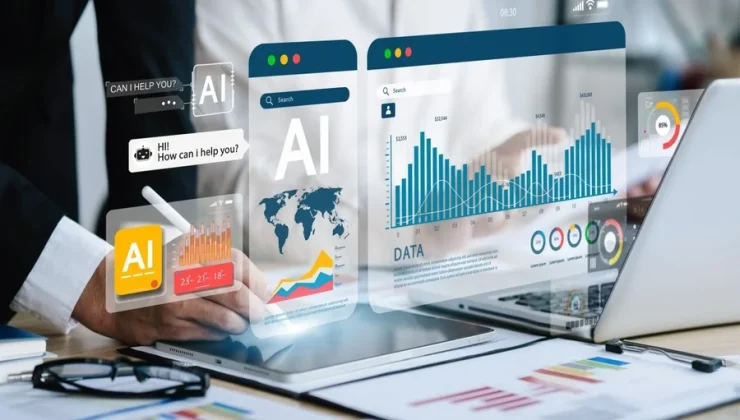
In today’s fast-paced digital world, a marketer’s ability to identify and reach their ideal audience accurately can mean the difference between a thriving campaign and a wasted budget. While traditional approaches rely heavily on assumptions and manual data crunching, modern solutions have shifted towards advanced automation and intelligence. Increasingly, marketing teams and organizations are utilizing sophisticated ad tech platforms to navigate the ever-growing mountains of consumer data, achieving levels of audience precision that were previously unimaginable. This evolving marketing landscape uses AI to make outreach more relevant by transforming data collection and revealing trends in real-time. AI helps launch products, optimize ads, and nurture leads, giving brands a competitive edge. Advances in machine learning, natural language processing, and predictive analytics allow for precise consumer insights, minimizing wasted spend and enhancing engagement. Marketers now make data-driven decisions with the expanding tools of AI. This article examines the impact of AI on audience targeting, the benefits of strategy, integration steps, and how to adapt to industry changes.
AI in Audience Identification
AI-driven audience identification has redefined how marketers approach targeting. Machine learning algorithms sift through countless digital touchpoints to uncover behavioral and demographic trends. For instance, AI can analyze browsing patterns, past purchases, and social media engagement, cross-referencing them against real-time datasets to segment audiences with unsurpassed accuracy. No longer bound by generalized personas, marketers can speak directly to micro-segments with highly relevant messaging.
Platforms using AI models continuously adapt as more data becomes available, ensuring audience profiles remain current and reflective of changing preferences. Predictive analytics anticipates consumers’ next moves—helping brands connect at key moments in the customer journey, boost engagement, and drive higher conversion rates.
Benefits of AI-Driven Strategies
Introducing AI into the marketing mix delivers several tangible advantages. First, AI offers enhanced precision by segmenting audiences far beyond basic demographics, accounting for psychographics and real-world behaviors that might otherwise go undetected. Second, AI’s improved efficiency reduces manual analysis time, enabling marketing teams to focus on creative strategy and campaign execution. Finally, AI enables personalization at scale—serving dynamic content and tailored offers that capture individual users’ attention and significantly improve results.
Companies leveraging AI-powered audience insights have seen engagement increases of up to 20%, with similarly improved ROI on marketing spend. As the technology matures, these benefits are projected to become even more pronounced.
Implementing AI in Your Marketing
To leverage AI in audience targeting, marketers should evaluate their data sources, including website analytics, CRM, purchase history, and feedback, to enable better segmentation. Choosing AI tools that integrate well with existing systems and are scalable is crucial. These platforms should combine analysis and activation to deploy real-time insights across channels. Continuous learning and updates with new engagement data are essential for AI refinement. Regularly updating systems helps marketers understand audiences better, leading to ongoing optimization and long-term value.
Staying Ahead with AI
With technology evolving rapidly, marketers must remain agile to capitalize on new advancements. Following key publications, industry events, and forums keeps you informed about trends, regulations, and AI in marketing. Continuous learning is vital to stay ahead. Privacy-centric AI, balancing personalization with user anonymity and compliance, is a key trend. Transparent, consumer-first tactics build trust and loyalty, helping marketers stand out. Utilizing AI for audience targeting is now crucial to optimizing marketing efforts and securing your organization’s digital future.
Conclusion
In conclusion, AI has fundamentally transformed audience identification, enabling marketers to move beyond broad assumptions and engage with consumers on a highly individualized level. By leveraging predictive analytics, continuous learning, and real-time insights, businesses can deliver targeted messaging that resonates with specific micro-segments, thereby enhancing engagement and driving measurable results. Implementing AI thoughtfully—through comprehensive data collection, appropriate tool selection, and ongoing optimization—ensures that these benefits are sustainable and scalable. As technology continues to advance, organizations that adopt AI-driven strategies while upholding transparency and privacy standards will not only achieve stronger marketing performance but also cultivate lasting trust and loyalty with their audiences.