
How Veterinary Hospitals Handle Complex Surgeries
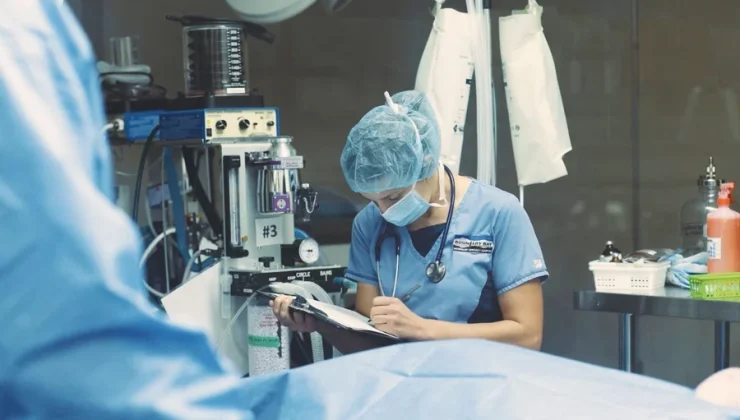
Complex surgery on an animal can shake you. You want straight answers. You want to know what happens when your pet needs more than a routine exam. This blog explains how veterinary hospitals prepare, plan, and act when every second matters. You will see who is in the room, what tools they use, and how they reduce risk before, during, and after surgery. You will also learn how a veterinarian in South Meridian works with nurses, technicians, and you to build a clear plan. Every choice follows strict steps. Every step protects breathing, pain control, and safety. You will understand how hospitals handle blood loss, infection control, and sudden changes in heart rate. You will see how careful checks continue after surgery, through recovery, and follow-up. By the end, you can ask sharper questions and stand stronger for your pet.
Building the surgery team
Complex surgery is never a one-person job. Your pet gets a team. Each person has a clear task. No one guesses. Each move follows a plan.
Most complex surgery teams include three core roles.
- Surgeon. Leads the operation and makes final choices.
- Anesthetist. Watches breathing, heart rate, and pain control.
- Technician or nurse. Prepares tools and supports the surgeon.
Many hospitals add support staff for lab tests, imaging, and cleaning. Every person focuses on a narrow set of steps. That tight focus protects your pet.
You can learn more about surgery teams from the American Veterinary Medical Association
Pre surgery checks and planning
Good surgery starts long before the first cut. The goal is simple. Find risk early and reduce it.
- History and exam. You answer questions about age, past illness, and medicine use. The team checks the heart, lungs, and weight.
- Testing. Blood work, urine tests, and sometimes X-rays or an ultrasound. These checks guide drug choice and fluid plans.
- Risk talk. The surgeon explains options, cost, and possible results. You give consent with full awareness.
Hospitals use these findings to build a written plan. They set drug doses, fluid rates, and needed blood products. They also set backup steps in case of a sudden change.
How anesthesia protects your pet
Anesthesia can scare many owners. Clear facts can calm that fear. Complex surgery uses strong drugs. Careful control keeps your pet safe.
Most hospitals follow three anesthesia phases.
- Pre-medication. Drugs for calm, pain relief, and nausea control.
- Induction. Short drugs that let staff place a breathing tube.
- Maintenance. Gas and oxygen keep your pet asleep through the surgery.
During all phases, the anesthetist tracks key signs. Heart rate, blood pressure, oxygen level, and temperature guide every choice.
Inside the operating room
Once your pet is asleep the team moves with a strict routine. Clean steps prevent infection. Clear talk prevents mistakes.
Most operating rooms follow three key habits.
- Sterile prep,. Staff scrub hands, wear caps, masks, and gowns. The skin around the cut site is shaved and scrubbed.
- Tool control. Packs of tools are counted before and after surgery. Only sterile tools touch the open body.
- Constant talk. The surgeon and anesthetist share updates on blood loss, heart rate, and progress.
Complex cases often use extra tools such as suction, cautery to control bleeding, and imaging screens. Yet the core goal stays simple. Cut what must be cut. Protect what must be left alone.
How hospitals track safety data
Many hospitals use checklists and written records for every complex surgery. These records help them improve care. They also help you compare clinics.
The table below lists common safety steps and how they help your pet.
| Safety step | When it happens | Why it matters
|
|---|---|---|
| Pre surgery blood work | Before anesthesia | Finds hidden kidney, liver, or clotting problems |
| Written anesthesia plan | Before and during surgery | Sets clear drug doses and backup steps |
| Continuous monitoring | During anesthesia | Catches low oxygen, low pressure, or rhythm changes |
| Sterile technique checks | Before first cut | Lowers infection risk after surgery |
| Sponge and tool counts | Before closing the site | Makes sure nothing is left inside the body |
| Written recovery plan | Right after surgery | Guides pain control and home care |
Recovery and pain control
The surgery does not end when the last stitch goes in. Recovery is a new phase. Your pet wakes up. Pain can rise. Risk can change fast.
Hospitals use three main recovery steps.
- Close watching. Staff watch breathing, gum color, and movement. They stay near until your pet can swallow and liftitse head.
- Pain scoring. Nurses use simple scales to rate pain by signs such as posture and sound. They adjust medicine based on those scores.
- Wound checks. The team checks the site for redness, swelling, or fluid.
Good hospitals teach you what to watch at home. They give clear written steps for food, rest, and medicine times. They also give a number to call if you feel something is wrong.
Your role before and after surgery
You cannot guide the scalpel. You can still shape the outcome. Three actions from you can change recovery.
- Share full history. Tell the team about any drug, supplement, or past reaction.
- Follow fasting orders. Food in the stomach raises the risk of vomit and lung problems.
- Stick to home care steps. Use a leash, cone, and medicine as directed.
If you see sudden swelling, bleeding, or trouble breathing, vomitingat once. Your concern is not a burden. It is part of the safety plan.
Facing complex surgery with clear eyes
Complex surgery on your pet will never feel easy. Clear facts can cut through fear. You now know how hospitals plan, who stands in the room, and what steps protect your pet before, during, and after the operation. You also know which questions to ask and how your choices at home support healing. With this knowledge you can walk into the hospital with concern, but without confusion. You can stand steady for your pet when it matters most.