
Seals for Shower Doors: A Guide to Choosing the Best Option
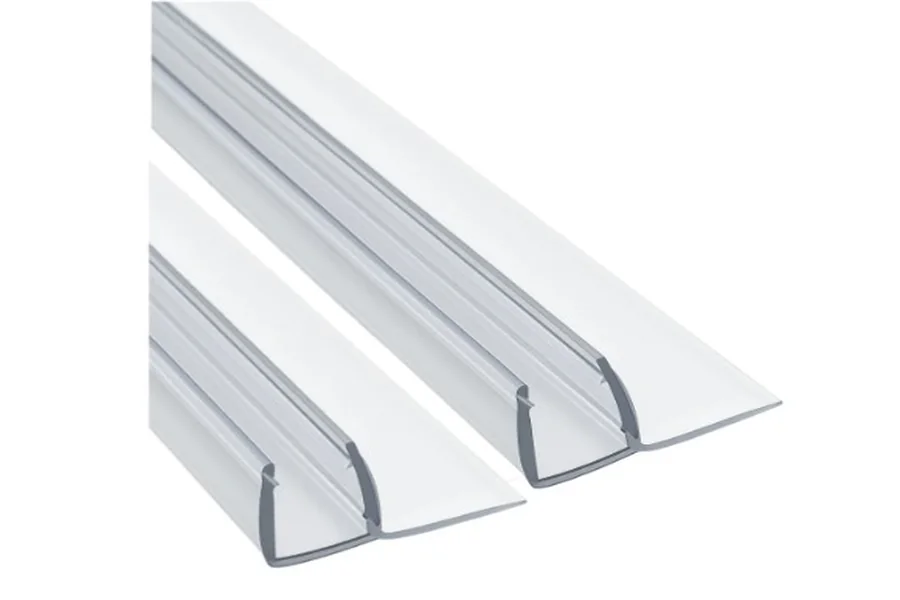
In the case of keeping your bathroom intact and making your shower door last longer, shower door seals are important. These basic but necessary parts are supposed to hold water within the shower space so that there are no leakages and the bathroom has a clean and dry environment. This guide will cover the various types of seals for shower doors, what they do, how to select the best one that will suit your needs and the fantastic customer service you will receive when you order your seals through Shower Outlet.
Understanding the Importance of Shower Door Seals
Seals for shower doors may appear as a minor and unimportant element of your bathroom, yet it is one of the most crucial ones to stop water leaks. These seals make the shower enclosure watertight so that no water would spill to the floor of the bathroom. A good seal is needed to avoid the possibility of water leaking out and damaging the floor, the walls and even causing mold.
Also, seals help increase the energy efficiency of your bathroom since they keep the temperature within the shower enclosure consistent and lower the necessity of heating or cooling too much.
Types of Seals for Shower Doors
Shower doors have different kinds of seals that are meant to perform different functions and fit different types of shower doors. Some of the most popular types of seals on shower doors are listed below:
1. Magnetic Seals
The frameless shower doors frequently use magnetic shower door seals. They are fitted with magnetic strips in the rubber material and this enables the doors to close tightly and seal tightly. The use of magnetic seals can be viable in preventing leakages of water through the opening between the two parts of a bi-fold or sliding shower door.
2. Rubber Seals
The most prevalent form of seals that are applied on shower doors is a rubber seal. These seals are of different profiles such as flat, rounded, and U-shaped profiles, which fit in the channels of the door or the frame. Rubber seals are flexible, durable and they provide a tight, water-tight seal.
3. Silicone Seals
Frameless or semi frameless shower doors frequently use silicone seals. Silicone is water, mold, and mildew resistant which makes it best suited to be used in the bathroom. Such seals are normally used on the edges of the door and frame in order to block water leakage. Silicone seals also present greater flexibility and create an effective, long lasting barrier.
4. Sweep Seals
Sweep seals are normally fitted on the bottom of the shower door where the water can easily escape. The purpose of these seals is to sweep water back into the shower enclosure as the door is closed so that the water does not spill down on the floor. Sweep seals are particularly useful on sliding or bifold shower doors where the chance of water leakage is greater.
5. Dual-Action Seals
Dual-action seals are a hybrid of magnetic and rubber seals with a greater water-tightness capability. These are the most frequently applied seals in sliding shower doors and are made to seal well but also provide easy door movement. The dual action seal keeps the water within the shower enclosure and still keeps the door operational.
How to Choose the Right Seal for Your Shower Door
Selecting the right seal for your shower door can be a bit overwhelming given the variety of options available. Here are some key factors to consider when making your choice:
1. Door Type and Style
The kind of shower door that you possess is an important aspect in defining the kind of seal that will suit you best. As an example, a framed shower door may need a different style seal than a frameless or sliding shower door. Ensure that you select a seal that can fit your door design and installation needs.
2. Material Durability
The composition of the seal is very important in its durability and performance. Silicone and rubber seals are durable and cannot be worn out. Silicone seals, especially, resist mold, mildew, and strong cleaning chemicals, so they are best suited to damp locations, such as bathrooms.
3. Size and Fit
The size of the seal must be selected in order to fit well. Measure the height and the width of the door frame or where the edges of the door the seal will be attached. An undersized seal will not give sufficient protection and an oversized seal can lead to the misalignment of the door or failure of the door to close effectively.
4. Installation Method
Consider the installation method of the seal. There are adhesive backed seals, and those that fit in grooves or channels along the edge of the door. Adhesive-backed seals may be a good alternative in case you want an easy, no-mess installation. But to have a more secure and permanent installation seals fitting into existing channels may be more desirable.
5. Water Resistance and Flexibility
Select a seal that is water-tight and yet, flexible to allow the movement of the door. Silicone seals are the best in this sense because they are highly water resistant and can bend without cracking and/or deforming with time.
Support and Selection Assistance from Shower Outlet

We are proud to provide outstanding service to you through your entire purchasing experience at Shower Outlet. In choosing the appropriate shower doors seals, we make the process smooth and simple by offering professional advice that will suit you.
As soon as you enter our site, our customer service department is willing to help you make a wise choice. We will provide complete guidance depending on the style of the shower door, size, and other unique needs. Be it a replacement of an aged seal or a new seal, our staff will offer you personalized advice that will help you choose the right shower seal.
After you have received our guidance it is easy to select the precise part you need. Our site is user friendly and you can easily maneuver through the extensive range of shower seals. The specifications, detailed product descriptions, and quality pictures guarantee that you can select the part that you need with confidence.
We do not compromise on the quality of the product. Our shower seals are all of the best brands available, and are manufactured of waterproof, durable materials. Choose between rubber seals, silicone seals or magnetic seals and be assured that you will get products with long life and maximum performance.
As far as delivery is concerned, we are oriented towards speed and quality. Once the order is placed, we guarantee that it is shipped in time and reaches on time. Our streamlined delivery network will make sure that your shower seals will arrive in great condition and just in time to be installed.
Common Issues with Shower Door Seals
Over a period of time, shower door seals are likely to crack due to the normal water, heat, and cleaners. The following are some of the typical problems that homeowners will face when using shower door seals:
1. Wear and Tear
Shower door seals can become worn out (with frequent use) and no longer create a tight seal. It may result in cracking, tearing, or hardening of the material itself, which causes water leakage and the possibility of damaging the surrounding area. You need to check your seals regularly to see whether they are worn out and replace them when they become worn.
2. Mold and Mildew Growth
Shower doors are just like any other area that supports mold and mildew growth because of its moisture. In case your seals are damaged or impaired, water can collect in the cracks and act as a breeding place of mold and mildew. To avoid this, select mold-resistant seals, e.g., silicone, and make sure you have good bathroom ventilation.
3. Misalignment
Failure to place the shower door seal in the correct position may cause it not to seal effectively resulting in water leakage. Make sure that the door is installed correctly and the seal is seated well in the place. Regular maintenance can help avoid misalignment issues.
Maintaining Your Shower Door Seals
With the right care of your shower door seals, you can even extend their life to a great extent and ensure the doors of your showers work efficiently. Here are some tips for maintaining your seals:
1. Regular Cleaning
Clean your shower door seals regularly to eliminate the build up of soap scum, mould and mildew. Apply mild cleaning solution and use a soft cloth or sponge and scratch the seals. Avoid harsh chemicals that could damage the material.
2. Inspect for Damage
Inspect your seals on a regular basis to ensure that they are not damaged (cracked, torn, or hardened). As soon as you identify any problems, you should change the seals in order to avoid leakage of water and any other damages to your bathroom.
3. Keep the Bathroom Ventilated
Ventilation also keeps the humidity at the lowest level and avoids mold and mildew development. Keep the bathroom well-ventilated with the use of an exhaust fan or by opening a window during and after a shower.
Conclusion
Selecting the proper seals on shower doors is a key component in having a dry, clean, and safe bathroom. Knowing the types of seals available, looking at the design of your door, and maintaining it properly will allow you to have a functioning and water-tight shower enclosure many years down the line.
Shower Outlet offers quality products, professional guidance, a simple product selection procedure, and fast delivery, making your experience with us effortless, efficient and satisfactory at every stage.