
Why Fluoride Treatments Protect Against Generational Cavity Risks
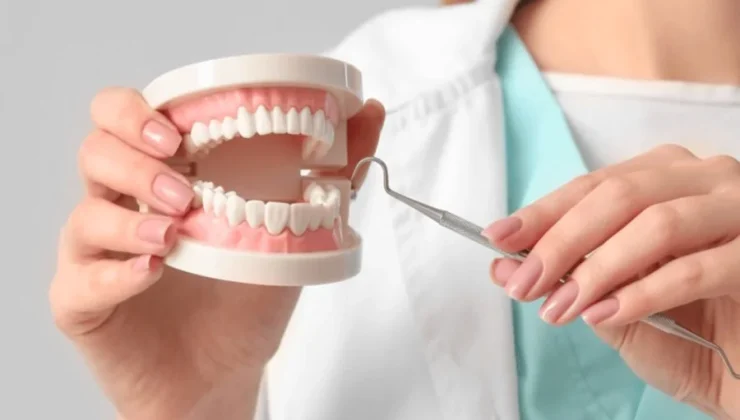
Cavities do not stop with you. They often pass from parent to child through shared habits, shared bacteria, and shared stress. You might feel guilty when your child has a cavity. You might even blame your own teeth. You do not need to stay stuck in that fear. Fluoride treatments give you a simple way to break that pattern. They make tooth enamel stronger so acid and sugar do less damage over time. They also slow early decay so small weak spots do not turn into deep holes. A Vancouver dentist can use fluoride to protect both you and your child during routine visits. This protection matters most when money is tight, food choices are limited, or brushing is rushed. You cannot control everything your child faces. You can still cut the risk of a lifelong fight with cavities.
How Cavities Become A Family Pattern
Cavities spread through three simple paths. You share mouth bacteria with your child. You pass on daily habits. You pass on money stress and time pressure.
You share bacteria when you taste food with the same spoon, clean a pacifier with your mouth, or share drinks. These bacteria help start decay on weak tooth surfaces. You also pass on habits. If you skip brushing at night, your child often learns that pattern. If you keep sweet drinks in reach, your child copies that too. Finally, money stress shapes what you buy. Cheap snacks, long work hours, and fewer dental visits all raise cavity risk.
This mix can make cavities feel like a family curse. Fluoride breaks that chain at the tooth level. It gives each tooth a stronger shield, even when life feels rough.
What Fluoride Does To Teeth
Fluoride works in three clear ways. It rebuilds weak spots. It hardens fresh enamel. It slows the germs that help cause decay.
- You swallow low levels in water or toothpaste and it helps growing teeth form harder surfaces.
- You get it on the surface through toothpaste, mouth rinse, or dental varnish and it pulls minerals back into soft spots.
- You keep it in your mouth in small amounts all day and it keeps acid damage from going as deep.
Public health experts have tracked this for many years. Community water fluoridation cuts tooth decay in children and adults by about 25 percent on average, according to the U.S. Centers for Disease Control and Prevention.
Why Children Face Higher Cavity Risk
Children carry special risks that stack fast. Baby teeth have thinner enamel. Eating and snacking patterns are uneven. Brushing depends on your time and energy.
Three common problems raise risk for children.
- Frequent sipping on juice or sweet drinks during the day
- Bedtime bottles with milk or sweet drinks
- Limited brushing help from adults
Fluoride treatments at regular checkups give those weaker teeth extra strength. They help even when home care is not perfect.
Professional Fluoride Treatments Versus Home Fluoride
You can get fluoride from two main sources. You can get it at home. You can get it during dental visits. Both matter. They work best together.
| Type | Where You Get It | How Often | Main Strength | Best Use
|
|---|---|---|---|---|
| Fluoride toothpaste | Home brushing | Twice daily | Steady daily protection | All children and adults |
| Fluoride mouth rinse | Home rinsing | Daily or weekly | Extra help for high risk | Older children who can spit |
| Fluoride varnish or gel | Dental visit | Every 3 to 12 months | Strong, focused dose | Young children and high risk adults |
| Fluoridated water | Community water supply | Daily use | Background support | Whole family |
Professional treatments use a higher fluoride level than home products. The dentist or hygienist brushes a sticky varnish or gel on the teeth. It sets fast. You then avoid food for a short time. The fluoride soaks into the enamel and gives long lasting support.
Evidence That Fluoride Cuts Cavity Risk Across Generations
Decades of research in many countries show the same pattern. Families who use fluoride have fewer fillings, fewer extractions, and less pain. Children keep more healthy teeth into adulthood. Adults keep more teeth into older age. This gives a direct break in the family pattern of decay.
The National Institute of Dental and Craniofacial Research reports that children from low income homes have more than twice the rate of untreated cavities compared with higher income children. Strong fluoride exposure helps cut this gap.
When you choose fluoride treatments for yourself and your child, you change that story. You move from repeated fillings and infections to fewer problems across the years.
When Your Family Needs Extra Fluoride Protection
You and your child may need regular fluoride treatments if any of these fit.
- Past history of many cavities or fillings
- Dry mouth from medicine or health issues
- Limited access to fluoridated water
- High intake of sweet drinks or snacks
- Brushing less than twice daily
- Wearing braces or other appliances that trap food
In these cases, fluoride acts like sturdy armor. It does not remove the need to brush or floss. It does make each slip less harmful.
How To Use Fluoride Safely At Home
You can keep use simple and safe with three steps.
- For children under three years, use a tiny smear of fluoride toothpaste about the size of a grain of rice.
- For children three to six years, use a pea sized amount and help with brushing.
- For older children and adults, use a thin strip and spit out the foam. Do not swallow it.
Keep all toothpaste and rinses out of reach of young children. Supervise brushing until at least age seven or eight. Ask your dentist before using any extra fluoride rinses for young children.
Breaking The Cavity Cycle For Your Child
You cannot change the teeth you grew up with. You can change the path for your child. You can keep three simple goals in mind.
- Brush twice a day with fluoride toothpaste
- Limit sweet drinks and snacks between meals
- Schedule regular checkups with fluoride treatments as advised
Each step adds power to the next. Together, they cut cavity risk now and for many years. With steady fluoride use, your child can grow up with fewer fillings, less fear of the dental chair, and more control over their own health. That is how you end generational cavity risks and replace them with stronger smiles across your family line.