
Why Preventive Dentistry Is Essential For A Balanced, Beautiful Smile
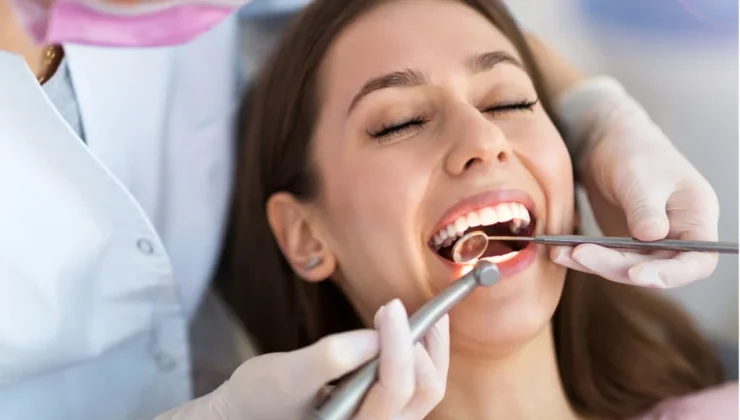
Your smile affects how you eat, speak, and connect with people every day. Yet many problems start quietly, long before you feel pain. Preventive dentistry stops trouble early. It protects your teeth, gums, and confidence. You get less decay, fewer broken teeth, and lower costs over time. You also feel more control over your health. Regular cleanings, simple home care, and honest talks with your East Orlando dentist work together. They uncover small changes before they grow into emergencies. Routine care is more effective after treatment, too. It keeps fillings, crowns, and implants working longer. This blog explains how checkups, cleanings, X rays, and home habits support a balanced, beautiful smile. It shows what to expect at visits and how to prepare. It also helps you know when to speak up about pain, fear, or money worries so you do not feel alone.
What Preventive Dentistry Really Means
Preventive dentistry is simple. You and your dentist work together to stop problems before they start. You use daily habits at home. Your dentist uses tools and training at visits.
Core parts of preventive care include:
- Regular checkups and cleanings
- Fluoride use and sealants when needed
- Daily brushing and flossing
- Healthy food choices and drinks
- Early care for grinding, clenching, or jaw pain
The goal is clear. You keep your natural teeth as long as possible. You also avoid sudden pain that can shake your sense of safety.
How Prevention Protects Your Health And Wallet
Tooth decay and gum disease do not only stay in your mouth. They can affect eating, sleep, school, and work. The Centers for Disease Control and Prevention explains that untreated cavities and gum disease can cause pain, infection, and trouble with daily tasks.
Prevention costs less than treatment. A short visit for cleaning and an exam is far cheaper than a root canal or an emergency visit. Early care also means fewer missed school days for children and fewer missed workdays for adults.
Here is a simple comparison that shows how prevention stacks up against “wait and see.” Costs are estimates and can vary, yet the pattern stays the same.
| Type of visit or treatment | Typical reason | Relative cost | Impact on comfort and time
|
|---|---|---|---|
| Checkup and cleaning | Routine prevention | Low | Short visit. Little to no discomfort. |
| Small filling | Early cavity found at checkup | Moderate | One visit. Mild soreness for a short time. |
| Root canal and crown | Deep decay or cracked tooth after delay | High | Several visits. Strong pain before care. |
| Tooth removal and replacement | Tooth cannot be saved | Very high | Healing time. Change in chewing and speech. |
You do not control every problem. You do control how early someone spots it. That choice lowers stress and shock when trouble appears.
The Link Between Oral Health And Whole Body Health
Your mouth is part of your body. Gum disease links to heart disease, diabetes, and pregnancy problems. Bacteria from the mouth can move into the blood. Inflammation in the gums can strain the immune system.
The National Institute of Dental and Craniofacial Research gives clear facts on how oral health connects with general health.
When you keep your mouth clean and cared for, you support your heart, blood sugar control, and breathing. You also feel more willing to smile, laugh, and join others, which supports mental health.
What To Expect At A Preventive Visit
Fear of the unknown keeps many people away. You deserve to know what will happen at a visit so you can feel steady and prepared.
A routine preventive visit often includes:
- Review of your health history and medicines
- Talk about any pain, fear, or past bad experiences
- Check of teeth, gums, tongue, and cheeks
- X rays when needed to see between teeth and under fillings
- Cleaning to remove plaque and tartar
- Polishing to smooth tooth surfaces
- Fluoride treatment for extra strength if needed
- Time for questions about cost, timing, and home care
You stay in control. You can ask for breaks. You can ask what each tool does. You can ask for numbing gel or other comfort steps if you feel tense.
Daily Habits That Protect Your Smile
Your choices at home shape your smile more than any office visit. You do not need special products or complex routines. You need steady habits.
Three core steps are:
- Brush twice a day with fluoride toothpaste for two minutes
- Clean between teeth once a day with floss or another tool
- Limit sugary snacks and drinks to mealtimes
You can add:
- Plain water after meals and snacks
- Mouthguard use if you grind, clench, or play contact sports
- No tobacco use, including vaping products
These small choices protect your teeth, freshen breath, and support gum health. They also teach children in your home that care and respect for the body start with daily steps, not quick fixes.
Helping Children Build Strong Smiles Early
Children need prevention even when baby teeth will fall out. Decay in baby teeth can cause pain, infection, and trouble with speech and chewing. It can also affect how adult teeth grow in.
Key tips for children include:
- Schedule the first dental visit by age one or when the first tooth appears
- Use a tiny smear of fluoride toothpaste for children under three
- Use a pea sized amount of fluoride toothpaste for children three and older
- Limit juice and sweet drinks. Offer water and milk more often.
- Avoid sending a child to bed with a bottle that has anything other than water.
You can sit close, hold a hand, or bring a comfort item during visits. You also set the tone. If you speak calmly about the visit, your child is more likely to feel safe.
Overcoming Fear, Shame, Or Money Worries
Many people stay away from the dentist because of fear, shame, or cost. You might feel judged about how your teeth look. You might feel trapped by past pain. You might fear a bill that you cannot pay.
You are not alone. You deserve care without blame. You can tell your dentist:
- “I feel scared.”
- “Please explain each step before you do it.”
- “I need to know costs before we start.”
Many offices offer payment plans or low cost options. Community health centers and dental schools can also offer reduced fee care. Asking for help is a sign of strength, not failure.
Taking The Next Step Toward A Balanced, Beautiful Smile
Preventive dentistry is not about perfect teeth. It is about steady care, early action, and respect for your body. You protect your smile. You protect your time, money, and peace of mind.
Next steps can be simple:
- Call and schedule a checkup if it has been more than six months.
- Set a reminder to brush and floss at the same times each day.
- Write down any questions or fears before your visit.
You deserve a balanced, beautiful smile that lets you eat, speak, and laugh without worry. Preventive care helps you keep that smile for years.